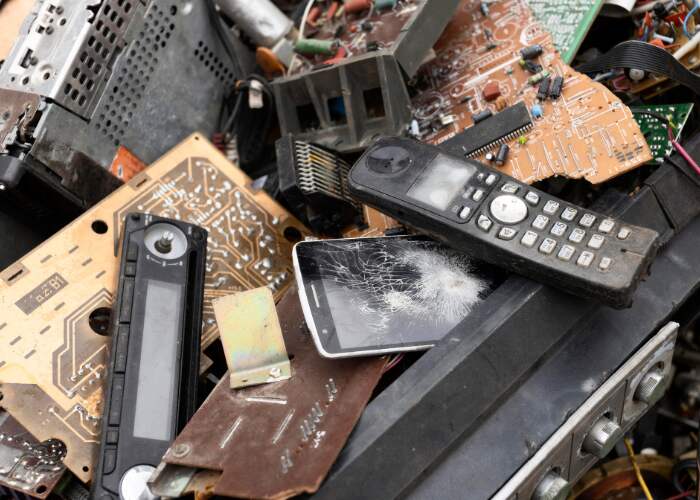
As technology continues to evolve, electronic devices are being replaced faster than ever before. Smartphones, laptops, desktop computers, tablets, televisions, printers, networking equipment, and household appliances are becoming obsolete within just a few years. While technological innovation has improved our daily lives, it has also created one of the world’s fastest-growing environmental challenges—electronic waste (e-waste).
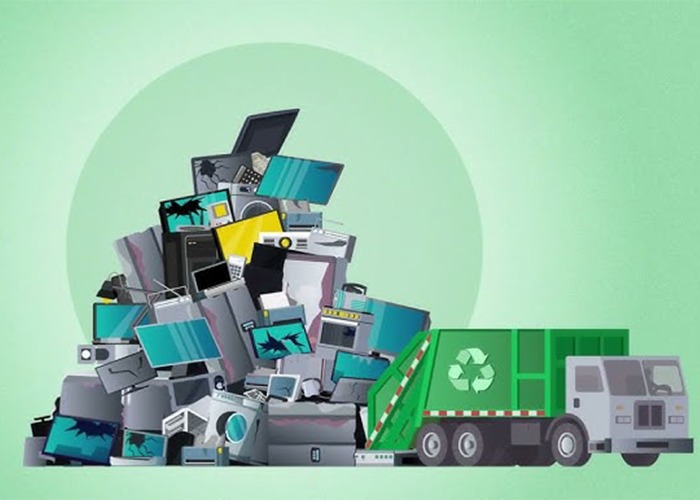
In 2026, the volume of discarded electronic devices continues to rise across households, businesses, educational institutions, healthcare facilities, and industrial sectors. Unfortunately, a significant portion of this electronic waste still ends up in landfills or is disposed of improperly, releasing hazardous substances into the environment and wasting valuable recyclable materials.
Responsible electronics recycling is no longer just an environmental responsibility—it is an essential part of sustainable living, regulatory compliance, corporate responsibility, and resource conservation. Whether you are an individual upgrading your devices or a business replacing IT infrastructure, choosing a certified e-waste recycling service helps protect both the planet and sensitive data.
At E-Waste Recycle Hub, we believe that every discarded electronic device represents an opportunity to recover valuable resources, reduce pollution, and contribute to a cleaner, more sustainable future.
What Is E-Waste?
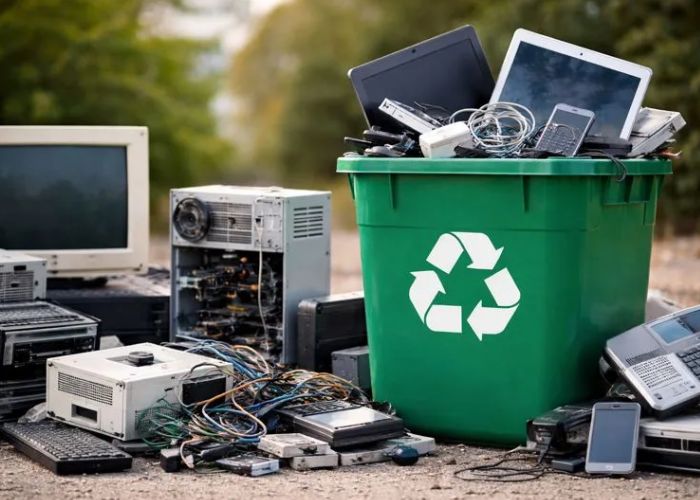
Electronic waste, commonly known as e-waste, refers to any unwanted, obsolete, broken, or end-of-life electrical or electronic equipment that is discarded by consumers or businesses.
Common examples include:
- Desktop Computers
- Laptops
- Mobile Phones
- Tablets
- Computer Servers
- Hard Drives
- Printers & Scanners
- Monitors
- Televisions
- Network Equipment
- Batteries
- Cables & Accessories
- UPS Systems
- Routers & Switches
- Small Household Electronics
Many people assume that throwing old electronics into the regular trash is harmless. In reality, electronic devices contain hazardous materials such as lead, mercury, cadmium, brominated flame retardants, and lithium, which can contaminate soil, groundwater, and air if not handled correctly.
At the same time, these devices also contain valuable materials like:
- Gold
- Silver
- Copper
- Aluminum
- Palladium
- Platinum
- Rare Earth Elements
Recovering these materials through professional electronic waste recycling reduces the need for new mining, conserves natural resources, and supports the global circular economy.
Why Is the E-Waste Crisis Growing in 2026?
The e-waste problem has intensified over the past decade due to several technological and consumer trends.
1. Faster Technology Upgrades
Manufacturers release new smartphones, laptops, gaming consoles, and electronic gadgets every year. Consumers and businesses frequently replace perfectly functional devices to keep up with performance improvements, software compatibility, and security updates.
This rapid upgrade cycle significantly increases the amount of discarded electronics entering the waste stream.
2. Remote Work and Hybrid Offices
Since remote and hybrid work became mainstream, businesses have invested heavily in IT equipment, including laptops, monitors, webcams, networking devices, and communication systems.
As organizations refresh their technology infrastructure, older equipment requires secure and environmentally responsible disposal.
Professional IT asset disposition (ITAD) and electronics recycling services help businesses recycle equipment safely while ensuring confidential business data is permanently destroyed.
3. Smart Homes and IoT Devices
Modern homes now contain dozens of connected devices, including:
- Smart TVs
- Smart Speakers
- Wi-Fi Routers
- Security Cameras
- Smart Thermostats
- Wearable Devices
- Home Automation Systems
As these Internet of Things (IoT) products reach the end of their lifecycle, they contribute significantly to growing electronic waste volumes.
4. Increasing Battery Waste
Rechargeable lithium-ion batteries are now used in:
- Smartphones
- Electric Tools
- Laptops
- E-Bikes
- Electric Vehicles
- Power Banks
Improper battery disposal creates serious environmental and fire hazards. Dedicated battery recycling ensures valuable materials can be recovered safely while preventing contamination and reducing safety risks.
The Environmental Impact of Improper Electronics Disposal
Discarding electronic devices in general waste bins may seem convenient, but the long-term environmental consequences are severe.
Soil and Water Contamination
Hazardous substances inside electronic devices gradually leak into surrounding soil and groundwater. Toxic metals can persist in the environment for years, affecting ecosystems, agricultural land, and drinking water supplies.
Air Pollution
In some regions, electronic waste is burned to recover metals quickly. This unsafe practice releases harmful chemicals and toxic emissions into the atmosphere, contributing to poor air quality and health risks for nearby communities.
Loss of Valuable Resources
Every discarded laptop, computer, or smartphone contains recyclable metals and components that can be recovered and reused. When electronics are sent to landfill instead of a certified recycling facility, these valuable resources are permanently lost, increasing the demand for energy-intensive mining and raw material extraction.
Higher Carbon Footprint
Manufacturing new electronic devices requires significant amounts of energy, water, and raw materials. By extending the lifecycle of electronics through refurbishment, reuse, and responsible recycling, businesses and consumers can reduce greenhouse gas emissions and support global sustainability goals.
Why Responsible Electronics Recycling Matters More Than Ever
Responsible electronics recycling is about much more than waste disposal. It plays a vital role in protecting natural resources, reducing landfill waste, improving environmental sustainability, supporting the circular economy, and ensuring secure data destruction for businesses and individuals alike.
Choosing a trusted recycling partner helps recover reusable materials, minimize environmental impact, and ensure electronic devices are processed in accordance with environmental regulations and industry best practices.
Benefits of Certified E-Waste Recycling
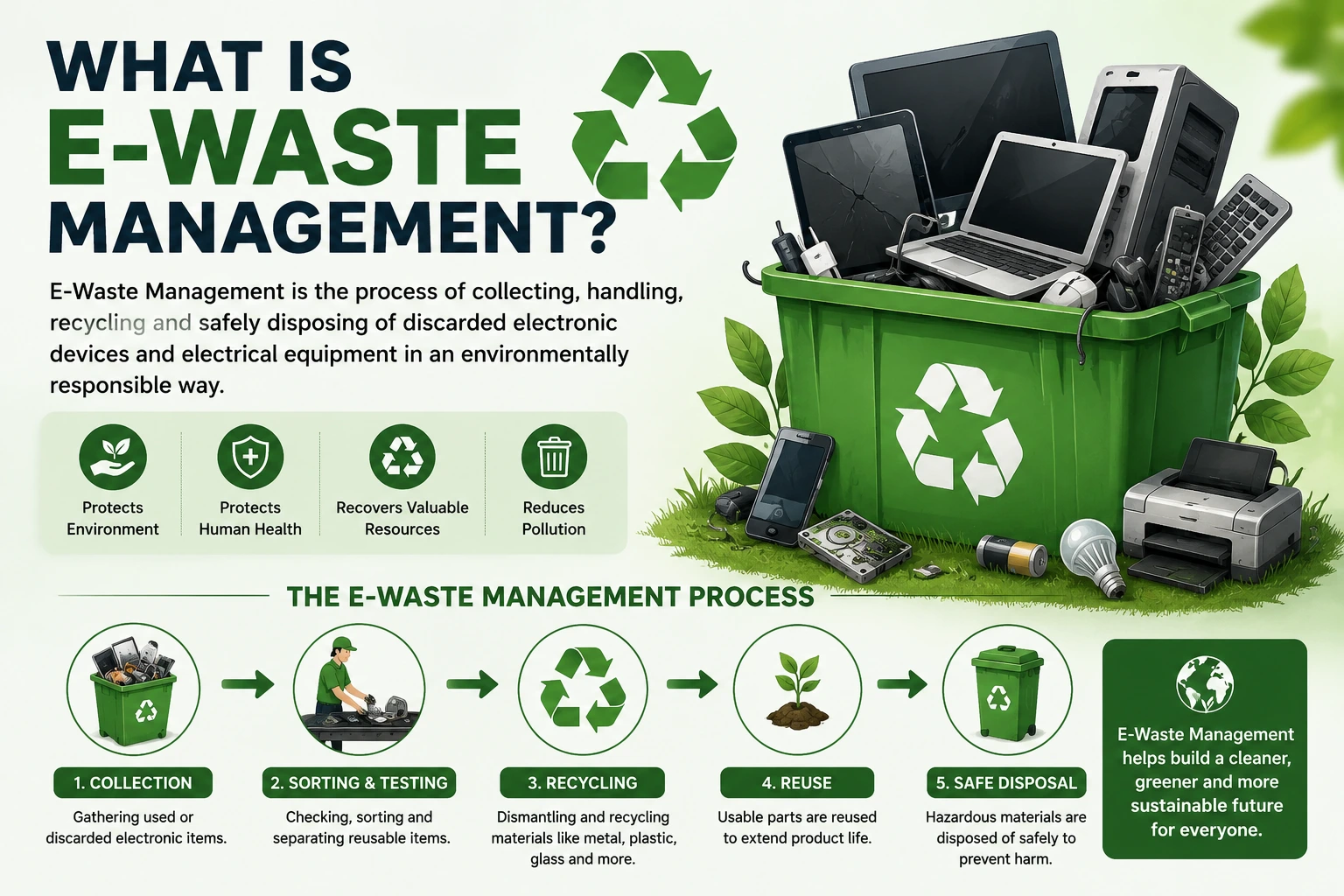
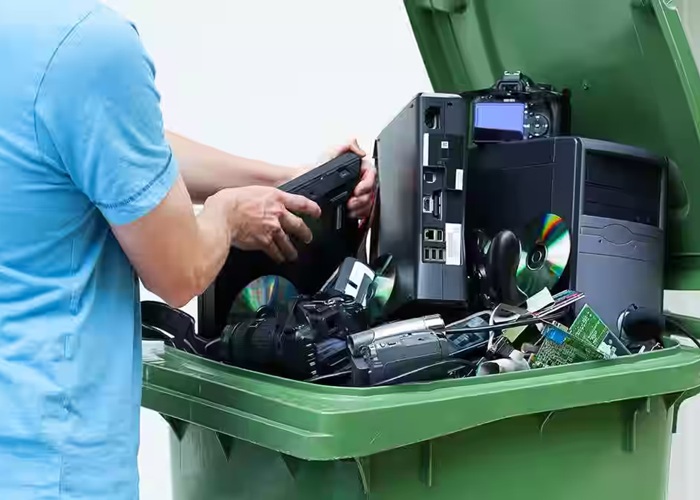
Choosing a certified electronics recycling company ensures that your unwanted devices are handled responsibly, securely, and in compliance with environmental regulations. Instead of ending up in landfills, electronic products are sorted, dismantled, refurbished where possible, and recycled using environmentally safe processes.
1. Protects the Environment
Every electronic device recycled correctly helps reduce landfill waste, prevent hazardous chemicals from polluting ecosystems, and conserve valuable natural resources. Recycling also lowers greenhouse gas emissions by reducing the demand for virgin raw materials and energy-intensive mining.
2. Conserves Valuable Resources
Electronic devices contain precious and reusable materials, including gold, silver, copper, aluminum, palladium, and rare earth elements. Through responsible recycling, these resources are recovered and reintroduced into manufacturing, supporting a more sustainable circular economy.
3. Ensures Secure Data Destruction
Old laptops, desktops, servers, mobile phones, and hard drives often contain sensitive personal or business information. Simply deleting files is not enough to protect confidential data.
Professional secure data destruction services permanently erase or physically destroy storage media, helping individuals and organizations safeguard sensitive information and reduce the risk of data breaches.
4. Supports ESG and Sustainability Goals
Many organizations are prioritizing Environmental, Social, and Governance (ESG) initiatives. Responsible electronic waste management demonstrates a commitment to sustainability, resource conservation, and environmental responsibility while supporting corporate social responsibility (CSR) objectives.
5. Promotes Reuse Before Recycling
Not every electronic device needs to be dismantled immediately. Functional equipment can often be refurbished, repaired, or donated for reuse, extending its lifecycle and reducing unnecessary waste.
Business E-Waste Recycling: A Smart Investment
Businesses generate large volumes of obsolete IT equipment through regular technology upgrades. This includes computers, laptops, servers, networking equipment, monitors, printers, and storage devices.
Partnering with a trusted business e-waste recycling provider offers several advantages:
- Safe disposal of outdated electronics
- Secure destruction of confidential business data
- Environmentally compliant recycling processes
- Reduced storage of obsolete equipment
- Improved sustainability reporting
- Support for ESG and corporate environmental goals
Whether you’re a small business or a large enterprise, implementing a structured IT asset disposition (ITAD) strategy ensures obsolete technology is managed responsibly from collection to final recycling.
The Future of Electronics Recycling
The future of electronics recycling is closely tied to innovation, sustainability, and the global shift toward a circular economy. Governments, manufacturers, and consumers are increasingly recognizing the importance of designing products that are easier to repair, upgrade, and recycle.
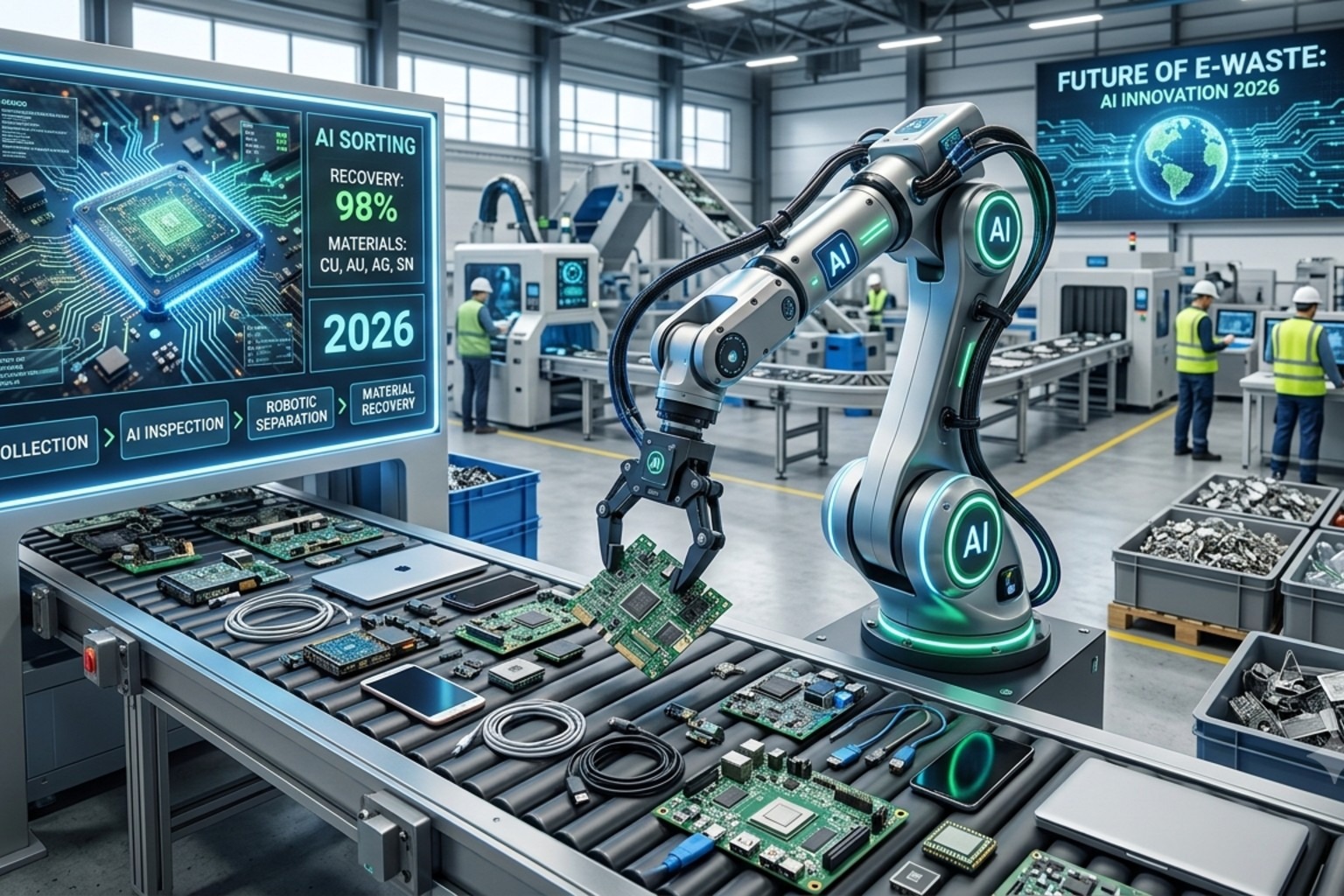
Emerging technologies such as AI-powered material sorting, robotics, and advanced metal recovery systems are improving recycling efficiency and maximizing resource recovery. At the same time, businesses are adopting greener procurement practices and extending the lifespan of IT assets through refurbishment and responsible reuse.
As environmental regulations become more stringent, responsible e-waste recycling will continue to play a crucial role in reducing pollution, conserving finite resources, and minimizing the environmental impact of rapidly evolving technology.
Why Choose E-Waste Recycle Hub?
At E-Waste Recycle Hub, we are committed to helping individuals, businesses, educational institutions, and organizations dispose of electronic waste responsibly.
Our commitment includes:
- Responsible electronics recycling solutions
- Environmentally sustainable recycling practices
- Secure data destruction services
- Business and corporate e-waste collection
- Safe handling of computers, laptops, servers, printers, and IT equipment
- Resource recovery and responsible material processing
- Customer-focused service with environmental responsibility at its core
Our mission is simple: reduce electronic waste, recover valuable resources, and create a cleaner, greener future through responsible recycling.
Final Thoughts
The growing e-waste crisis in 2026 is a reminder that every electronic device has an environmental impact long after its useful life ends. As technology continues to evolve, responsible disposal is no longer optional—it is essential.
Whether you’re replacing a single smartphone or upgrading an entire office’s IT infrastructure, choosing a reliable electronics recycling service ensures your devices are handled safely, valuable materials are recovered, and sensitive information is protected.
Every recycled computer, laptop, mobile phone, or server contributes to a healthier environment, reduces landfill waste, and supports a more sustainable future for generations to come.
By making responsible recycling a priority today, we can collectively reduce pollution, conserve natural resources, and move closer to a truly circular economy.
Ready to Recycle Your Old Electronics?
Don’t let outdated devices end up in landfill. Partner with E-Waste Recycle Hub for safe, secure, and environmentally responsible e-waste recycling solutions.
Whether you need to recycle computers, laptops, servers, mobile phones, batteries, or complete office IT equipment, our experienced team is here to help.
Contact E-Waste Recycle Hub today and take the first step toward responsible electronics recycling and a greener tomorrow.
Frequently Asked Questions
Q1. What is e-waste?
E-waste refers to discarded electronic and electrical devices such as computers, laptops, smartphones, printers, televisions, batteries, and other electronic equipment.
Q2. Why is e-waste recycling important?
It prevents environmental pollution, recovers valuable materials, reduces landfill waste, and supports sustainable resource management.
Q3. Can recycled electronics be reused?
Yes. Many devices can be refurbished, repaired, or reused before being recycled.
Q4. Is deleting files enough before recycling my computer?
No. Professional secure data destruction is recommended to permanently remove confidential information.
Q5. What materials are recovered from electronic waste?
Gold, silver, copper, aluminum, palladium, plastics, steel, and rare earth elements can all be recovered.
Q6. Can businesses recycle large volumes of IT equipment?
Yes. Businesses can recycle computers, servers, networking equipment, storage devices, and other electronic assets through professional recycling services.
Q7. Are batteries recyclable?
Yes. Lithium-ion, lead-acid, and many other battery types can be safely recycled through dedicated battery recycling programs.
Q8. How does electronics recycling help the environment?
It reduces pollution, conserves natural resources, lowers carbon emissions, and minimizes landfill waste.
Q9. What is IT Asset Disposition (ITAD)?
ITAD is the secure and environmentally responsible process of managing, refurbishing, and recycling obsolete IT equipment.
Q10. Why choose E-Waste Recycle Hub?
We provide responsible electronics recycling, secure data destruction, sustainable resource recovery, and reliable services for both individuals and businesses.
-

The Growing E-Waste Crisis in 2026: Why Responsible Electronics Recycling Is More Important Than Ever
August 3, 2026 -
AI-Powered E-Waste Recycling in 2026: How Smart Technology is Revolutionizing Electronic Waste Management
July 7, 2026 -
EPR CPCB E-Waste Revolution: How Responsible Recycling is Transforming India’s Green Future
June 15, 2026 -
Complete Guide to Safe Laptop, Mobile & Battery Disposal in India (2026)
June 3, 2026 -
What is E-Waste Management and Why is It Important?
May 6, 2026 -
EPR for E-Waste: Rules, Registration Process & Compliance Guide for Producers
March 3, 2026 -
The Growing Problem of Electronic Waste and the Need for Responsible Recycling
January 12, 2026 -
How Proper E-Waste Recycling Helps Protect the Environment and Human Health
December 16, 2025 -
E-Waste Management in India: Challenges, Solutions, and Future Scope
December 11, 2025 -
Secure Data Destruction: Protecting Your Privacy While Recycling
November 24, 2025 -
How Recycling E-Waste Management Helps Protect the Environment
November 6, 2025 -
Secure Computer Data Destruction: Everything You Need to Know
September 3, 2025 -
Top 10 Electronics You Didn’t Know You Could Recycle
August 26, 2025 -
EPR CPCB E-Waste: A Complete Guide to Responsible Electronics Recycling
August 19, 2025 -
Best IT Recycling Solutions for Businesses
August 12, 2025 -
2025 EPR Rules for E-Waste: How to Stay Compliant and Avoid Penalties
August 5, 2025 -
E-Waste Management: Solutions for Electric Waste Disposal
July 30, 2025 -
What Are The Ways To Efficiently Manage Commercial Waste For Businesses?
July 24, 2025 -
How to Fulfill Your E-Waste EPR Compliance in 2025
July 15, 2025 -
Corporate Responsibility: Implementing Sustainable E-Waste Management
May 28, 2024 -
Making Greener Choices: Exploring the Benefits of Refurbished Electronics
May 28, 2024 -
The Environmental Impact of E-Waste: Understanding the Need for Responsible Recycling
May 28, 2024 -
How to Properly Dispose of Your Old Electronics: A Step-by-Step Guide
May 27, 2024 -
E-Waste Recycling: A Step-by-Step Guide for Responsible Disposal
May 27, 2024