
The Rising Flood of Digital Debris
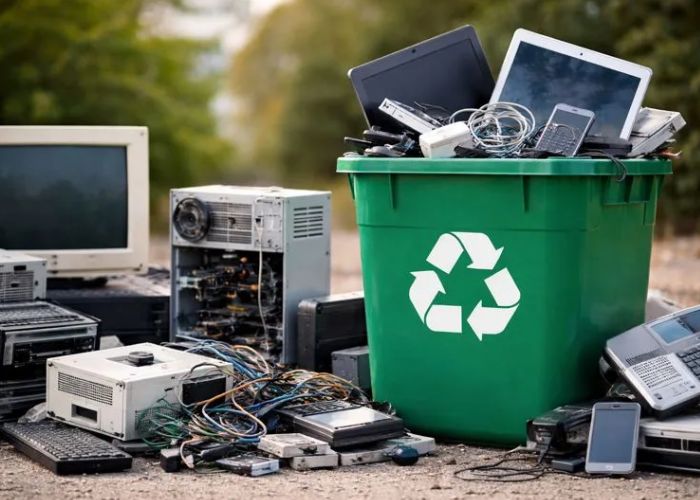
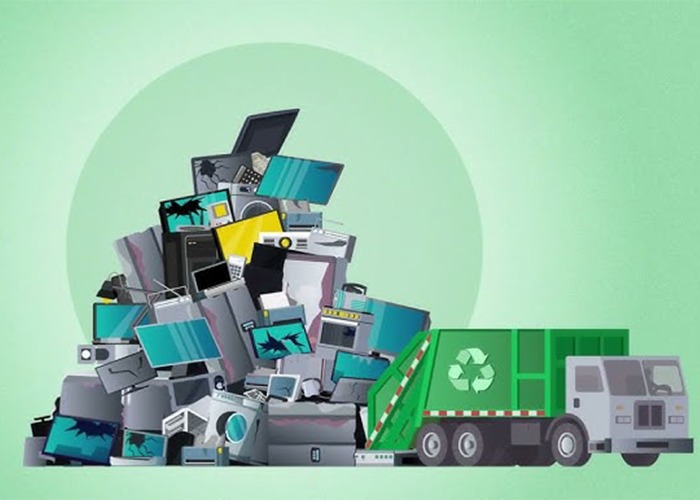
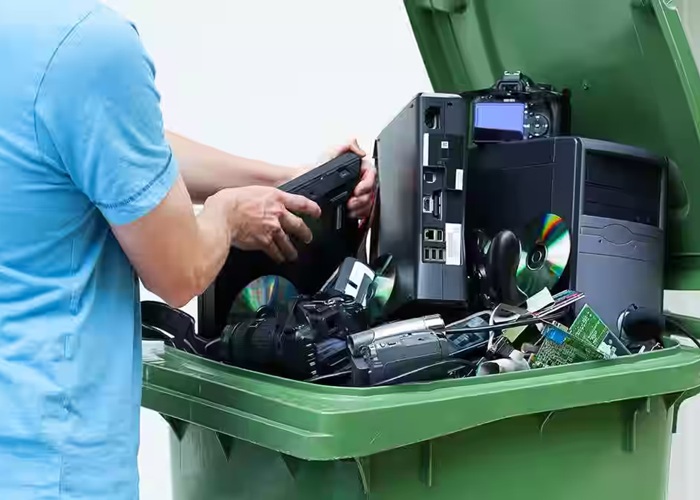
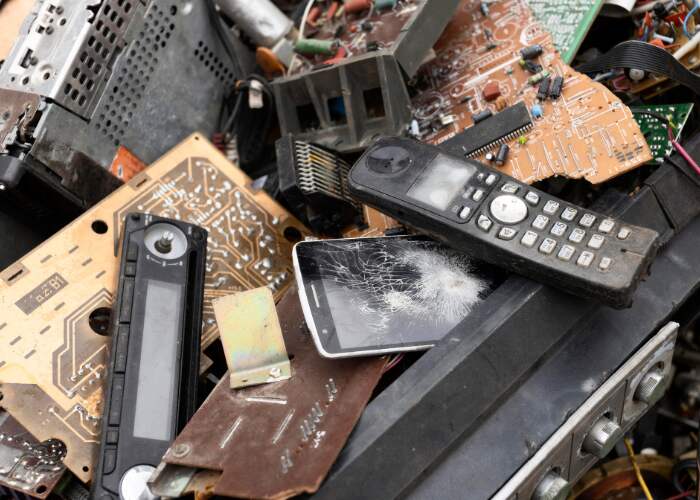
In today’s hyper-connected universe, the lifespan of electronic products is in freefall, resulting in a disturbing increase in e-waste. That stream is everything from smartphones and laptops to large household appliances. Without a comprehensive, professionally driven system for managing electrical waste on a global scale, that tsunami of gadgets represents far more than a nuisance — and not simple refuse so much as an intricate mixture of valuable materials and dangerous chemicals. The trajectory from a useful tool to an environmental hazard is entirely dependent on the model we implement to actually manage its end of life.
E-Waste Management and the Ecological Urgency
Electronic waste that is not properly discarded poisons the environment. When such discarded electronics end up in landfills or are incinerated, they produce a toxic cocktail of pollutants.
- Soil and Water Pollution: Heavy metals such as lead, mercury, and cadmium can seep into the water supply from broken-down appliances, poisoning groundwater and making soil infertile. This poisonous leakage finds its way into the food chain, affecting farming and wildlife.
- Air: Burning e-waste for metal recovery, often in unofficial settings, generates toxic gases such as dioxins and furans, which pollute the air, causing global warming.
- Depleting the resources: Minerals – Precious metals like gold, silver and copper are used in electronics. We must keep throwing them away to constantly draw virgin resources that are absolutely limited and nonrenewable, as well as very energy- and species-destructive.
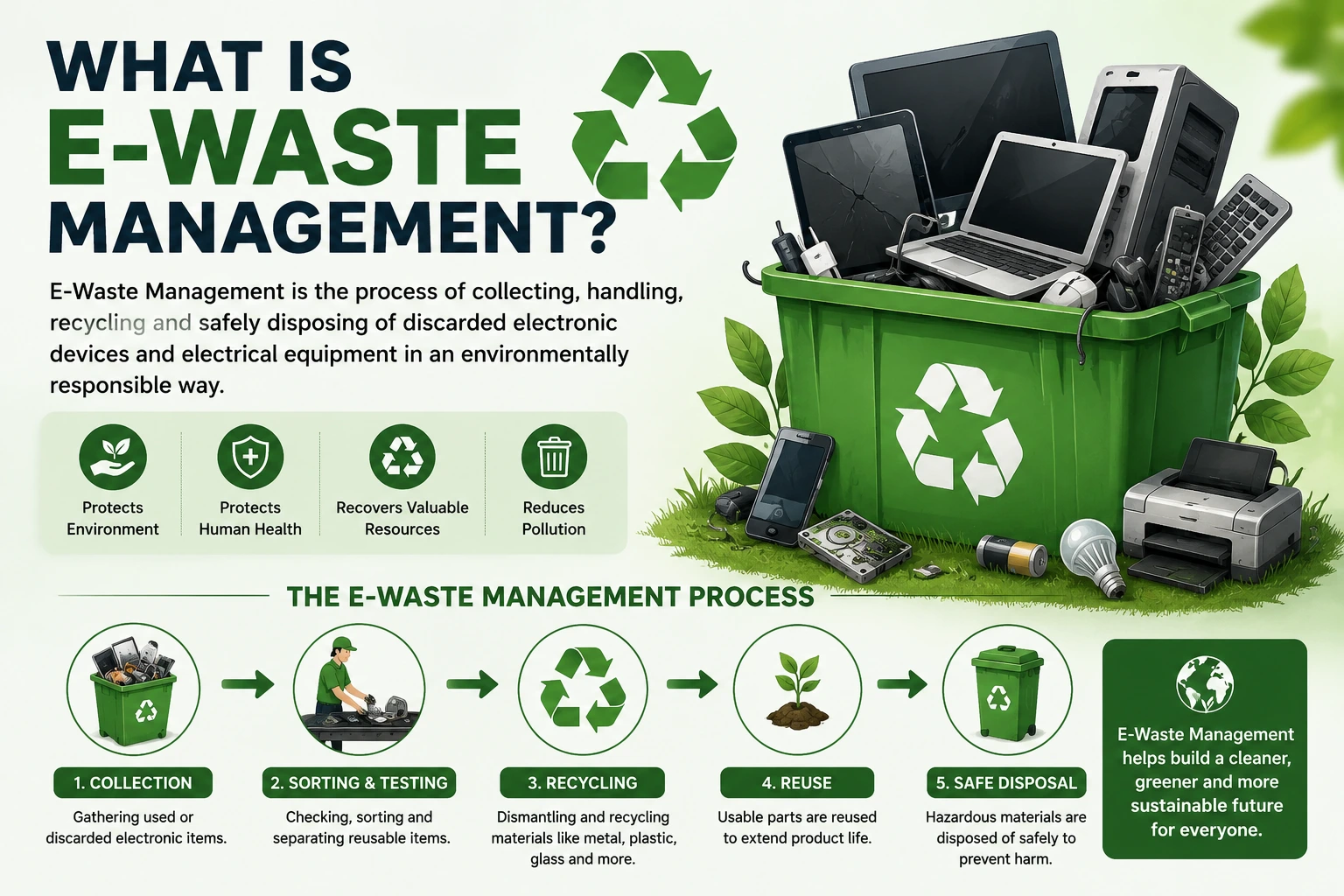
And the issue of e-waste cannot be tackled without an efficient system in place for managing it. It ensures that dangerous parts are kept under control and materials of value can be recovered to conserve natural resources and minimise the environmental impact of new goods.
Protecting Human Health Through Safe Recycling
Its impacts on human health due to informal e-waste processing are serious and alarming. Without proper means to manage e-waste responsibly, workers and communities are at risk.
- Direct Worker Exposure: Informal recyclers typically dismantle devices by hand, burn cables in the open air or use acid baths to extract metals without protective equipment. The result is a direct and unfiltered course into neurotoxins, carcinogens and respiratory irritants.
- Community Health Impacts: When toxins are released into the air or water or soil, they don’t stay still. They produce higher rates of chronic diseases in local populations, such as respiratory and neurological ailments, skin conditions and some cancers.
- Long-term developmental threats: Children are most at risk. Lead and mercury exposure is linked to permanent developmental harm, impairing both cognitive function and growth.
Regulated facilities use industrial processes that are designed to completely burn and melt e-waste so it has fewer negative effects on the workers, who all have to wear protective gear. Workers are shielded, poisons are confined in closed spaces, and instead the effort is to detoxify that waste stream so it contributes to a simpler release of end-of-the-pipe pollution both for workers and for communities.
The Indian Scenario: Prospects and Challenges of E-Waste Recycling
India, home to the world’s third-largest e-waste challenge, is an Indian-specific microcosm of the global issue, which is compounded by highly accelerated digital adoption and a huge informal sector working in recycling. India is one of the largest producers of e-waste in the world, and efficient management of electrical refuse is a pressing national concern.
- The Magnitude of the Problem: A huge volume of e-waste is still processed through a complex informal network, where such health and environmental risks are part of daily life. The paramount task is to channel this flow into the formal channel.
- Legal Framework: India has introduced the E-Waste (Management) Rules on Extended Producer Responsibility (EPR). This requires the manufacturer to be responsible for the collection and environmentally friendly disposal of service waste.
- Formal Infrastructure Built Up: An increasing number of companies have emerged as authorised recyclers and dismantlers in India. These facilities are making technology investments that enable them to process e-waste safely, recover valuable resources and dispose of hazardous residues in an environmentally sound manner.
- The Path Ahead: Success will require increased consumer awareness of disposal, stronger collection logistics, and stringent enforcement of EPR norms to create a truly circular economy for electronics.
Towards An Effective E-Waste Disposal System
A comprehensive e-waste management system is a multi-stakeholder approach which works at different levels to ensure effectiveness as well as safety.
- Design and Production (Upstream): This is the making end of things, starting with eco-design (products are made to be longer-lasting, easier to repair, and easier to take apart and recycle).
- Collection and Logistics (Midstream): Easy and frequent collection is key. This may include take-back systems, dedicated e-waste collection bins and awareness about not mixing e-waste with municipal solid waste.
- Processing and Recovery (Downstream): In formal recycling centres, it includes the following:
- Disassembly: Manual or automatic removal of parts.
- Shredding & Sorting: Separating – by means of magnets, eddy currents and infrared light – the materials such as the plastics from ferrous metals and non-ferrous metals.
- Refining: reclaiming clean, high-purity materials so they can be returned to the manufacturing process.
- Hazardous Waste Treatment: The term can be applied in treating materials such as CRT glass or mercury lamps for safe disposal.
Concluding Remarks:
An Endeavour for All in the Future Rendezvous. What has emerged from this collection is a host of ideas, innovations, and discoveries dedicated to mitigating our impact on the natural environment.
Preventing e-waste from harming our environment and health is not a job for one man. It is a shared responsibility. The commitment of the policy: Governments need to put in place and then follow through on strong policies. Producers need to design their products responsibly and finance the take-back of these products. The recycling industry also has to invest in clean, lean technology. But above all, the cycle starts with consumers choosing to dispose of their electronics responsibly, through approved channels. When we stand behind and insist upon responsible e-waste recycling as a whole, we invest in a cleaner, safer, more sustainable future where technology progresses alongside planetary and human health.
-

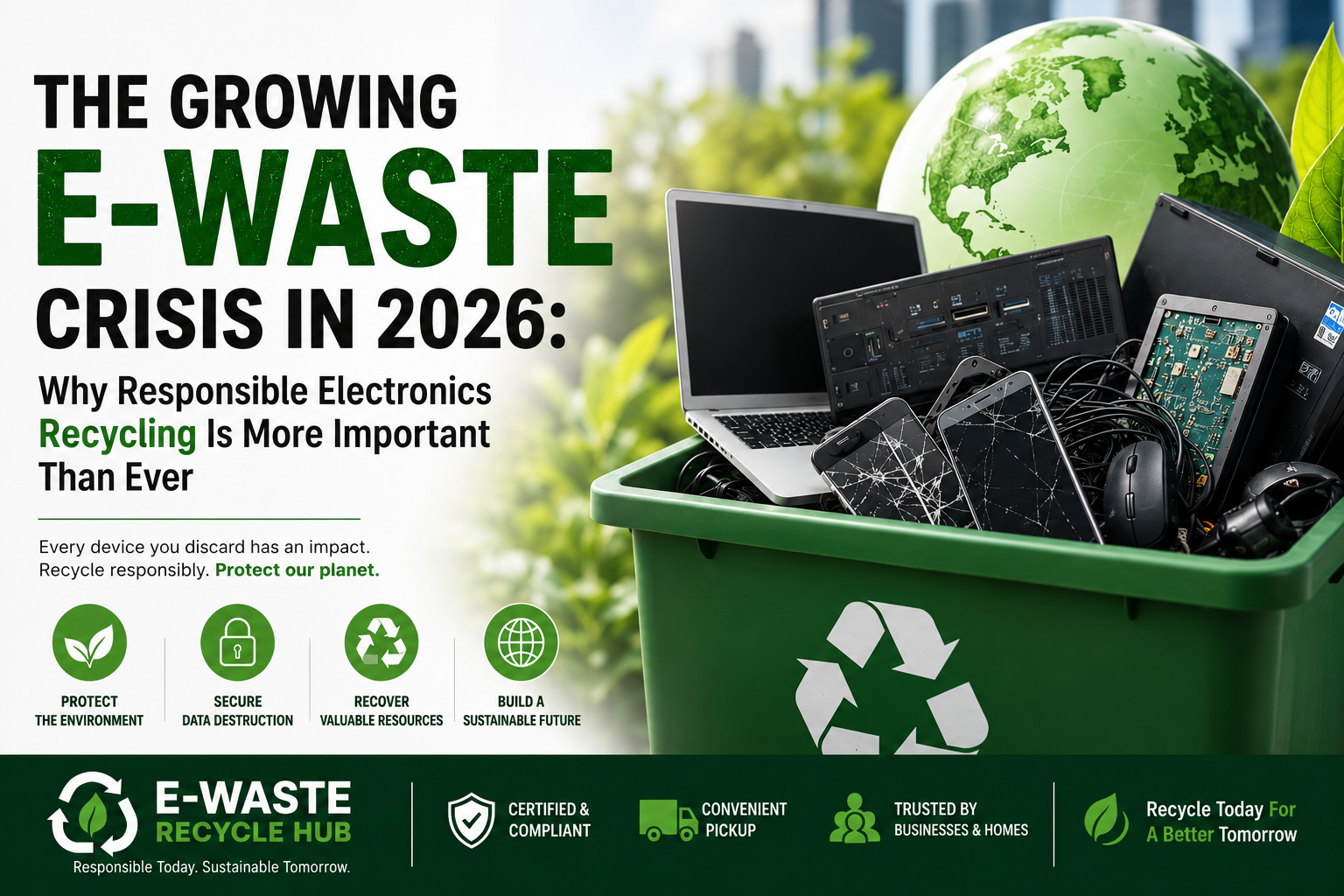
The Growing E-Waste Crisis in 2026: Why Responsible Electronics Recycling Is More Important Than Ever
August 3, 2026 -
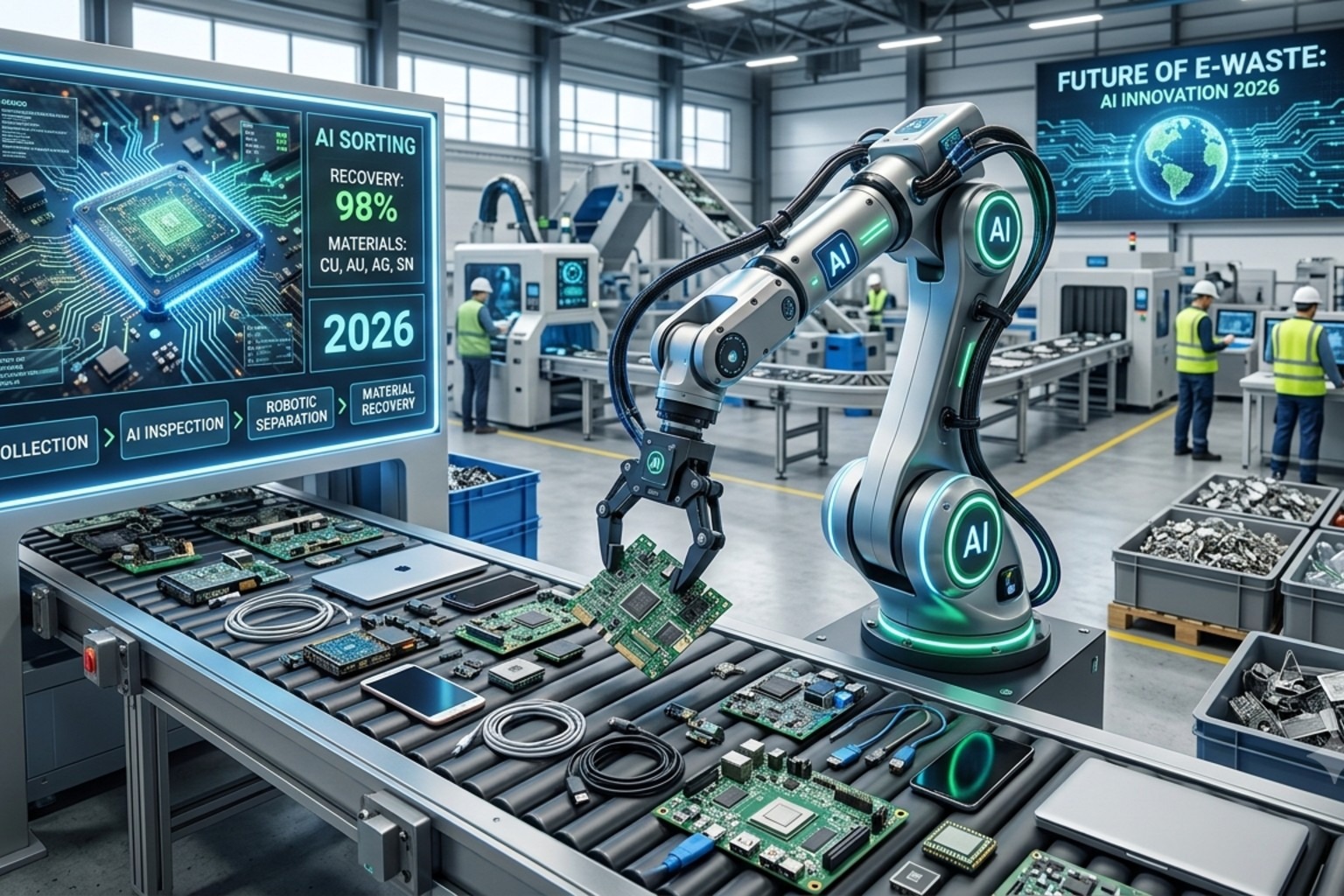
AI-Powered E-Waste Recycling in 2026: How Smart Technology is Revolutionizing Electronic Waste Management
July 7, 2026 -
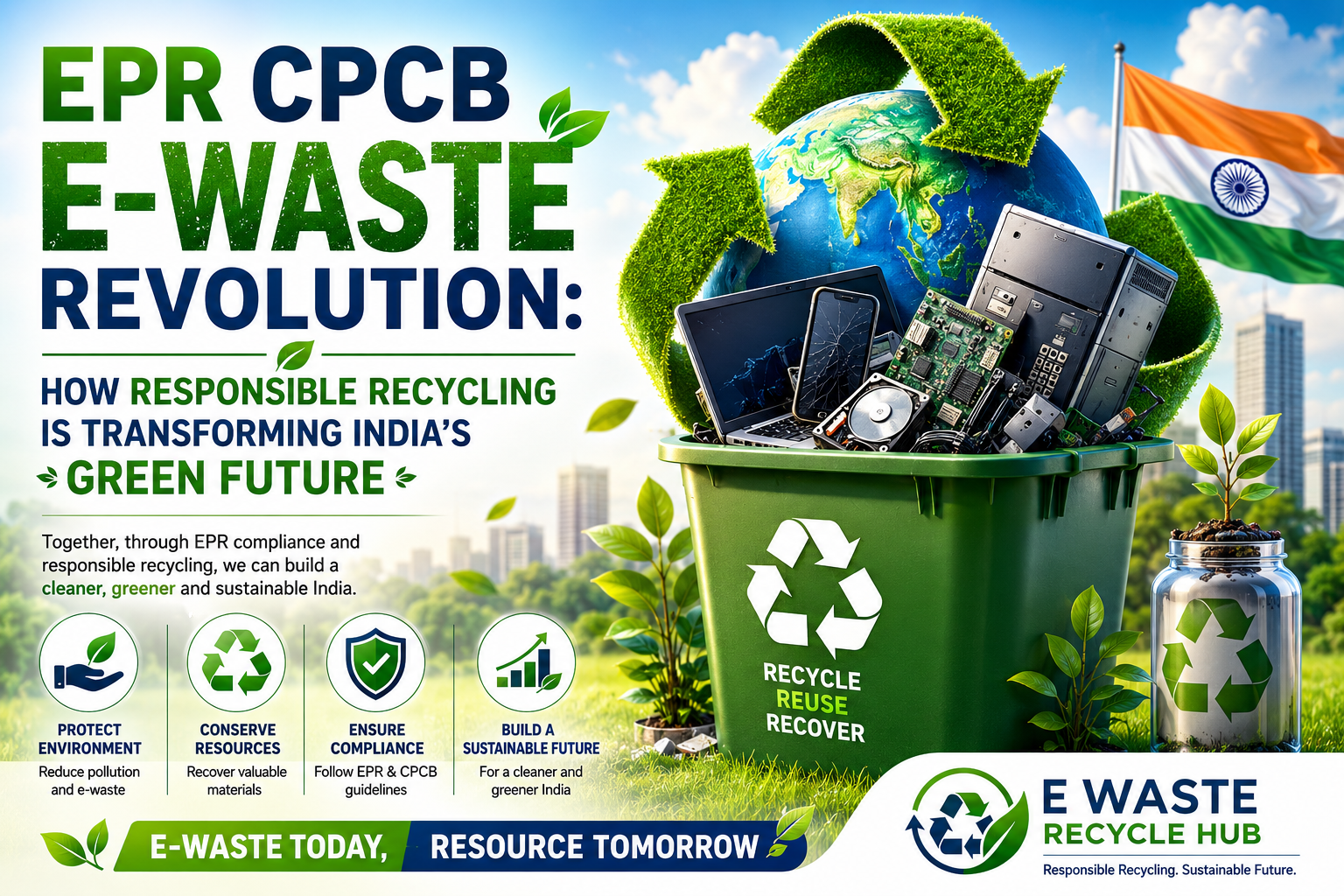
EPR CPCB E-Waste Revolution: How Responsible Recycling is Transforming India’s Green Future
June 15, 2026 -
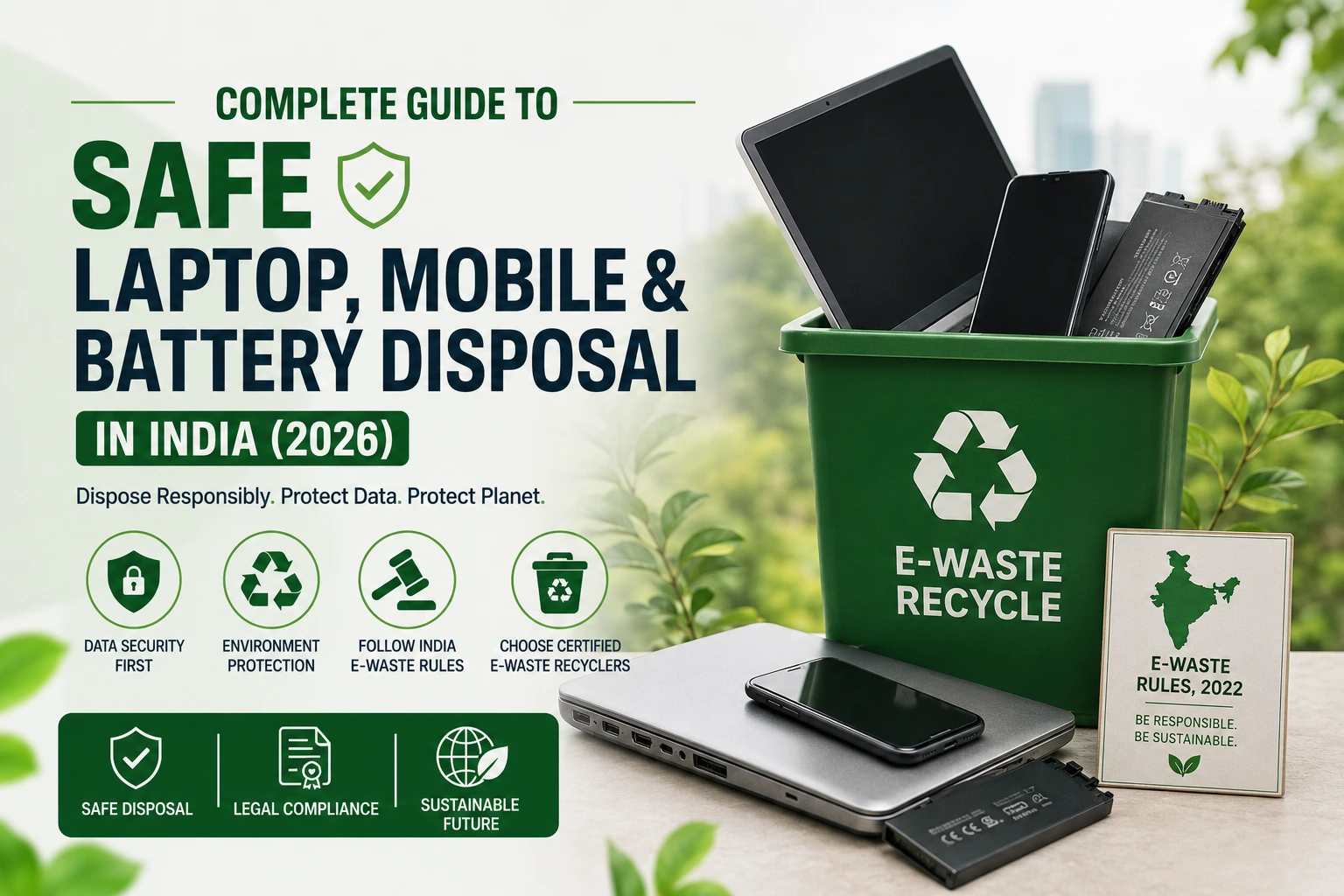
Complete Guide to Safe Laptop, Mobile & Battery Disposal in India (2026)
June 3, 2026 -
What is E-Waste Management and Why is It Important?
May 6, 2026 -
EPR for E-Waste: Rules, Registration Process & Compliance Guide for Producers
March 3, 2026 -
The Growing Problem of Electronic Waste and the Need for Responsible Recycling
January 12, 2026 -
How Proper E-Waste Recycling Helps Protect the Environment and Human Health
December 16, 2025 -
E-Waste Management in India: Challenges, Solutions, and Future Scope
December 11, 2025 -
Secure Data Destruction: Protecting Your Privacy While Recycling
November 24, 2025 -
How Recycling E-Waste Management Helps Protect the Environment
November 6, 2025 -
Secure Computer Data Destruction: Everything You Need to Know
September 3, 2025 -
Top 10 Electronics You Didn’t Know You Could Recycle
August 26, 2025 -
EPR CPCB E-Waste: A Complete Guide to Responsible Electronics Recycling
August 19, 2025 -
Best IT Recycling Solutions for Businesses
August 12, 2025 -
2025 EPR Rules for E-Waste: How to Stay Compliant and Avoid Penalties
August 5, 2025 -
E-Waste Management: Solutions for Electric Waste Disposal
July 30, 2025 -
What Are The Ways To Efficiently Manage Commercial Waste For Businesses?
July 24, 2025 -
How to Fulfill Your E-Waste EPR Compliance in 2025
July 15, 2025 -
Corporate Responsibility: Implementing Sustainable E-Waste Management
May 28, 2024 -
Making Greener Choices: Exploring the Benefits of Refurbished Electronics
May 28, 2024 -
The Environmental Impact of E-Waste: Understanding the Need for Responsible Recycling
May 28, 2024 -
How to Properly Dispose of Your Old Electronics: A Step-by-Step Guide
May 27, 2024 -
E-Waste Recycling: A Step-by-Step Guide for Responsible Disposal
May 27, 2024