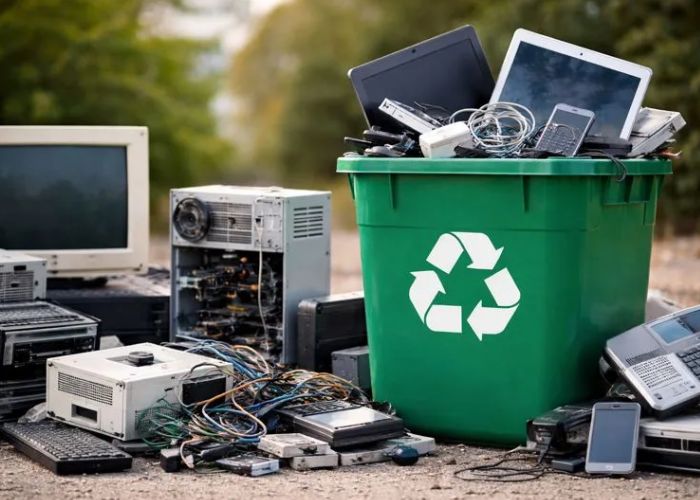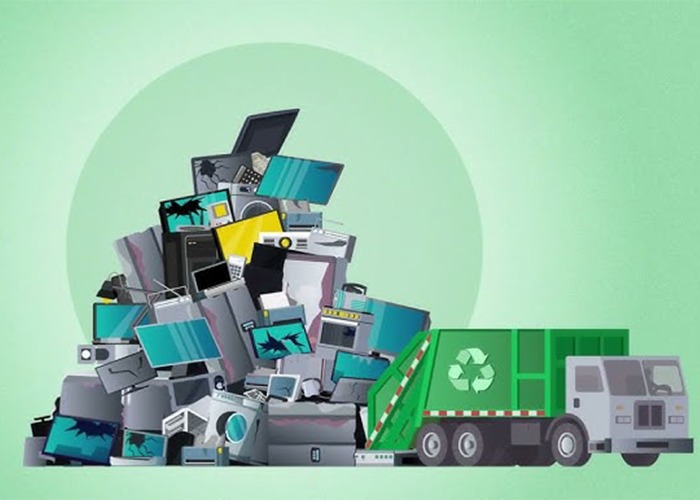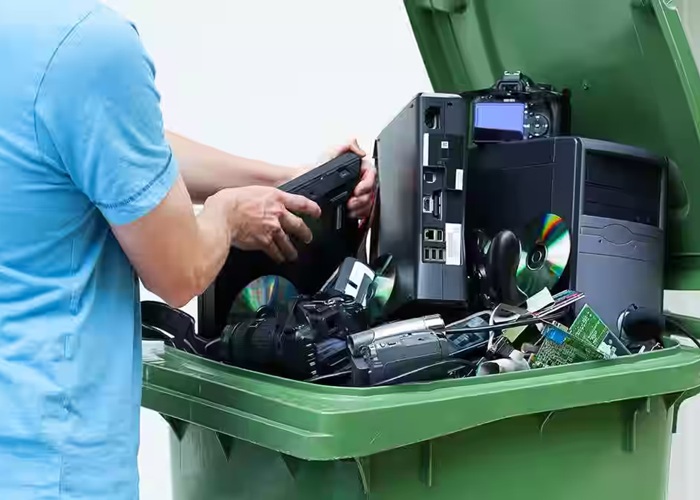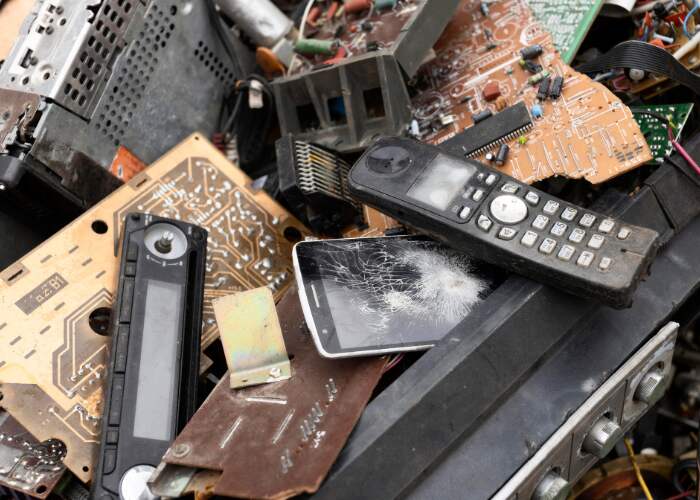

With the worldwide demand for electronics at an all-time high, managing electronic waste (e-waste) is a top-of-mind consideration for governments and environmental agencies. The 2025 EPR Rules for E-Waste in India are a major move to change the implementation responsibilities from Producers, i.e., manufacturers, importers, and brand owners of post-consumer electronic products.
There is no other option to escape from the need to know about the (Extended Producer Responsibility) framework if your business deals with electronics in whatever way it is manufacturing, importing or selling. What you need to know about E-waste EPR Rules 2025 & How you can be compliant and evade heavy fines.
What exactly is Extended Producer Responsibility (EPR)?
Environmentality: EPR (Extended Producer Responsibility) — An environmental policy approach in which a producer’s responsibility for a product is extended to the post-consumer stage of a product’s lifecycle; waste prevention, sustainable materials management, and regulatory incentives. In this paradigm, producers must ensure that their products are collected and recycled appropriately following disposal by the consumer under an Extended Producer Responsibility (EPR) regime for e-waste.
Key Highlights of the E-waste EPR Rules 2025
The 2025 E-Waste Management Rules are amendments to the 2022 framework, with this degree of accountability, digital tracking, and environmental safety increased. Here are the major changes and updates:
Upload the EPR Registration requirements in CPCB Portal
Producers, importers, refurbishers, and recyclers shall register with the CPCB EPR Portal. Naturally, operations that are not on the EPR registers will be classified as illegal entities with severe penalties.
Digital EPR Certificates
In this scheme, producers are required to buy EPR certificates from an authorized recycler based on the amount of e-waste they generate. These certifications are required by annual compliance deadlines.
Revised E-Waste Targets
The 2025 rules also set higher goals for the recycling of e-waste. For instance, producers must recover at least 60% of their sold electronic products ( by weight) from the previous financial year, which increases each succeeding year.
Increased Product Categories
List of Course Corrected Products: Now this encompasses various electronics such as laptops, phones, along with medical devices, photovoltaic panels, and lightning equipment.
Strict Penalties for Non-Compliance
The penalties for failing to comply with EPR targets (or operating without valid registration) may be very considerable. Penalties are from ₹1 lakh to ₹1 crore per violation.
Which Entities Have to Meet the 2025 EPR Rules?
The following categories need to comply with E-waste laws from 2025 (i.e. ,e-waste compliance under the 2025 EPR rules is compulsory):
- Electronics manufacturers
- Importers and brand owners
- Online marketplaces selling electronic goods
- Refurbishers and repair centers
- Authorized recyclers and dismantlers
Steps to Stay Compliant with EPR Rules in 2025
A systemized approach is all it takes to comply with EPR rules of e-waste. Here’s a step-by-step guide:
Get EPR Registered
Step 1- Register your Business in the CPCB EPR portal. Successful verification: You will have to provide us with some documents related to the company PAN, GST, CIN, and details of the electronic equipment that you have produced or imported.
Determine Your EPR Liability
Based on the weight of goods sold or imported, calculate your EPR liability within a year. This will have a fixed cost, dependent on how many tonnes of e-waste you are required to recycle or manage.
Partner With Authorized Recyclers
Partner with an e-waste recycler registered under CPCB to comply with your responsibility. After they collect and recycle your e-waste properly on your behalf, they will provide you with EPR certificates. Ewaste Recycle Hub provides trustworthy E-waste recycling services.
Purchase and Upload EPR Certificates
Procure the required EPR certificates and upload them on CPCB portal within the due reporting timeframe. To avoid the possibility of audit or rejection, it is crucial to make sure that all uploads are accurate.
File Annual Returns
Prepare an annual EPR compliance report on or before the due date (usually 31st March of calen. This report must include the figures sold, e-waste collected, and certificates bought.
Fine/Penalty for Non-Adherence of EPR Rules
Failing to address your EPR compliance can mean:
- Fines: From Rs 1 lakh to Rs 1 crore based on the nature of the violation
- Closure: Unlicensed producers can have their licenses revoked, thereby stopping them from operating.
- Legal Action: And in fact, severe and chronic cases may even lead to the prosecution of the culprits under the Environment (Protection) Act.
The best way to prevent such penalties is through proactive compliance.
Note: Need Pro Services for EPR? E-waste Recycle Hub provides this feature.
Why EPR Compliance is Good for Business
In addition to the legal requirements, there are several other benefits that come from being compliant with EPR e-waste regulations:
- You will also witness positive results on your brand reputation as consumers tend to trust and buy from eco-friendly brands.
- Compliance — EPR certification is increasingly a requirement for large B2B buyers and government tenders; similarly, there is a lucrative business potential to partner with some responsible PROducers who may otherwise have GCC contract route.
- Supports sustainability alignment: EPR is in line with corporate ESG objectives, as well as global frameworks for sustainability such as the UN SDGs.
Final Thoughts
The 2025 EPR Rules for e-waste are a significant milestone that the whole country can be proud of as it is strengthening our strides towards sustainable electronic waste management in India. It may sound difficult in the beginnin,g but if you have proper knowledge and partners for it, compliance is very easy to maintain.
Businesses in the electronics sector, such as producers, importers, or brand owners, must ensure that they are now EPR compliant. Action before the deadline — register, target planning, and collaboration with certified recyclers today.
-

The Growing E-Waste Crisis in 2026: Why Responsible Electronics Recycling Is More Important Than Ever
August 3, 2026 -
AI-Powered E-Waste Recycling in 2026: How Smart Technology is Revolutionizing Electronic Waste Management
July 7, 2026 -
EPR CPCB E-Waste Revolution: How Responsible Recycling is Transforming India’s Green Future
June 15, 2026 -
Complete Guide to Safe Laptop, Mobile & Battery Disposal in India (2026)
June 3, 2026 -
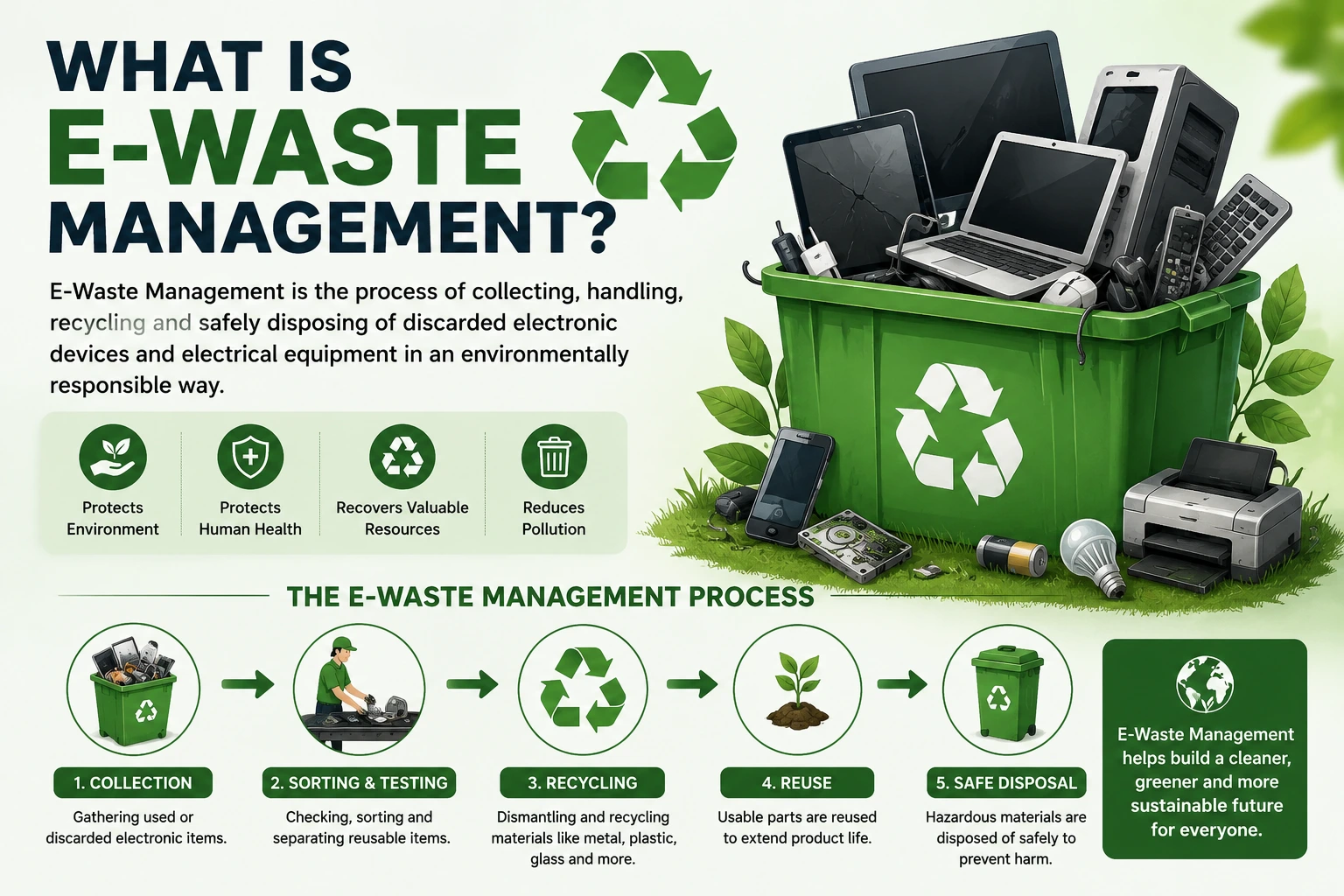
What is E-Waste Management and Why is It Important?
May 6, 2026 -
EPR for E-Waste: Rules, Registration Process & Compliance Guide for Producers
March 3, 2026 -
The Growing Problem of Electronic Waste and the Need for Responsible Recycling
January 12, 2026 -
How Proper E-Waste Recycling Helps Protect the Environment and Human Health
December 16, 2025 -
E-Waste Management in India: Challenges, Solutions, and Future Scope
December 11, 2025 -
Secure Data Destruction: Protecting Your Privacy While Recycling
November 24, 2025 -
How Recycling E-Waste Management Helps Protect the Environment
November 6, 2025 -
Secure Computer Data Destruction: Everything You Need to Know
September 3, 2025 -
Top 10 Electronics You Didn’t Know You Could Recycle
August 26, 2025 -
EPR CPCB E-Waste: A Complete Guide to Responsible Electronics Recycling
August 19, 2025 -
Best IT Recycling Solutions for Businesses
August 12, 2025 -
2025 EPR Rules for E-Waste: How to Stay Compliant and Avoid Penalties
August 5, 2025 -
E-Waste Management: Solutions for Electric Waste Disposal
July 30, 2025 -
What Are The Ways To Efficiently Manage Commercial Waste For Businesses?
July 24, 2025 -
How to Fulfill Your E-Waste EPR Compliance in 2025
July 15, 2025 -
Corporate Responsibility: Implementing Sustainable E-Waste Management
May 28, 2024 -
Making Greener Choices: Exploring the Benefits of Refurbished Electronics
May 28, 2024 -
The Environmental Impact of E-Waste: Understanding the Need for Responsible Recycling
May 28, 2024 -
How to Properly Dispose of Your Old Electronics: A Step-by-Step Guide
May 27, 2024 -
E-Waste Recycling: A Step-by-Step Guide for Responsible Disposal
May 27, 2024