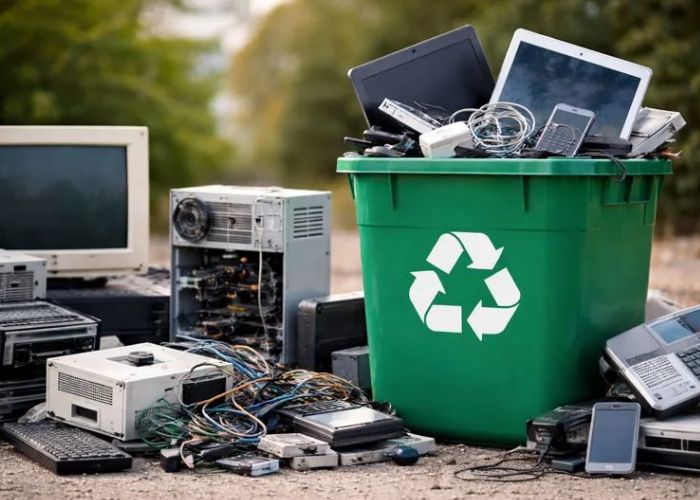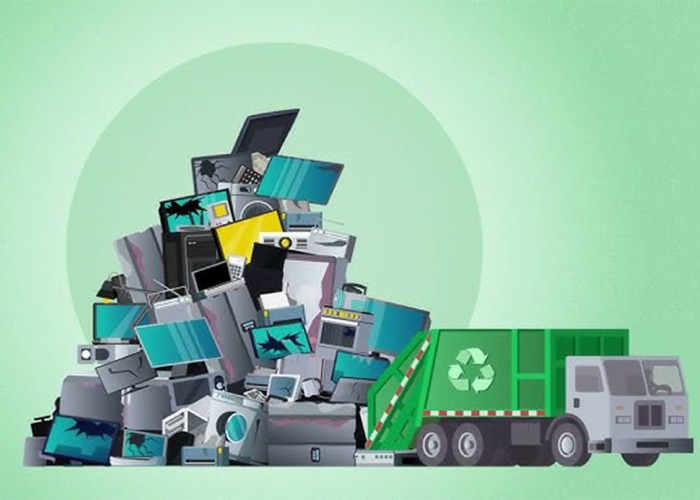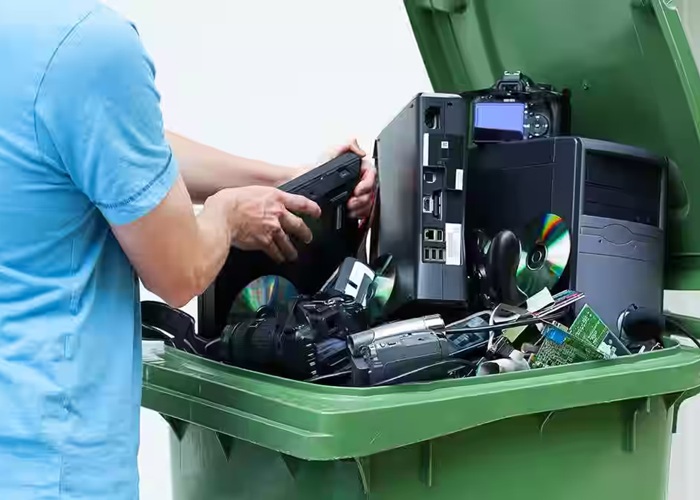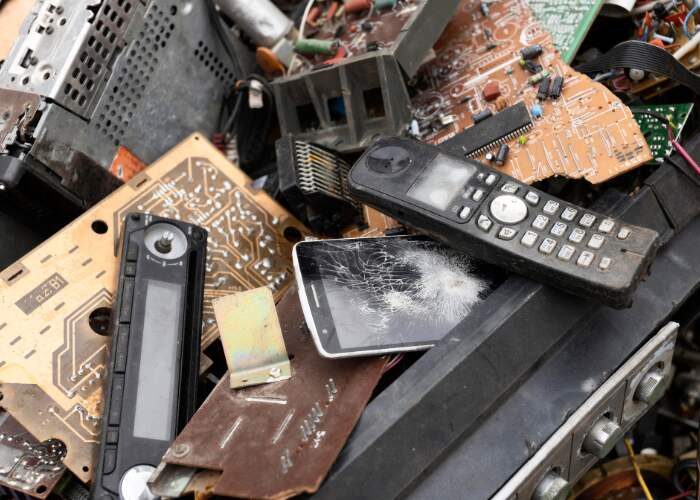
With the growing use of electronic products, the amount of electronic waste generated by businesses and consumers is increasing rapidly. From laptops and smartphones to printers, televisions, servers, and other electronic equipment, discarded devices create serious environmental challenges when they are not managed properly.
To address this issue, the Government of India has introduced Extended Producer Responsibility (EPR), making producers responsible for ensuring the environmentally sound management of e-waste generated from their products.
For manufacturers, importers, and brand owners of electrical and electronic equipment, understanding EPR compliance is essential. However, managing e-waste collection, recycling, documentation, and awareness activities can be challenging without professional assistance.
This is where E-Waste Recycle Hub supports businesses through its PRO services for EPR, helping producers develop effective e-waste collection and recycling mechanisms while working towards their EPR targets.
What Is Extended Producer Responsibility (EPR)?
Extended Producer Responsibility (EPR) is an environmental policy that makes producers responsible for managing the waste generated from their electrical and electronic products after consumers discard them.
Under India’s E-Waste Management Rules, producers must fulfil applicable EPR obligations by ensuring that e-waste is channelled towards environmentally responsible recycling through authorised systems.
The primary objectives of EPR include:
- Reducing improper disposal of electronic waste.
- Encouraging responsible e-waste collection and recycling.
- Recovering valuable materials from discarded electronics.
- Minimising environmental pollution.
- Promoting sustainable waste management practices.
- Creating awareness about responsible electronic waste disposal.
EPR encourages businesses to consider the entire lifecycle of their electronic products, including their disposal and recycling.
What Are PRO Services for EPR?
PRO stands for Producer Responsibility Organisation. A PRO is an organisation that helps producers implement their Extended Producer Responsibility strategies and manage various activities associated with e-waste collection and recycling.
A Producer Responsibility Organisation works with collection centres, authorised recyclers, dismantlers, and other relevant stakeholders to establish an organised e-waste management system.
Professional PRO services for EPR can help businesses with:
- Developing e-waste collection mechanisms.
- Coordinating with authorised recyclers and dismantlers.
- Organising e-waste collection drives.
- Conducting environmental awareness campaigns.
- Educating consumers about responsible recycling.
- Supporting the implementation of EPR strategies.
- Monitoring collection and recycling activities.
By working with an experienced PRO service provider, businesses can manage their EPR activities more systematically and improve their environmental performance.
Why Is EPR Compliance Important for Businesses?
EPR compliance is not just an environmental responsibility; it is also an important part of responsible business operations.
Companies involved in manufacturing, importing, or selling electronic equipment need to understand their applicable EPR obligations and establish appropriate systems to fulfil them.
Here are some major reasons why EPR compliance matters.
1. Helps Meet Regulatory Requirements
Businesses must follow applicable e-waste management regulations and fulfil their respective EPR obligations. A structured compliance approach helps organisations manage their responsibilities and maintain appropriate records.
2. Promotes Responsible E-Waste Recycling
Electronic products contain valuable materials that can be recovered through proper recycling. EPR encourages businesses to channelise discarded electronics towards authorised recycling facilities instead of allowing them to enter informal disposal networks.
3. Protects the Environment
Improper electronic waste disposal can release hazardous substances into the environment. Responsible collection, dismantling, and recycling help reduce pollution and support environmental protection.
4. Improves Brand Reputation
Consumers and business partners increasingly value environmentally responsible companies. Following sustainable waste management practices demonstrates a commitment to environmental protection and corporate responsibility.
5. Supports Sustainable Business Operations
EPR encourages resource recovery and the efficient use of materials. It also supports the development of a circular economy in which valuable resources are recovered and reused instead of being wasted.
How Does a Producer Responsibility Organisation Help Businesses?
Managing EPR activities involves several interconnected processes. A PRO helps coordinate these activities and creates an organised approach to e-waste management.
Let’s understand the major responsibilities of a PRO.
1. E-Waste Collection Management
One of the important responsibilities of a PRO is establishing an effective collection mechanism for discarded electrical and electronic equipment.
This may involve:
- Setting up collection points.
- Coordinating with collection centres.
- Developing partnerships with channel partners.
- Organising collection drives.
- Improving access to responsible disposal facilities.
An effective collection network helps businesses channelise e-waste towards appropriate recycling facilities.
A PRO helps producers coordinate with authorised recyclers and dismantlers for responsible e-waste processing.
This ensures that collected electronic waste is directed towards appropriate facilities where materials can be recovered through environmentally sound processes.
3. Environmental Awareness Campaigns
Many consumers are still unaware of the correct ways to dispose of electronic waste.
A PRO can organise awareness initiatives through:
- Social media campaigns.
- Print and digital marketing.
- Corporate events.
- Educational workshops.
- Public awareness programmes.
- E-waste collection drives.
These activities encourage consumers and businesses to participate in responsible electronic waste management.
4. Training Informal Sector Participants
Informal waste collectors and traders often play an important role in the collection of discarded electronics.
Training programmes and workshops can educate these stakeholders about the environmental risks of unsafe recycling practices and encourage their participation in organised recycling systems.
5. EPR Target Management Support
Businesses need an organised approach to managing their applicable EPR targets.
A professional PRO can assist with collection planning, recycler coordination, operational monitoring, and other implementation activities to help producers work towards their compliance requirements.
How Does EPR Implementation Work in India?
EPR implementation involves several stages that help businesses establish an organised system for managing electronic waste.
Step 1: Understand Your EPR Obligations
The first step is identifying the applicable EPR requirements for your business.
Manufacturers, importers, and brand owners should understand their responsibilities based on their business activities and the electronic products covered under the applicable regulations.
Step 2: Complete Applicable EPR Registration
Businesses must complete the required registration process through the relevant Central Pollution Control Board (CPCB) portal, wherever applicable.
Accurate business information and supporting documentation are important for maintaining regulatory compliance.
Step 3: Develop an E-Waste Collection Strategy
An effective collection mechanism helps businesses manage the movement of discarded electronic products.
This may include collection centres, collection points, awareness programmes, and partnerships with relevant stakeholders.
Collected e-waste should be channelled towards authorised recycling facilities.
Working with appropriate recyclers helps ensure that discarded electronics are processed through environmentally responsible methods.
Step 5: Monitor EPR Activities and Documentation
Businesses should maintain appropriate records of their EPR-related activities, including collection, recycling, and applicable compliance documentation.
Proper monitoring makes it easier to evaluate progress and identify areas requiring improvement.
Step 6: Fulfil Applicable Reporting Requirements
Producers must complete their applicable reporting and compliance formalities within the prescribed timelines.
An organised documentation process helps businesses maintain transparency and demonstrate their compliance efforts.
Why Choose E-Waste Recycle Hub for PRO Services for EPR?
Selecting the right support partner is important for implementing an effective e-waste management strategy.
E-Waste Recycle Hub provides PRO services for EPR to help bulk producers of electrical and electronic equipment work towards their EPR targets through structured collection and recycling solutions.
The organisation focuses on transparent operations, collection network development, awareness initiatives, and coordination with relevant stakeholders.
Here are some key features of its PRO services.
1. Pan-India Collection Network
E-Waste Recycle Hub has collection centres, collection points, and channel partners across major cities in India to support efficient e-waste collection and handling.
2. Transparent Working Process
A transparent operational approach helps businesses understand their e-waste management activities and monitor progress towards their applicable EPR targets.
3. Awareness and Education Programmes
The organisation undertakes awareness initiatives through social media, print and digital marketing, corporate events, and collection drives.
4. Informal Sector Engagement
Training programmes and workshops help educate informal waste traders about the importance of safe e-waste handling and responsible recycling practices.
5. Professional Support
A dedicated team of trained professionals supports businesses in planning and implementing EPR-related activities within specified timeframes.
With its focus on responsible recycling and organised waste management, E-Waste Recycle Hub helps businesses take a more structured approach towards their environmental responsibilities.
Common Challenges in EPR Implementation
Although EPR is essential for responsible e-waste management, businesses may face several challenges while implementing it.
1. Lack of Consumer Awareness
Many consumers do not know where or how to dispose of their old electronic products. Awareness campaigns and accessible collection points can help address this issue.
2. Managing Collection Networks
Establishing an effective collection network across different geographical locations requires proper coordination, planning, and operational support.
3. Informal Recycling Practices
Informal recycling methods can create environmental and health risks. Encouraging responsible collection and working with authorised recyclers are important steps towards addressing this challenge.
4. Documentation and Reporting
Maintaining accurate records and completing applicable reporting requirements can be difficult without an organised compliance process.
5. Meeting EPR Targets
Businesses need to plan their collection and recycling activities carefully to fulfil their applicable EPR obligations within the prescribed timelines.
Professional PRO services can help organisations address these challenges through structured implementation and stakeholder coordination.
The Future of EPR and Sustainable E-Waste Management in India
India’s electronics industry continues to expand, increasing the need for efficient electronic waste management systems.
EPR plays an important role in encouraging manufacturers, importers, and brand owners to take greater responsibility for the waste generated from their products.
In the coming years, organised collection networks, improved recycling technologies, consumer awareness, and digital compliance systems are expected to contribute to more efficient e-waste management.
Businesses that adopt responsible recycling practices can support resource conservation while strengthening their sustainability initiatives.
By working with professional service providers such as E-Waste Recycle Hub, organisations can develop better collection strategies, improve recycling coordination, and work towards their applicable EPR targets.
Conclusion
Extended Producer Responsibility is an important step towards building a sustainable electronic waste management system in India. It encourages businesses to take responsibility for their products beyond the point of sale and ensures that discarded electronics are managed responsibly.
However, effective EPR implementation requires proper planning, collection networks, authorised recycling partnerships, awareness programmes, and accurate documentation.
Choosing professional PRO services for EPR can make these activities more organised and manageable.
E-Waste Recycle Hub supports businesses with EPR implementation services, collection network development, awareness initiatives, and recycling coordination. By adopting responsible e-waste management practices, businesses can fulfil their environmental responsibilities and contribute to a cleaner, more sustainable future.
Frequently Asked Questions
1. What is EPR in e-waste management?
EPR stands for Extended Producer Responsibility. It makes producers responsible for ensuring the environmentally sound management of e-waste generated from their electronic products.
2. What are PRO services for EPR?
PRO services help producers manage e-waste collection, recycling coordination, awareness campaigns, and other EPR implementation activities.
3. Who needs EPR compliance in India?
Manufacturers, producers, and importers of electrical and electronic equipment covered under applicable E-Waste Management Rules must fulfil their respective EPR obligations.
4. What is the role of a Producer Responsibility Organisation?
A PRO helps establish collection mechanisms, coordinate with authorised recyclers, organise awareness campaigns, and support producers in meeting their EPR targets.
Authorised recyclers ensure that collected electronic waste is processed through environmentally sound recycling methods and support applicable EPR compliance requirements.
6. How does E-Waste Recycle Hub help with EPR implementation?
E-Waste Recycle Hub provides collection network support, recycler coordination, awareness programmes, and structured PRO services to help businesses work towards their EPR targets.
7. How can businesses improve their EPR compliance?
Businesses can improve compliance by understanding applicable regulations, developing effective collection systems, partnering with authorised recyclers, and maintaining accurate documentation.
-

Refurbished IT Equipment: Benefits & Uses
October 29, 2026 -
EPR Compliance for E-Waste in India: Guide for Businesses
October 26, 2026 -
Certified E-Waste Recycling in India: Process & Benefits
October 20, 2026 -
The Growing E-Waste Crisis in 2026: Why Responsible Electronics Recycling Is More Important Than Ever
August 3, 2026 -
AI-Powered E-Waste Recycling in 2026: How Smart Technology is Revolutionizing Electronic Waste Management
July 7, 2026 -
EPR CPCB E-Waste Revolution: How Responsible Recycling is Transforming India’s Green Future
June 15, 2026 -
Complete Guide to Safe Laptop, Mobile & Battery Disposal in India (2026)
June 3, 2026 -
What is E-Waste Management and Why is It Important?
May 6, 2026 -
EPR for E-Waste: Rules, Registration Process & Compliance Guide for Producers
March 3, 2026 -
The Growing Problem of Electronic Waste and the Need for Responsible Recycling
January 12, 2026 -
How Proper E-Waste Recycling Helps Protect the Environment and Human Health
December 16, 2025 -
E-Waste Management in India: Challenges, Solutions, and Future Scope
December 11, 2025 -
Secure Data Destruction: Protecting Your Privacy While Recycling
November 24, 2025 -
How Recycling E-Waste Management Helps Protect the Environment
November 6, 2025 -
Secure Computer Data Destruction: Everything You Need to Know
September 3, 2025 -
Top 10 Electronics You Didn’t Know You Could Recycle
August 26, 2025 -
EPR CPCB E-Waste: A Complete Guide to Responsible Electronics Recycling
August 19, 2025 -
Best IT Recycling Solutions for Businesses
August 12, 2025 -
2025 EPR Rules for E-Waste: How to Stay Compliant and Avoid Penalties
August 5, 2025 -
E-Waste Management: Solutions for Electric Waste Disposal
July 30, 2025 -
What Are The Ways To Efficiently Manage Commercial Waste For Businesses?
July 24, 2025 -
How to Fulfill Your E-Waste EPR Compliance in 2025
July 15, 2025 -
Corporate Responsibility: Implementing Sustainable E-Waste Management
May 28, 2024 -
Making Greener Choices: Exploring the Benefits of Refurbished Electronics
May 28, 2024 -
The Environmental Impact of E-Waste: Understanding the Need for Responsible Recycling
May 28, 2024 -
How to Properly Dispose of Your Old Electronics: A Step-by-Step Guide
May 27, 2024 -
E-Waste Recycling: A Step-by-Step Guide for Responsible Disposal
May 27, 2024