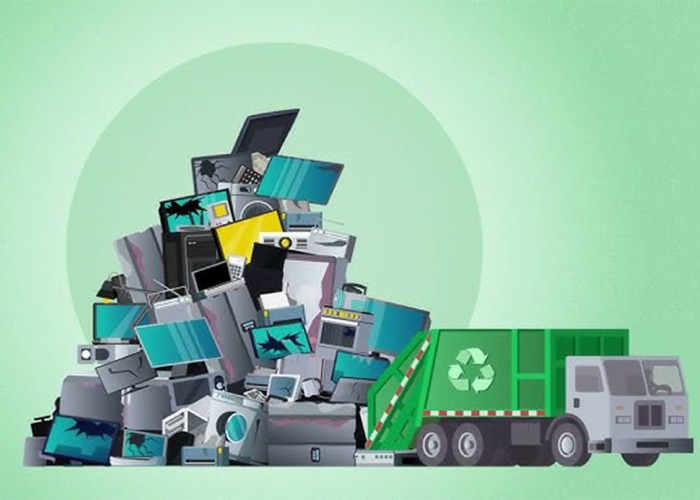
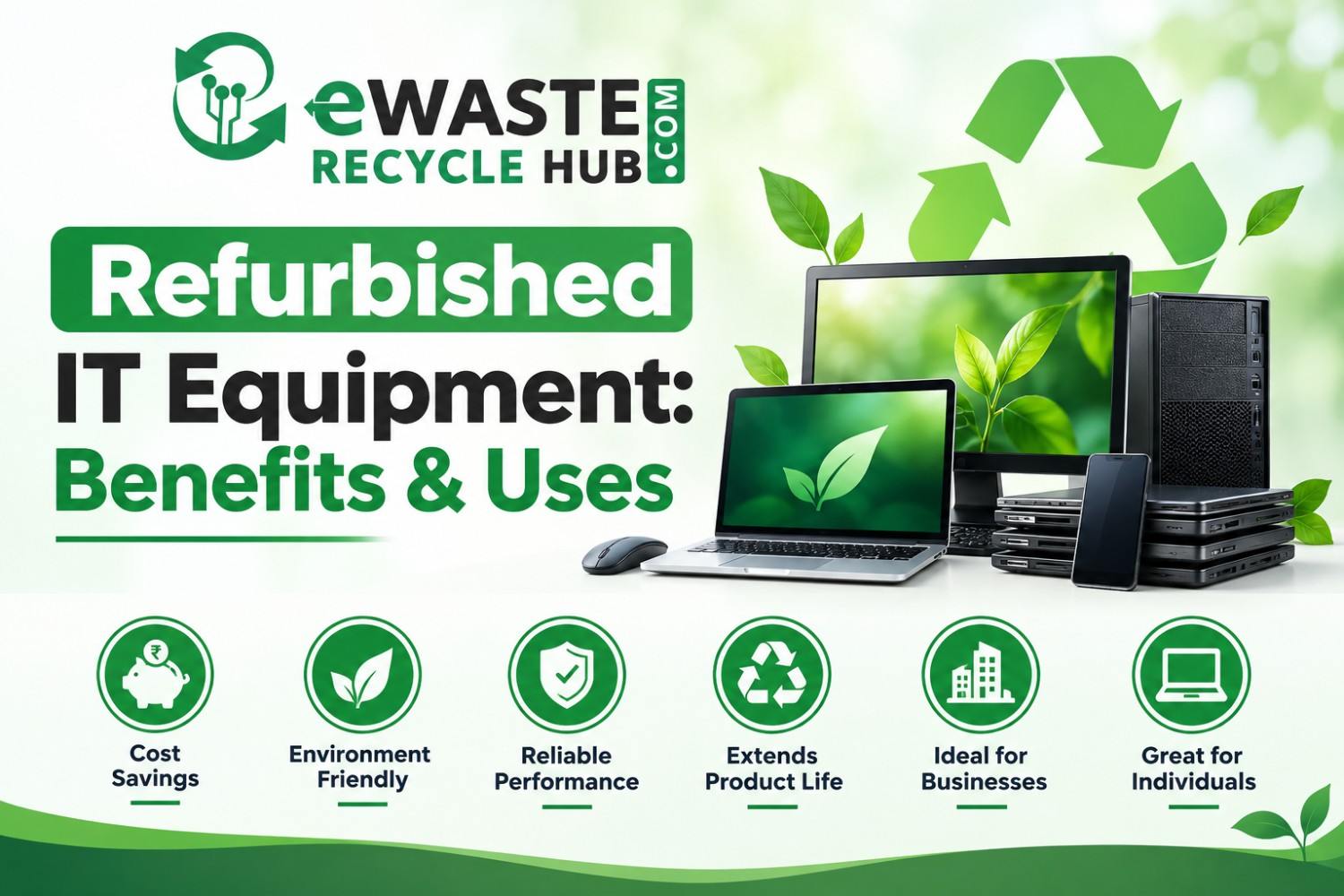
In today’s technology-driven world, computers, laptops, printers, servers, and other electronic devices play an important role in business operations. However, frequent technology upgrades and changing business requirements often result in large quantities of unused electronic equipment.
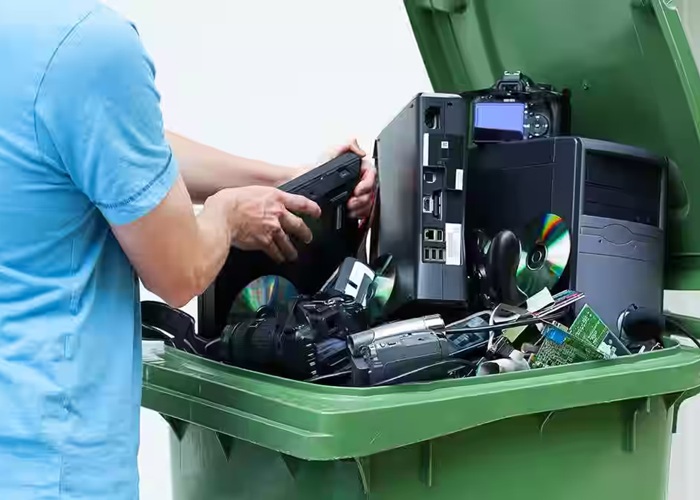
Many of these devices are discarded even when they still have the potential to function with minor repairs or component replacements. This creates unnecessary electronic waste and increases the demand for new electronic products.
IT refurbishment offers a practical solution by restoring used electronic equipment and making it suitable for reuse. It helps businesses save money, extend the lifespan of electronic assets, and reduce environmental impact.
E-Waste Recycle Hub provides professional IT refurbishment and repair services, helping transform discarded electronic equipment into reusable resources. Through skilled technicians, suitable replacement components, and quality control checks, the company promotes a more sustainable approach to electronic waste management.
What Is IT Refurbishment?
IT refurbishment is the process of inspecting, repairing, restoring, and testing previously used electronic equipment to make it functional and suitable for further use.
Electronic devices may become unusable because of damaged components, hardware failures, slow performance, or outdated configurations. However, not every old device needs to be discarded.
Professional refurbishment involves identifying technical problems, replacing damaged parts, cleaning equipment, and conducting quality checks before returning devices to use.
Common refurbished IT products include:
- Desktop computers and laptops.
- Computer monitors and displays.
- Printers, scanners, and photocopiers.
- Servers and networking equipment.
- Tablets and mobile phones.
- Keyboards, mice, and accessories.
- Storage devices and external drives.
- Audio and video equipment.
E-Waste Recycle Hub focuses on repairing and refurbishing used electronic assets to give suitable devices a new lease of life.
Why Is IT Refurbishment Important?
IT refurbishment is an important part of sustainable electronics management. It prioritises repairing and reusing existing equipment instead of immediately disposing of it.
1. Reduces Electronic Waste
Discarded electronic equipment contributes to the growing e-waste problem. Refurbishing suitable devices helps prevent functional or repairable electronics from becoming unnecessary waste.
2. Makes Technology More Affordable
New computers, laptops, and office equipment can require significant investment. Refurbished IT products offer a more economical alternative for businesses and individuals.
3. Extends the Lifespan of Electronic Devices
Replacing damaged components and resolving technical issues can help electronic devices remain useful for longer.
4. Conserves Natural Resources
Manufacturing new electronics requires metals, plastics, energy, and other natural resources. Reusing existing devices reduces the need for frequent replacements.
5. Supports Environmental Sustainability
Refurbishment promotes the principles of Reduce, Reuse, and Recycle, helping businesses adopt more responsible electronic waste management practices.
How Does the IT Refurbishment Process Work?
Professional IT refurbishment involves several stages to ensure that used electronic devices are restored properly and meet the required functional standards.
1. Collection and Initial Inspection
The process begins with collecting used electronic equipment and examining its physical condition.
Technicians identify visible damage, missing components, hardware issues, and other problems that may affect device performance.
2. Technical Testing and Diagnosis
Each device undergoes technical assessment to identify faults and determine which components require repair or replacement.
The inspection may include:
- Processor and RAM testing.
- Hard drive and SSD inspection.
- Battery and power supply checks.
- Display and screen testing.
- Keyboard and connectivity testing.
3. Repair and Component Replacement
Damaged or defective components are repaired or replaced with suitable quality spare parts.
This helps restore the device’s functionality and improve its overall performance.
4. Cleaning and Restoration
After repairs, devices are cleaned and restored to improve their physical appearance and prepare them for further testing.
5. Quality Control Testing
Every refurbished device undergoes quality control checks by qualified technicians.
These checks help ensure that the equipment is functioning properly and is suitable for reuse.
6. Final Preparation for Reuse
After successful testing, refurbished electronics are prepared for reuse or resale.
This process gives electronic products another opportunity to remain useful instead of becoming unnecessary waste.
Types of Electronic Equipment That Can Be Refurbished
Different types of electronic products can be refurbished depending on their physical condition, technical functionality, and availability of replacement components.
1. Computers and Laptops
Examples include:
- Desktop computers
- Laptops and notebooks
- Computer monitors
- Keyboards and mice
- Computer accessories
Refurbished computers and laptops are useful for businesses, educational institutions, startups, and individuals looking for affordable technology solutions.
2. Printers and Office Equipment
Examples include:
- Printers
- Scanners
- Photocopiers
- Fax machines
- Toner and ink cartridges
Repairing office equipment can help organisations reduce replacement costs and extend the usefulness of their existing assets.
3. Mobile Phones and Communication Devices
Examples include:
- Smartphones
- Tablets
- Telephones
- MP3 players
- iPods
Suitable communication devices can be refurbished through component replacement and technical repairs.
4. Television and Entertainment Equipment
Examples include:
- Televisions
- VCRs
- DVD players
- VHS tapes
- CDs and DVDs
- Audio and video equipment
Refurbishment helps recover the usability of suitable entertainment electronics.
5. Servers and Networking Equipment
Examples include:
- Computer servers
- Networking equipment
- External drives
- Chargers
- Storage devices
- Audio-visual accessories
Businesses can benefit from restoring suitable IT infrastructure equipment rather than immediately replacing every component.
Refurbished vs New Electronics: Which Is Better?
Both new and refurbished electronics have their own advantages. The right choice depends on the user’s requirements, budget, and expected device performance.
| Comparison | New Electronics | Refurbished Electronics |
| Condition | Brand new | Previously used and restored |
| Price | Generally higher | Generally more affordable |
| Usage | Never previously used | Previously owned or used |
| Testing | Manufacturer quality checks | Refurbishment and functional checks |
| Sustainability | Requires new manufacturing resources | Extends the life of existing devices |
| Warranty | Manufacturer-specific terms | Depends on the seller or provider |
Refurbished electronics are a practical option for people and businesses looking for budget-friendly technology without unnecessarily increasing electronic waste.
Benefits of Buying Refurbished Laptops and Computers
Refurbished laptops and computers are becoming popular among businesses, students, startups, and organisations that need reliable technology at affordable prices.
1. Lower Purchase Cost
One of the biggest advantages of refurbished electronics is their affordability.
According to the service information provided by E-Waste Recycle Hub, refurbished products can be available at approximately 70–80% lower costs than new products, depending on the device.
2. Suitable for Everyday Business Operations
Quality-tested refurbished computers can support routine business activities such as documentation, internet browsing, presentations, communication, and other office tasks.
3. Ideal for Startups and Small Businesses
Startups often operate with limited budgets. Refurbished IT equipment can help them establish their technology infrastructure without making a large initial investment.
4. Useful for Educational Institutions
Schools, colleges, and training centres can consider refurbished computers for laboratories, classrooms, and computer training programmes.
5. Environmentally Responsible Choice
Buying refurbished electronics encourages reuse and helps reduce the demand for new electronic products.
How IT Refurbishment Supports the Circular Economy
A circular economy focuses on keeping products and materials in use for as long as possible.
Instead of following a traditional approach of purchasing, using, and discarding electronic devices, refurbishment encourages businesses to repair and reuse existing equipment.
Reduce
Repairing electronic devices reduces unnecessary purchases and minimises the amount of electronic waste generated.
Reuse
Refurbishment restores suitable devices and allows them to serve new users or fulfil different requirements.
Recycle
Electronic products that cannot be refurbished are directed towards appropriate recycling processes to recover valuable materials.
By following these principles, E-Waste Recycle Hub promotes responsible resource utilisation and sustainable electronics management.
Important Things to Check Before Buying Refurbished IT Equipment
Purchasing refurbished electronic products can be beneficial, but it is important to evaluate their condition and quality before making a decision.
1. Check Device Condition
Examine the physical condition of the laptop, computer, or other electronic equipment for visible damage.
2. Verify Hardware Specifications
Check the processor, RAM, storage capacity, battery condition, and other specifications according to your requirements.
3. Confirm Quality Testing
Choose products that have undergone proper inspection and functional quality control checks.
4. Check Data Security
Ensure that previous user information has been securely erased from storage devices before the equipment is reused.
5. Understand Warranty Terms
Always check the warranty coverage, replacement policy, and available after-sales support.
6. Choose According to Your Requirements
Consider your intended usage before selecting refurbished equipment. Basic office work, educational activities, and professional applications may require different hardware specifications.
Why Choose E-Waste Recycle Hub for IT Refurbishment?
Choosing an experienced refurbishment service provider is important for ensuring that used electronic devices are repaired and restored through appropriate procedures.
E-Waste Recycle Hub offers specialised refurbishment and repair services for used electronic assets, helping businesses and consumers make better use of existing technology.
Here are some important features of its services:
1. Skilled and Trained Professionals
The company has skilled and trained professionals who assess used electronic devices and identify the repairs required to restore their functionality.
2. Quality Replacement Spare Parts
Damaged components are properly assessed and replaced with suitable quality spare parts at affordable prices.
3. Quality Control Checks
Refurbished devices undergo quality control checks by qualified technicians to evaluate their condition and functionality.
4. Affordable Refurbishment Solutions
Refurbished products offer a cost-effective alternative to new electronics, with potential savings of approximately 70–80%, depending on the product.
5. Environment-Friendly Approach
E-Waste Recycle Hub follows the principles of Reduce, Reuse, and Recycle by focusing on the repair and refurbishment of suitable electronic assets.
6. Multiple Electronic Product Categories
The company handles different categories of electronic equipment, including laptops, desktop computers, printers, televisions, mobile phones, servers, cameras, and networking accessories.
Through its refurbishment services, E-Waste Recycle Hub helps transform unused electronics into reusable resources while supporting sustainable waste management.
Conclusion
IT refurbishment is an effective solution for extending the lifespan of electronic devices, reducing electronic waste, and making technology more affordable.
Instead of immediately disposing of old computers, laptops, printers, and other electronic equipment, businesses can consider professional refurbishment to restore their functionality and usability.
From initial inspection and component replacement to quality control testing, every stage plays an important role in ensuring that refurbished electronics are suitable for reuse.
E-Waste Recycle Hub supports sustainable electronics management through professional IT refurbishment and repair services, helping businesses and consumers make better use of existing electronic assets.
Choosing refurbished technology is not just a cost-saving decision; it is also a step towards responsible consumption and a more sustainable future.
Frequently Asked Questions
1. What is IT refurbishment?
IT refurbishment involves inspecting, repairing, and restoring used electronic equipment to make it suitable for reuse.
2. Which electronic products can be refurbished?
Laptops, desktop computers, printers, scanners, servers, mobile phones, televisions, monitors, and other suitable electronic devices can be refurbished.
3. Are refurbished laptops worth buying?
Yes, refurbished laptops can be an affordable option when they are properly repaired, tested, and checked for performance.
4. How much cheaper are refurbished electronics?
Refurbished products can cost significantly less than new products. E-Waste Recycle Hub highlights potential savings of approximately 70–80%.
5. How does IT refurbishment reduce e-waste?
It extends the useful life of electronic devices through repairs and reuse, reducing unnecessary electronic waste.
6. Does E-Waste Recycle Hub provide quality-tested refurbished products?
Yes, E-Waste Recycle Hub conducts quality control checks through qualified technicians before refurbished devices are made available for reuse.
7. Is refurbished IT equipment suitable for businesses?
Yes, businesses can use refurbished IT equipment to reduce technology expenses, manage resources efficiently, and support sustainable operations.
-

Refurbished IT Equipment: Benefits & Uses
October 29, 2026 -
EPR Compliance for E-Waste in India: Guide for Businesses
October 26, 2026 -
Certified E-Waste Recycling in India: Process & Benefits
October 20, 2026 -
The Growing E-Waste Crisis in 2026: Why Responsible Electronics Recycling Is More Important Than Ever
August 3, 2026 -
AI-Powered E-Waste Recycling in 2026: How Smart Technology is Revolutionizing Electronic Waste Management
July 7, 2026 -
EPR CPCB E-Waste Revolution: How Responsible Recycling is Transforming India’s Green Future
June 15, 2026 -
Complete Guide to Safe Laptop, Mobile & Battery Disposal in India (2026)
June 3, 2026 -
What is E-Waste Management and Why is It Important?
May 6, 2026 -
EPR for E-Waste: Rules, Registration Process & Compliance Guide for Producers
March 3, 2026 -
The Growing Problem of Electronic Waste and the Need for Responsible Recycling
January 12, 2026 -
How Proper E-Waste Recycling Helps Protect the Environment and Human Health
December 16, 2025 -
E-Waste Management in India: Challenges, Solutions, and Future Scope
December 11, 2025 -
Secure Data Destruction: Protecting Your Privacy While Recycling
November 24, 2025 -
How Recycling E-Waste Management Helps Protect the Environment
November 6, 2025 -
Secure Computer Data Destruction: Everything You Need to Know
September 3, 2025 -
Top 10 Electronics You Didn’t Know You Could Recycle
August 26, 2025 -
EPR CPCB E-Waste: A Complete Guide to Responsible Electronics Recycling
August 19, 2025 -
Best IT Recycling Solutions for Businesses
August 12, 2025 -
2025 EPR Rules for E-Waste: How to Stay Compliant and Avoid Penalties
August 5, 2025 -
E-Waste Management: Solutions for Electric Waste Disposal
July 30, 2025 -
What Are The Ways To Efficiently Manage Commercial Waste For Businesses?
July 24, 2025 -
How to Fulfill Your E-Waste EPR Compliance in 2025
July 15, 2025 -
Corporate Responsibility: Implementing Sustainable E-Waste Management
May 28, 2024 -
Making Greener Choices: Exploring the Benefits of Refurbished Electronics
May 28, 2024 -
The Environmental Impact of E-Waste: Understanding the Need for Responsible Recycling
May 28, 2024 -
How to Properly Dispose of Your Old Electronics: A Step-by-Step Guide
May 27, 2024 -
E-Waste Recycling: A Step-by-Step Guide for Responsible Disposal
May 27, 2024