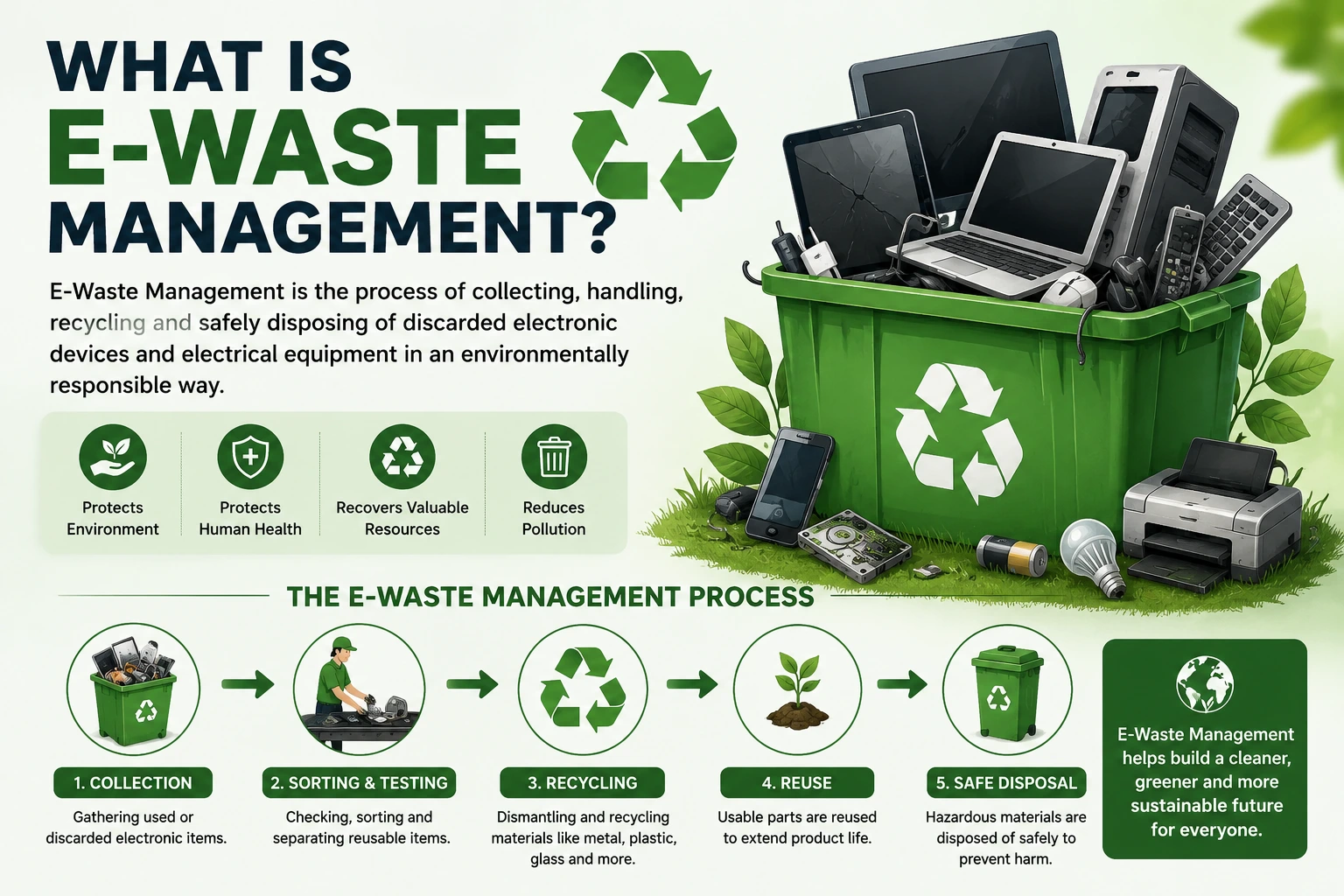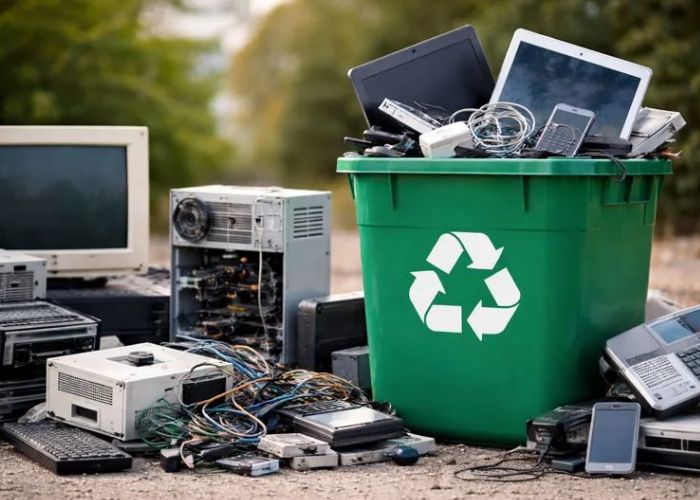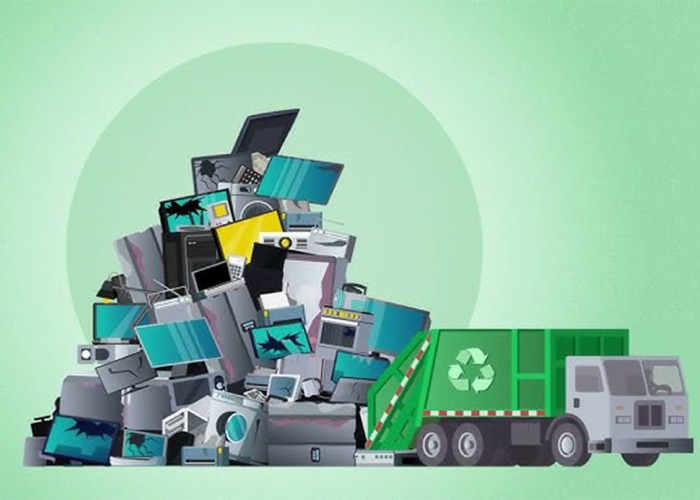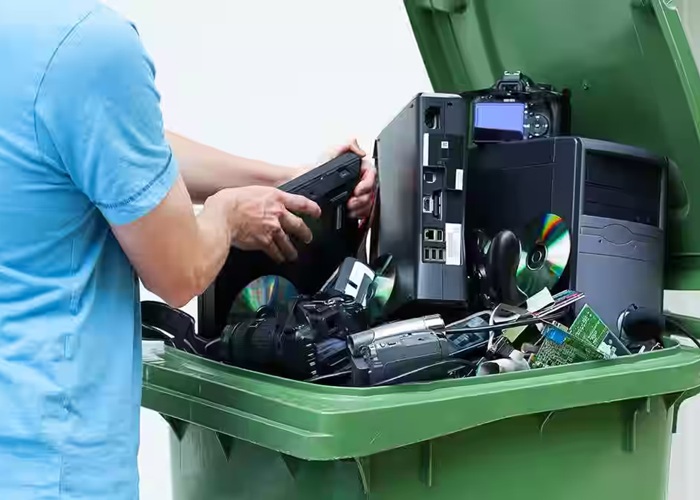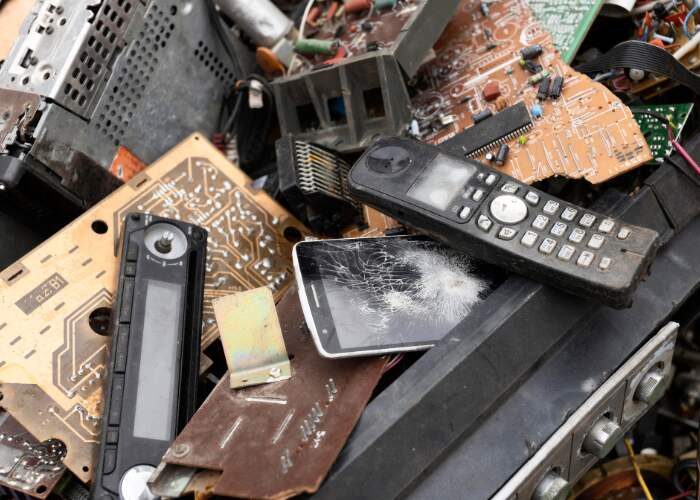
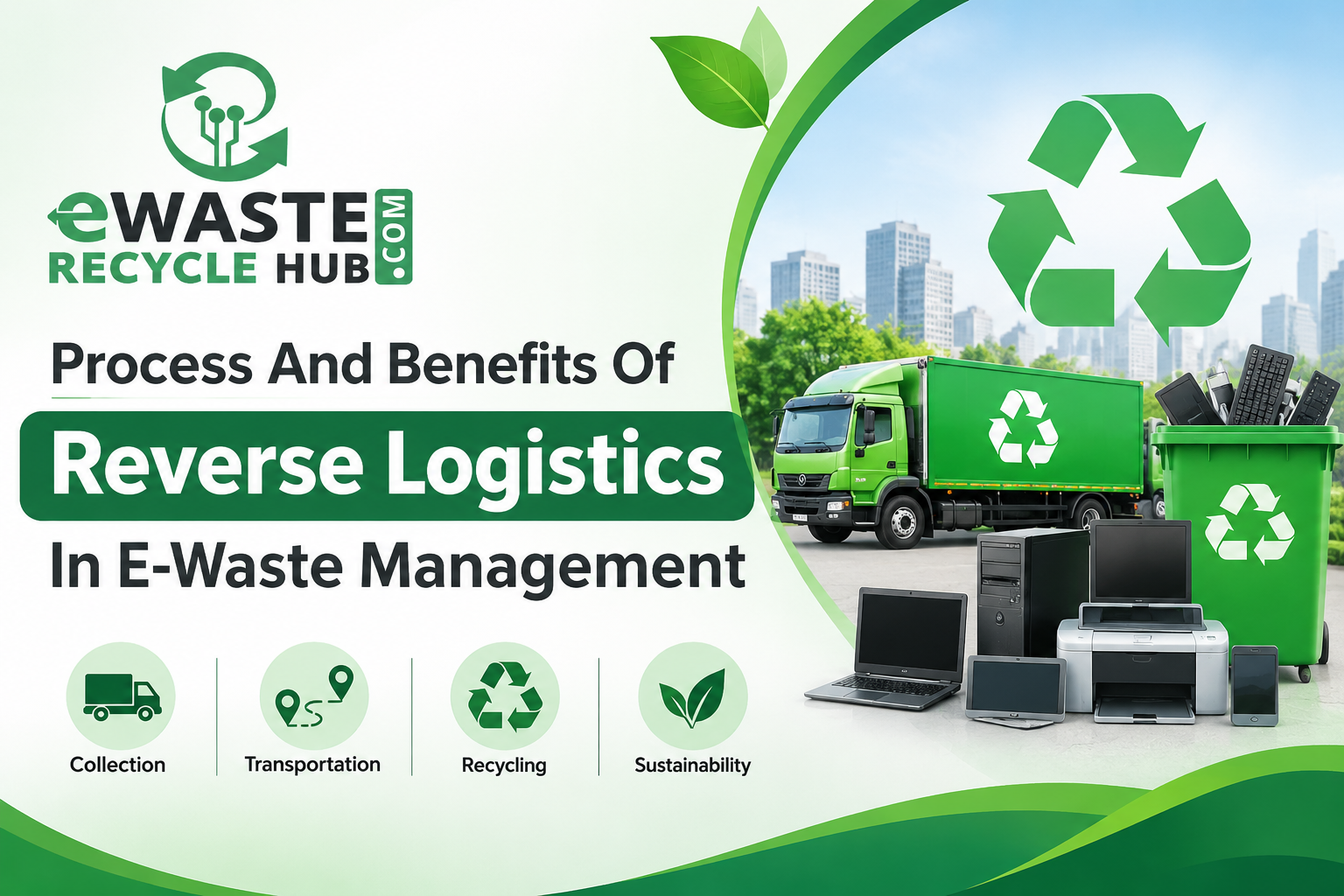
As businesses replace their electronic devices and equipment, e.g. computers, laptops, printers, and servers, they generate e-waste, which must be properly collected and transported to a processing facility.
Managing e-waste goes beyond recycling old devices. There is also the task of collecting outdated electronic devices and transporting them to a recycling center.
Reverse logistics helps businesses collect, transport and deliver used or unwanted electronics to recycling centers.
We at E-Waste Recycle Hub, help businesses in India with customized reverse logistics, where we provide them with an extensive collection network, safe transportation, and logistics services.
What Is Reverse Logistics In E-Waste Management?
Reverse logistics in e-waste management involves transporting used or unwanted electronics from customers or businesses to collection centers, warehouses, refurbishment centers, or recycling centers.
In the context of traditional logistics, where the focus is transporting goods from the manufacturer to the consumer, reverse logistics focuses on moving goods in the opposite direction.
In e-waste management, reverse logistics focuses on ensuring that used electronics get to the right facilities for refurbishing, recycling, or responsible disposal.
Some of the activities of reverse logistics in e-waste management include:
- Collection or pick up of e-waste and scheduling appointments.
- Transportation of e-waste.
- Delivery of e-waste to a recycling center.
- Sorting and inspection of electronic devices.
- Refurbishment of electronic devices.
- Dismantling and recycling of electronic devices.
An effective reverse logistics system helps businesses to manage e-waste in an efficient manner, while protecting the environment.
The Importance of Reverse Logistics
Because of the environmental risks associated with the collection and transportation of e-waste, reverse logistics becomes very important.
1. Safe E-Waste Collection
Collection and transportation of e-waste require special logistics. Professional logistics service providers can help minimize e-waste damage and offer safer transportation of discarded devices.
2. Lowered Transportation Costs
E-waste collection from multiple locations increases transportation costs. If collection and transportation of e-waste are professionally managed, cost impact on the business can be reduced.
3. Responsible Recycling
Reverse logistics can help in the responsible recycling of e-waste.
4. Enhanced Operational Efficiency
Scheduled pick-up and transportation of e-waste can help businesses manage their e-waste without affecting their operational efficiency.
5. Environmental Protection
Professional collection and transportation of e-waste help reduce the risk of e-waste ending up in unauthorized disposal channels.
How Does the Reverse Logistics Process Work?
There are different processes involved in efficient collection and transportation of discarded electronics.
1. Identifying E-Waste
Electronic waste is analyzed to determine the type and quantity to be collected.
2. Gathering Information
Businesses are required to provide information about the electronic devices that they wish to dispose of.
3. Scheduling Pick-Ups
Pick-ups are scheduled considering the information and location of the business.
4. Safe Collection
Electronic devices are collected by trained personnel using the right methods to ensure safe collection.
5. Secure Transportation
The logistics service provider helps transport the e-waste to the recycling center using safe and reliable means.
5. Sorting and Processing
Electronic products are inspected and sorted at the facility for refurbishing, dismantling, or recycling.
6. Documentation and Reporting
Relevant collection and transportation documentation can aid businesses in maintaining transparency and tracking their e-waste management activities.
Common Obstacles in E-Waste Reverse Logistics
Businesses may encounter numerous obstacles while managing the transportation of electronic waste to different locations.
1. Increased Logistics Costs
The collection of e-waste from numerous locations or cities can increase logistics costs.
2. Geographical Limitations
Collection management across the length and breadth of the country requires an adequate collection center network, as well as reliable and sufficient partner transportation services.
3. Mishandling
E-waste may contain harmful substances that may pose a risk to the environment and human health if not handled properly.
4. Lack of Collection Infrastructure
The absence of adequate collection facilities make it difficult for businesses to transport end-of-life electronic products to authorized treatment facilities.
5. Coordination
Effective management of communication between clients, collection teams, transportation partners, and recycling facilities can be challenging.
How E-Waste Recycle Hub Handles Reverse Logistics
E-Waste Recycle Hub helps businesses collect and transport e-waste from their locations to recycling facilities through tailored reverse logistics solutions.
The company takes care of convenient pick-ups and secure transports and maintains efficient collection management.
1. Presence Throughout India
With collection centers and points spread across the country, E-Waste Recycle Hub supports businesses in collecting e-waste from different areas.
2. Doorstep E-waste Collection
The company offers doorstep e-waste collection service and thus helps businesses avoid the burden of arranging e-waste collection and transportation.
e-waste collection is to occur within 96 hours of the appointment being made.
The collection vehicles used are fit for purpose and tested for the transport of electronic waste. The company’s own collection vehicles are used for the transport of the waste when required.
The company uses reputable logistics partners, including FedEx and Gati, for delivery requirements within India.
The company uses a Hub and Spoke model to ensure that customer convenience is met for waste pick-up. An approximate 72 hour process window is communicated post-waste pick-up request.
The call center is open 24 hours a day, 7 days a week for customer support and pick-up, transportation and process related queries.
Professional collection and transport of waste by trained personnel ensures the safe transport of the waste to the concerned facility.
Electronic waste in various forms can be collected using professional reverse logistics.
Types of Electronic Waste Collected
- Computers and IT equipment
- Office equipment and printers
- Communication devices and mobile phones
- Entertainment and television equipment
- Other electronic equipment
- Cables
- Storage Devices
Electronic devices
Benefits of Reverse Logistics for Businesses
Reverse logistics has several advantages for businesses that regularly generate electronic waste.
1. Efficient Waste Management
An organized collection system helps business manage waste transportation cost effectively.
2. Convenient Collection
Businesses can arrange for the collection of electronic waste from their location without having to worry about the transportation.
3. Improved Waste Tracking
Collection and transportation of electronic waste is done in an organized way, which helps to keep a track of movement of electronic waste.
4. Support for Implementation of EPR
Reverse logistics can be of great help to the producers to set up collection systems as part of the Extended Producer Responsibility.
5. Improved Resource Recovery
Through reverse logistics electronic waste is transported to the right facilities to help recover valuable resources by way of recycling.
Conclusion
Reverse logistics forms an essential part of the electronic waste management system. It helps to collect and transport discarded electronic devices from the generators to the recycling and refurbishing facilities.
For businesses having operation across various locations, reverse logistics helps to simplify transportation, manage business operations effectively and handle electronic waste in an appropriate manner.
E-Waste Recycle Hub provides reverse logistics services as per individual requirements across India through its collection system, specialized vehicles and third party logistics.
By opting for reverse logistics services, businesses can help enhance e-waste management by the companies and improve resource recovery.
Frequently Asked Questions
1. What is the significance of reverse logistics for e-waste recycling?
Reverse logistics helps establish a secure system for collection and transportation of e-waste for responsible recycling and material recovery.
2. What is your pick up timeline?
Usually, we are able to collect e-waste within 96 hours from the appointment time, depending on the operational situation.
3. Does E-Waste Recycle Hub offer pick up services throughout India?
Yes, we have collection centers, collection points, and logistics partners throughout India.
4. What types of electronics can you collect?
We can collect computers, laptops, printers, servers, mobile phones, TVs, and other electronics including networking equipment.
5. How reverse logistics helps cut down transportation costs?
With efficient planning, and logistics partnerships, an organized collection network reduces unnecessary transportation costs.
6. What is the role of reverse logistics in a circular economy?
It helps make a closed-loop system by collecting used electronics for either reuse or recycling.
-

Secure Data Destruction: Protect Your Business Data
November 19, 2026 -
Understanding The Process And Benefits Of Reverse Logistics
November 19, 2026 -
Refurbished IT Equipment: Benefits & Uses
October 29, 2026 -
EPR Compliance for E-Waste in India: Guide for Businesses
October 26, 2026 -
Certified E-Waste Recycling in India: Process & Benefits
October 20, 2026 -
The Growing E-Waste Crisis in 2026: Why Responsible Electronics Recycling Is More Important Than Ever
August 3, 2026 -
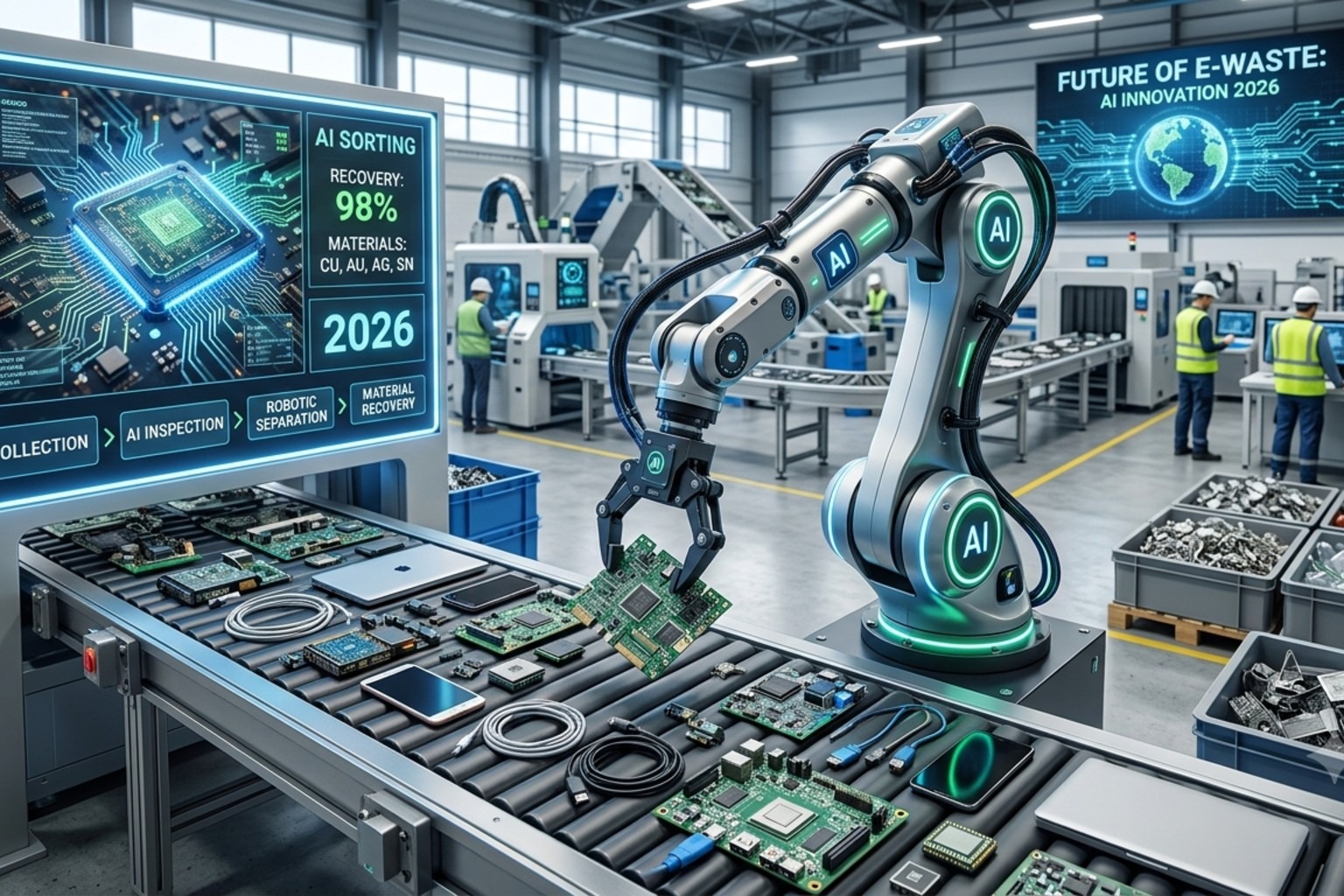
AI-Powered E-Waste Recycling in 2026: How Smart Technology is Revolutionizing Electronic Waste Management
July 7, 2026 -
EPR CPCB E-Waste Revolution: How Responsible Recycling is Transforming India’s Green Future
June 15, 2026 -
Complete Guide to Safe Laptop, Mobile & Battery Disposal in India (2026)
June 3, 2026 -
What is E-Waste Management and Why is It Important?
May 6, 2026 -
EPR for E-Waste: Rules, Registration Process & Compliance Guide for Producers
March 3, 2026 -
The Growing Problem of Electronic Waste and the Need for Responsible Recycling
January 12, 2026 -
How Proper E-Waste Recycling Helps Protect the Environment and Human Health
December 16, 2025 -
E-Waste Management in India: Challenges, Solutions, and Future Scope
December 11, 2025 -
Secure Data Destruction: Protecting Your Privacy While Recycling
November 24, 2025 -
How Recycling E-Waste Management Helps Protect the Environment
November 6, 2025 -
Secure Computer Data Destruction: Everything You Need to Know
September 3, 2025 -
Top 10 Electronics You Didn’t Know You Could Recycle
August 26, 2025 -
EPR CPCB E-Waste: A Complete Guide to Electronics Recycling
August 19, 2025 -
Best IT Recycling Solutions for Businesses
August 12, 2025 -
2025 EPR Rules for E-Waste: How to Stay Compliant and Avoid Penalties
August 5, 2025 -
E-Waste Management: Solutions for Electric Waste Disposal
July 30, 2025 -
What Are The Ways To Efficiently Manage Commercial Waste For Businesses?
July 24, 2025 -
How to Fulfill Your E-Waste EPR Compliance in 2025
July 15, 2025 -
Corporate Responsibility: Implementing Sustainable E-Waste Management
May 28, 2024 -
Making Greener Choices: Exploring the Benefits of Refurbished Electronics
May 28, 2024 -
The Environmental Impact of E-Waste: Understanding the Need for Responsible Recycling
May 28, 2024 -
How to Properly Dispose of Your Old Electronics: A Step-by-Step Guide
May 27, 2024 -
E-Waste Recycling: A Step-by-Step Guide for Responsible Disposal
May 27, 2024