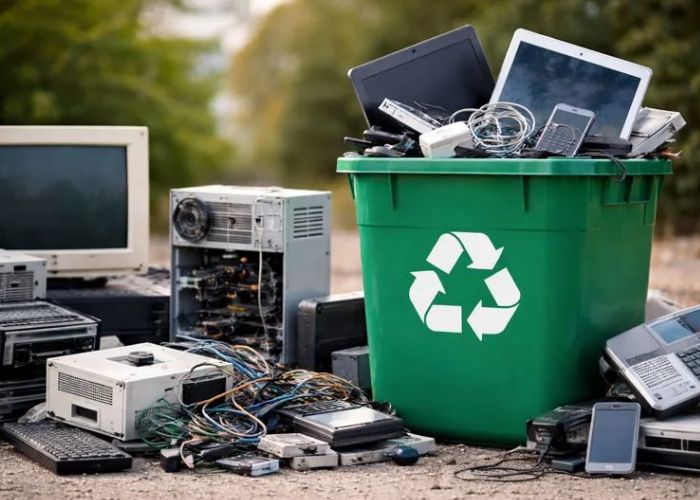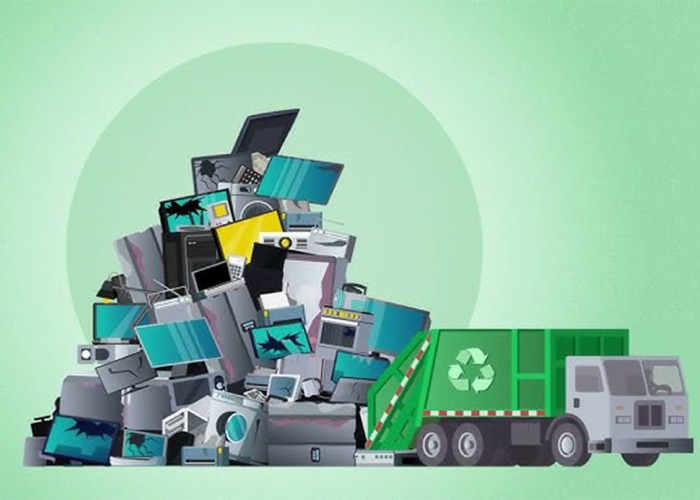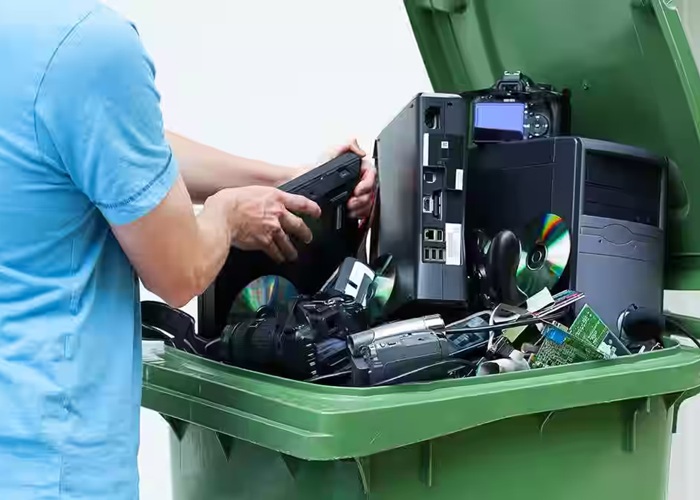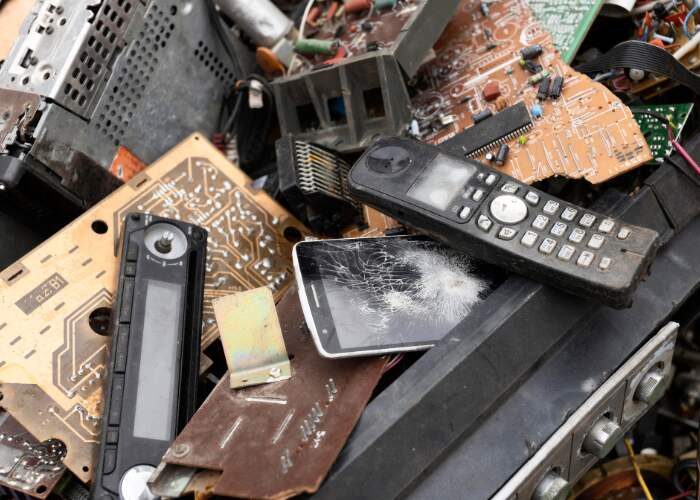
Electronic devices have become an essential part of our everyday lives. From computers and laptops to mobile phones, printers, servers, and other electrical equipment, businesses and individuals depend heavily on technology. However, when these devices become outdated, damaged, or unusable, their disposal becomes an important environmental concern.
Improper disposal of electronic waste can release harmful substances into the environment, affecting soil, water, and human health. It can also result in the loss of valuable materials that could otherwise be recovered and reused.
This is why certified e-waste recycling plays an important role in responsible electronic waste management. It ensures that discarded electronic equipment is collected, processed, and recycled through appropriate procedures while maintaining the necessary compliance documentation.
E-Waste Recycle Hub provides certified recycling services that help businesses and organisations manage their electronic waste responsibly. Through safe disposal procedures and compliance support, the company helps clients maintain proper records and contributes to sustainable waste management.
You may also visit this Article :- EPR Compliance for E-Waste in India: Guide for Businesses
What Is Certified E-Waste Recycling?
Certified e-waste recycling is the process of collecting, handling, dismantling, and recycling discarded electrical and electronic equipment through authorised and environmentally responsible recycling facilities.
Unlike ordinary waste disposal, certified electronics recycling follows established procedures to ensure that electronic waste is managed safely and valuable materials are recovered wherever possible.
The process involves several important activities, including:
- Safe collection and transportation of electronic waste.
- Proper sorting and identification of electronic equipment.
- Responsible dismantling and material segregation.
- Recovery of reusable and valuable materials.
- Environmentally responsible treatment and disposal.
- Maintenance of necessary recycling records and documentation.
A certified e-waste recycling company also provides relevant documentation to clients as evidence of safe disposal and recycling activities.
Why Is Certified E-Waste Recycling Important?
Electronic waste contains both valuable resources and potentially hazardous materials. Without proper management, discarded electronics can become a significant environmental threat.
Choosing a professional e-waste recycling service offers several benefits.
1. Prevents Environmental Pollution
Electronic equipment may contain substances such as lead, mercury, and cadmium. Improper disposal can cause these materials to contaminate soil and water.
Certified e-waste recycling ensures that electronic waste is handled through appropriate processes, reducing the risk of environmental contamination.
2. Supports Responsible Waste Management
A professional recycling facility follows organised collection, sorting, dismantling, and recycling procedures.
This helps businesses avoid irresponsible disposal practices and ensures that discarded electronic equipment enters an appropriate recycling system.
3. Helps Recover Valuable Materials
Electronic devices contain materials such as copper, aluminium, gold, silver, and other recoverable resources.
Through professional recycling and material segregation, these resources can be recovered and reintroduced into the manufacturing supply chain.
4. Supports Regulatory Compliance
Businesses handling electronic waste need to understand and follow applicable environmental regulations.
Working with an authorised e-waste recycler helps organisations maintain relevant disposal records and supporting documentation as required.
5. Encourages Sustainable Business Practices
Responsible electronics recycling demonstrates an organisation’s commitment to environmental protection.
It also supports corporate sustainability initiatives and encourages the efficient use of natural resources.
What Is a Green Certificate in E-Waste Recycling?
A Green Certificate is an important document provided to clients after the safe disposal or recycling of their electronic waste.
It serves as evidence that the discarded electronic equipment has been handed over for responsible processing through the recycling service provider.
For businesses, this documentation is useful for maintaining internal environmental records and demonstrating responsible waste management practices.
E-Waste Recycle Hub provides a Green Certificate or Destruction Certificate to clients after the safe disposal or destruction of their e-waste.
Why Is a Green Certificate Important?
A Green Certificate offers several practical benefits for businesses.
- Disposal Documentation: Provides supporting evidence of electronic waste disposal.
- Environmental Responsibility: Demonstrates the organisation’s commitment to responsible recycling.
- Record Maintenance: Helps maintain records of discarded electronic equipment.
- Business Transparency: Supports transparency in the e-waste disposal process.
- Compliance Support: Helps organisations maintain relevant documentation for applicable environmental requirements.
It is important to understand that a Green Certificate does not automatically replace statutory registrations, filings, or other regulatory approvals required under applicable rules.
What Is a Destruction Certificate?
A Destruction Certificate is a document issued after electronic equipment or specified assets have undergone an approved destruction process.
Businesses often need this documentation when disposing of obsolete IT assets, damaged equipment, storage devices, and other electronic materials.
It helps organisations maintain evidence that the identified assets have been destroyed or processed according to the agreed disposal procedure.
Green Certificate vs Destruction Certificate
Both certificates support responsible electronic waste management, but their purposes may differ.
| Green Certificate | Destruction Certificate |
| Supports documentation of safe e-waste disposal and recycling. | Records the destruction of specified electronic assets or materials. |
| Focuses on responsible recycling and disposal. | Focuses on the destruction process. |
| Helps maintain environmental disposal records. | Helps maintain asset destruction records. |
The appropriate documentation depends on the nature of the material and the service performed.
How Does the Certified E-Waste Recycling Process Work?
Certified electronics recycling involves multiple stages to ensure that discarded electronic products are handled safely and processed responsibly.
Let’s understand the major steps involved.
1. E-Waste Collection and Assessment
The first step involves identifying the type and quantity of electronic waste that needs to be recycled.
Businesses may have different types of discarded equipment, such as:
- Desktop computers and laptops.
- Computer servers and networking equipment.
- Printers, scanners, and photocopiers.
- Mobile phones and tablets.
- Monitors and televisions.
- Keyboards, cables, and electronic accessories.
The collected information helps determine the appropriate handling and transportation requirements.
2. Safe Transportation of Electronic Waste
After the initial assessment, electronic waste is collected from the designated location.
Specialised vehicles and appropriate handling procedures help ensure that electronic equipment is transported safely to the recycling facility.
3. Sorting and Inspection
Once the material reaches the recycling facility, it is sorted and inspected by trained professionals.
Equipment is assessed to identify reusable components, recyclable materials, and items that require specialised handling.
4. Dismantling and Shredding
Electronic products are dismantled carefully to separate different components.
Where required, suitable materials are shredded into smaller pieces to make further segregation and processing easier.
5. Material Segregation and Recovery
After dismantling and shredding, materials are separated into different categories.
These may include:
- Copper and aluminium.
- Ferrous and non-ferrous metals.
- Plastics.
- Electronic components.
- Other recoverable materials.
The recovered materials can then be directed towards appropriate recycling and recovery processes.
6. Environmentally Responsible Processing
The segregated materials undergo appropriate treatment, recycling, or disposal according to their characteristics and applicable environmental requirements.
This stage helps reduce the environmental impact associated with discarded electronic equipment.
7. Issuance of Recycling Documentation
After the relevant recycling or destruction activities are completed, the service provider issues applicable documentation to the client.
E-Waste Recycle Hub provides Green Certificates or Destruction Certificates after safe disposal or destruction of e-waste, helping clients maintain their disposal records.
Which Electronic Items Can Be Recycled Through Certified Recycling Services?
Many types of electrical and electronic equipment can be managed through professional e-waste recycling services.
Some common examples include:
1. Computer and IT Equipment
- Desktop computers.
- Laptops and notebooks.
- Computer monitors.
- Keyboards and mice.
- Servers and storage devices.
- Networking equipment.
2. Office Electronic Equipment
- Printers and scanners.
- Photocopiers.
- Fax machines.
- Telephone systems.
- Electronic office accessories.
3. Communication Devices
- Mobile phones.
- Tablets.
- Chargers and adapters.
- Communication equipment.
- Electronic cables and accessories.
4. Entertainment Electronics
- Televisions.
- DVD players.
- Audio systems.
- Speakers.
- Video game systems.
- Cameras and related equipment.
The acceptance and handling requirements may vary depending on the type of equipment and applicable recycling guidelines.
Who Needs Certified E-Waste Recycling Services?
Certified e-waste recycling is important for organisations that regularly generate electronic waste through their business operations.
The following sectors can benefit from professional recycling services.
1. IT Companies
IT organisations frequently upgrade computers, servers, networking equipment, and other electronic assets. Certified recycling helps them manage outdated equipment responsibly.
2. Corporate Offices
Large offices generate electronic waste through regular technology upgrades, equipment replacement, and infrastructure changes.
Professional recycling helps maintain organised disposal records.
3. Manufacturing Companies
Manufacturing businesses may generate electronic waste from production equipment, electrical components, and obsolete machinery.
Proper recycling helps manage these materials through appropriate waste management channels.
4. Educational Institutions
Schools, colleges, universities, and training centres regularly replace computers, printers, laboratory equipment, and other electronic devices.
Certified recycling provides an organised way to manage these discarded assets.
5. Government Departments and Public Sector Organisations
Government offices and public institutions often handle electronic equipment containing important organisational information.
Responsible disposal, appropriate data security measures, and proper documentation are essential when retiring such assets.
6. Traders and Bulk Consumers
Businesses involved in handling or generating substantial quantities of electronic waste can benefit from organised collection, recycling, and disposal documentation.
Why Choose E-Waste Recycle Hub for Certified Recycling?
Selecting the right recycling partner is essential for ensuring that electronic waste is handled responsibly and the necessary documentation is maintained.
E-Waste Recycle Hub provides professional certified recycling services designed to support businesses, IT companies, traders, manufacturers, and bulk consumers.
Here are some important features of its services.
1. Compliance with CPCB Guidelines
E-Waste Recycle Hub focuses on providing the necessary compliance documentation in accordance with applicable CPCB guidelines.
Its sustainability team helps streamline the documentation process for clients.
2. Green Certificate and Destruction Certificate
Clients receive a Green Certificate or Destruction Certificate after the safe disposal or destruction of their electronic waste, as applicable.
These documents help organisations maintain proper disposal records.
The company identifies itself as a government-authorised recycler and emphasises responsible e-waste handling in accordance with applicable regulations.
4. Dedicated Sustainability Team
A dedicated sustainability team manages relevant documentation and compliance-related requirements to support a streamlined client experience.
5. Environmentally Responsible Recycling
The organisation focuses on recovering reusable resources from discarded electronics while ensuring that recycling activities are carried out through appropriate processes.
6. Professional E-Waste Management
With trained professionals and organised recycling operations, E-Waste Recycle Hub supports businesses in managing electronic waste more systematically.
How Certified Recycling Supports a Circular Economy
A circular economy focuses on reducing waste, extending product lifecycles, and recovering valuable materials instead of continuously depending on new natural resources.
Certified e-waste recycling contributes to this approach by ensuring that discarded electronic equipment is managed through appropriate recovery and recycling systems.
1. Resource Conservation
Recovering valuable metals and other materials reduces the demand for extracting fresh natural resources.
2. Reduced Landfill Waste
Responsible recycling diverts suitable electronic waste away from improper disposal and helps reduce the burden on landfills.
3. Improved Material Recovery
Professional dismantling and segregation allow valuable materials to be recovered for further processing and reuse.
4. Environmental Sustainability
Proper recycling reduces the risks associated with uncontrolled electronic waste disposal and supports a cleaner environment.
5. Responsible Consumption
Certified recycling encourages businesses and consumers to think beyond purchasing new electronics and consider the complete lifecycle of their devices.
Conclusion
Certified e-waste recycling is an essential part of responsible electronic waste management. It helps prevent environmental pollution, recover valuable resources, maintain disposal documentation, and encourage sustainable business practices.
For businesses, choosing an appropriate recycling partner is equally important. From safe collection and transportation to dismantling, material recovery, and certificate issuance, every stage should be managed responsibly.
E-Waste Recycle Hub offers certified recycling services with a focus on safe e-waste disposal, CPCB-related compliance documentation, and the issuance of Green Certificates or Destruction Certificates.
By choosing responsible electronics recycling, businesses can manage their discarded IT assets more effectively while contributing to a cleaner and more sustainable future.
Frequently Asked Questions
1. What is certified e-waste recycling?
Certified e-waste recycling involves collecting, dismantling, and processing discarded electronics through appropriate recycling facilities and procedures to ensure responsible disposal.
2. What is a Green Certificate in e-waste recycling?
A Green Certificate is provided after the safe disposal or recycling of electronic waste. It helps businesses maintain records of responsible e-waste management.
3. What is a Destruction Certificate?
A Destruction Certificate documents the destruction of specified electronic assets or materials through an applicable destruction process.
4. Which electronic items can be recycled?
Computers, laptops, servers, printers, mobile phones, monitors, televisions, and other electronic equipment can be managed through appropriate recycling services.
5. Why should businesses choose certified e-waste recycling?
It helps businesses manage electronic waste responsibly, recover valuable materials, reduce environmental risks, and maintain relevant disposal documentation.
6. Does E-Waste Recycle Hub provide a Green Certificate?
Yes. E-Waste Recycle Hub provides a Green Certificate or Destruction Certificate to clients after the safe disposal or destruction of their e-waste.
7. How does certified e-waste recycling protect the environment?
It helps prevent improper electronic waste disposal, reduces pollution risks, conserves natural resources, and supports responsible material recovery.
-

Refurbished IT Equipment: Benefits & Uses
October 29, 2026 -
EPR Compliance for E-Waste in India: Guide for Businesses
October 26, 2026 -
Certified E-Waste Recycling in India: Process & Benefits
October 20, 2026 -
The Growing E-Waste Crisis in 2026: Why Responsible Electronics Recycling Is More Important Than Ever
August 3, 2026 -
AI-Powered E-Waste Recycling in 2026: How Smart Technology is Revolutionizing Electronic Waste Management
July 7, 2026 -
EPR CPCB E-Waste Revolution: How Responsible Recycling is Transforming India’s Green Future
June 15, 2026 -
Complete Guide to Safe Laptop, Mobile & Battery Disposal in India (2026)
June 3, 2026 -
What is E-Waste Management and Why is It Important?
May 6, 2026 -
EPR for E-Waste: Rules, Registration Process & Compliance Guide for Producers
March 3, 2026 -
The Growing Problem of Electronic Waste and the Need for Responsible Recycling
January 12, 2026 -
How Proper E-Waste Recycling Helps Protect the Environment and Human Health
December 16, 2025 -
E-Waste Management in India: Challenges, Solutions, and Future Scope
December 11, 2025 -
Secure Data Destruction: Protecting Your Privacy While Recycling
November 24, 2025 -
How Recycling E-Waste Management Helps Protect the Environment
November 6, 2025 -
Secure Computer Data Destruction: Everything You Need to Know
September 3, 2025 -
Top 10 Electronics You Didn’t Know You Could Recycle
August 26, 2025 -
EPR CPCB E-Waste: A Complete Guide to Responsible Electronics Recycling
August 19, 2025 -
Best IT Recycling Solutions for Businesses
August 12, 2025 -
2025 EPR Rules for E-Waste: How to Stay Compliant and Avoid Penalties
August 5, 2025 -
E-Waste Management: Solutions for Electric Waste Disposal
July 30, 2025 -
What Are The Ways To Efficiently Manage Commercial Waste For Businesses?
July 24, 2025 -
How to Fulfill Your E-Waste EPR Compliance in 2025
July 15, 2025 -
Corporate Responsibility: Implementing Sustainable E-Waste Management
May 28, 2024 -
Making Greener Choices: Exploring the Benefits of Refurbished Electronics
May 28, 2024 -
The Environmental Impact of E-Waste: Understanding the Need for Responsible Recycling
May 28, 2024 -
How to Properly Dispose of Your Old Electronics: A Step-by-Step Guide
May 27, 2024 -
E-Waste Recycling: A Step-by-Step Guide for Responsible Disposal
May 27, 2024