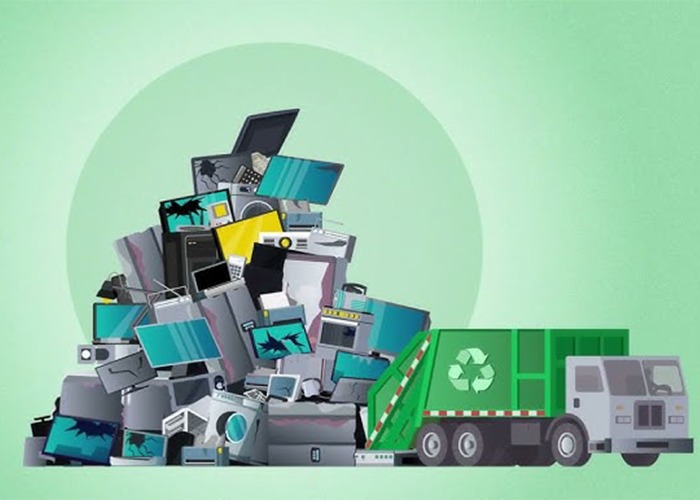
As India continues its rapid digital transformation, the use of electronic devices has become an integral part of everyday life. Smartphones, laptops, servers, televisions, and countless other electronic products are being purchased and replaced at an unprecedented rate. While technological advancement drives economic growth and innovation, it also creates a significant challenge—the growing volume of electronic waste, commonly known as e-waste.
India is among the world’s largest generators of e-waste, making responsible management of discarded electronics a national priority. To address this challenge, the Government of India has introduced a robust regulatory framework through Extended Producer Responsibility (EPR) and strengthened oversight by the Central Pollution Control Board (CPCB). These initiatives are transforming the country’s approach to electronic waste management and paving the way for a greener, more sustainable future.
The EPR CPCB e-waste revolution is not just about compliance; it is about creating a circular economy where old electronics are responsibly collected, recycled, and converted into valuable resources that can be used again.
Understanding the Growing E-Waste Challenge in India
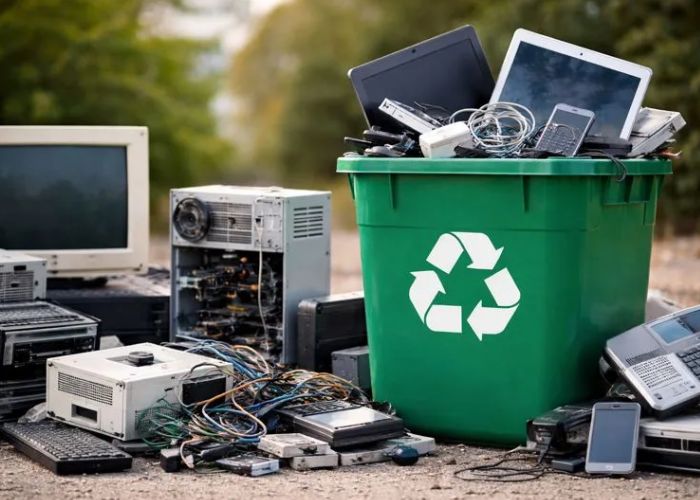
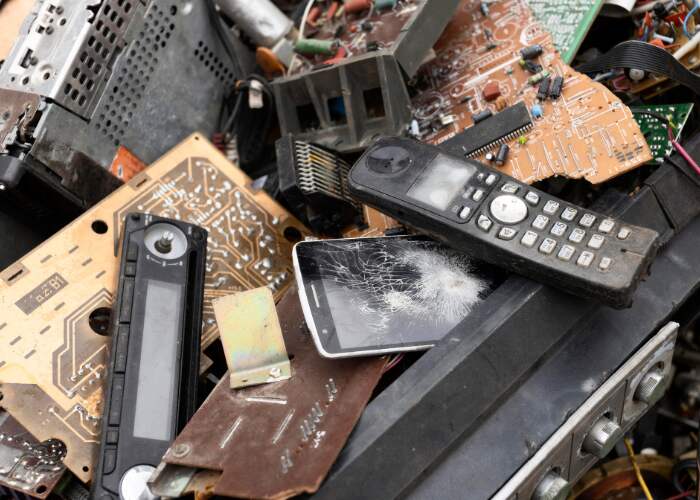
Electronic waste includes discarded electrical and electronic equipment such as:
- Mobile phones
- Computers and laptops
- Printers and scanners
- Televisions
- Networking equipment
- Data center hardware
- Household electronic appliances
As technology evolves, product life cycles become shorter, resulting in a higher volume of obsolete devices. When improperly disposed of, these products can release harmful substances into the environment, affecting soil quality, water resources, and public health.
At the same time, electronic products contain valuable materials such as copper, aluminum, steel, and precious metals that can be recovered through scientific recycling processes. This creates an opportunity to transform waste into valuable resources while reducing environmental impact.
What is Extended Producer Responsibility (EPR)?
Extended Producer Responsibility (EPR) is a policy framework that makes producers responsible for managing their products after they reach the end of their useful life.
Under EPR regulations, producers, importers, and brand owners are required to ensure that a defined quantity of e-waste generated from their products is collected and recycled through authorized channels.
The primary objectives of EPR include:
- Promoting responsible e-waste collection
- Increasing recycling efficiency
- Reducing environmental pollution
- Encouraging sustainable manufacturing practices
- Supporting resource conservation
- Strengthening India’s circular economy
EPR shifts the responsibility from consumers and local authorities to the entities that place electronic products on the market, ensuring greater accountability throughout the product lifecycle.
The Role of CPCB in India’s E-Waste Revolution
The Central Pollution Control Board (CPCB) serves as the primary regulatory authority responsible for implementing and monitoring e-waste management regulations in India.
Through its digital EPR platform, CPCB enables:
- Registration of producers and recyclers
- Monitoring of EPR obligations
- Tracking of recycling activities
- Generation and verification of recycling certificates
- Compliance reporting
- Transparent management of e-waste transactions
This digital ecosystem has significantly improved transparency and accountability within the e-waste sector, helping India move toward a more organized and environmentally responsible recycling framework.
How Responsible Recycling is Driving India’s Green Future
1. Reducing Environmental Pollution
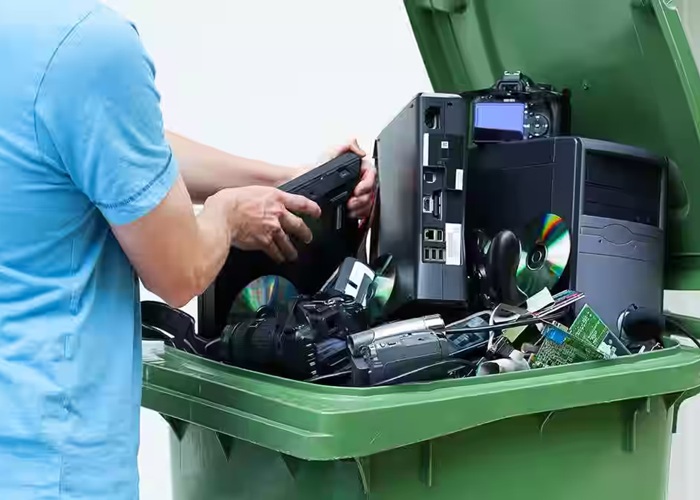
Improper disposal of electronic waste can lead to environmental contamination. Responsible recycling ensures that hazardous components are safely processed while minimizing risks to ecosystems and public health.
By diverting e-waste away from landfills and informal recycling channels, authorized recycling facilities help reduce pollution and support sustainable waste management.
2. Conserving Valuable Natural Resources
Electronic devices contain recoverable materials that can be extracted and reused in manufacturing.
Responsible recycling helps recover:
- Copper
- Aluminum
- Iron
- Gold
- Silver
- Rare earth materials
This reduces dependence on mining activities and lowers the environmental footprint associated with raw material extraction.
3. Supporting the Circular Economy
A circular economy focuses on keeping resources in use for as long as possible.
Through collection, refurbishment, recycling, and material recovery, e-waste management supports a sustainable system where products and materials are continuously reused rather than discarded.
This approach creates long-term environmental and economic benefits.
4. Reducing Carbon Emissions
Recycling materials typically requires less energy than extracting and processing virgin resources.
As recycling rates increase, industries can significantly reduce greenhouse gas emissions, supporting India’s climate and sustainability goals.
The Impact of EPR on Businesses
The implementation of EPR regulations has fundamentally changed how businesses approach electronic waste management.
Organizations are increasingly adopting structured processes to:
- Track electronic assets
- Manage end-of-life equipment
- Ensure regulatory compliance
- Partner with authorized recyclers
- Maintain sustainability reporting standards
Compliance with Ewaste epr fulfilement regulations is no longer simply a legal requirement; it has become an important component of Environmental, Social, and Governance (ESG) initiatives and corporate sustainability programs.
Why Authorized E-Waste Recycling Matters
Choosing an authorized e-waste recycler provides several advantages:
Environmental Protection
Certified recycling facilities follow scientific recycling methods that minimize environmental impact.
Data Security
Professional recyclers ensure secure destruction of sensitive data stored on electronic devices before processing.
Regulatory Compliance
Authorized recyclers provide proper documentation, helping organizations meet regulatory obligations and audit requirements.
Sustainable Resource Recovery
Materials recovered from recycled electronics can be reintroduced into manufacturing processes, reducing waste and conserving resources.
Challenges and Opportunities Ahead
Although India has made significant progress in e-waste management, challenges remain:
- Limited awareness among consumers
- Dependence on informal recycling channels
- Growing volumes of electronic waste
- Need for stronger collection networks
However, these challenges also present opportunities.
With increasing awareness, technological advancements, stronger regulations, and greater participation from businesses and consumers, India is well-positioned to become a global leader in sustainable e-waste management.
Building a Sustainable Future Through Responsible Recycling
The future of India’s environmental sustainability depends on collective action from producers, businesses, recyclers, government agencies, and consumers.
Responsible recycling is not simply a waste management solution—it is an investment in cleaner cities, healthier communities, and a more resource-efficient economy.
Every electronic device that is recycled responsibly contributes to reducing pollution, conserving resources, and supporting India’s transition toward a greener future.
Conclusion
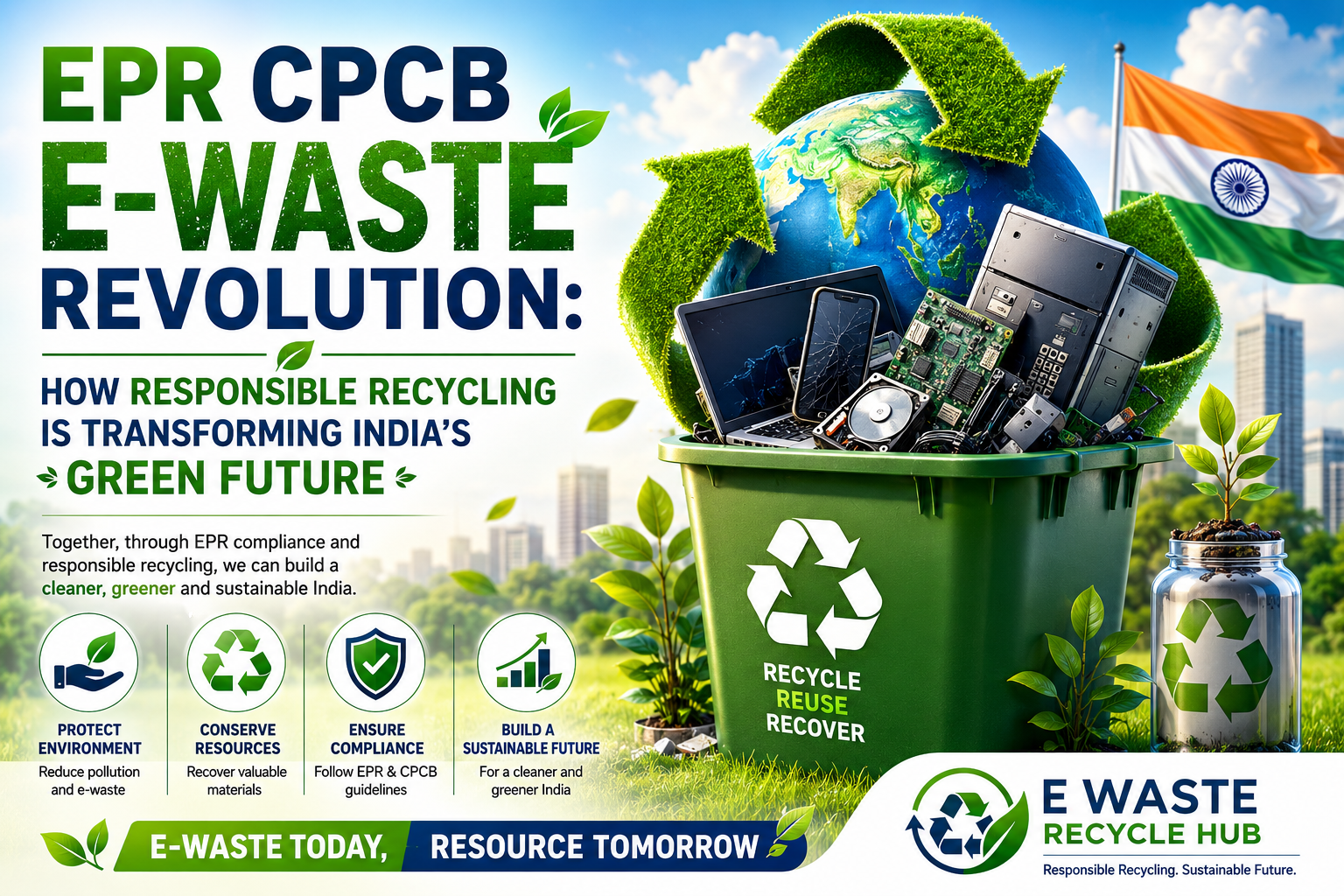
The EPR CPCB e-waste revolution is reshaping India’s approach to electronic waste management. Through stronger regulations, digital compliance systems, and responsible recycling practices, the country is creating a more sustainable and environmentally conscious future.
As organizations increasingly embrace EPR compliance and partner with authorized recyclers, electronic waste is no longer viewed as a problem—it is becoming a valuable resource that supports economic growth, environmental protection, and circular economy development.
At E Waste Recycle Hub, we help businesses and organizations manage e-waste responsibly through compliant collection, recycling, and disposal solutions. By choosing responsible recycling today, we can collectively build a cleaner, greener, and more sustainable India for future generations.
-

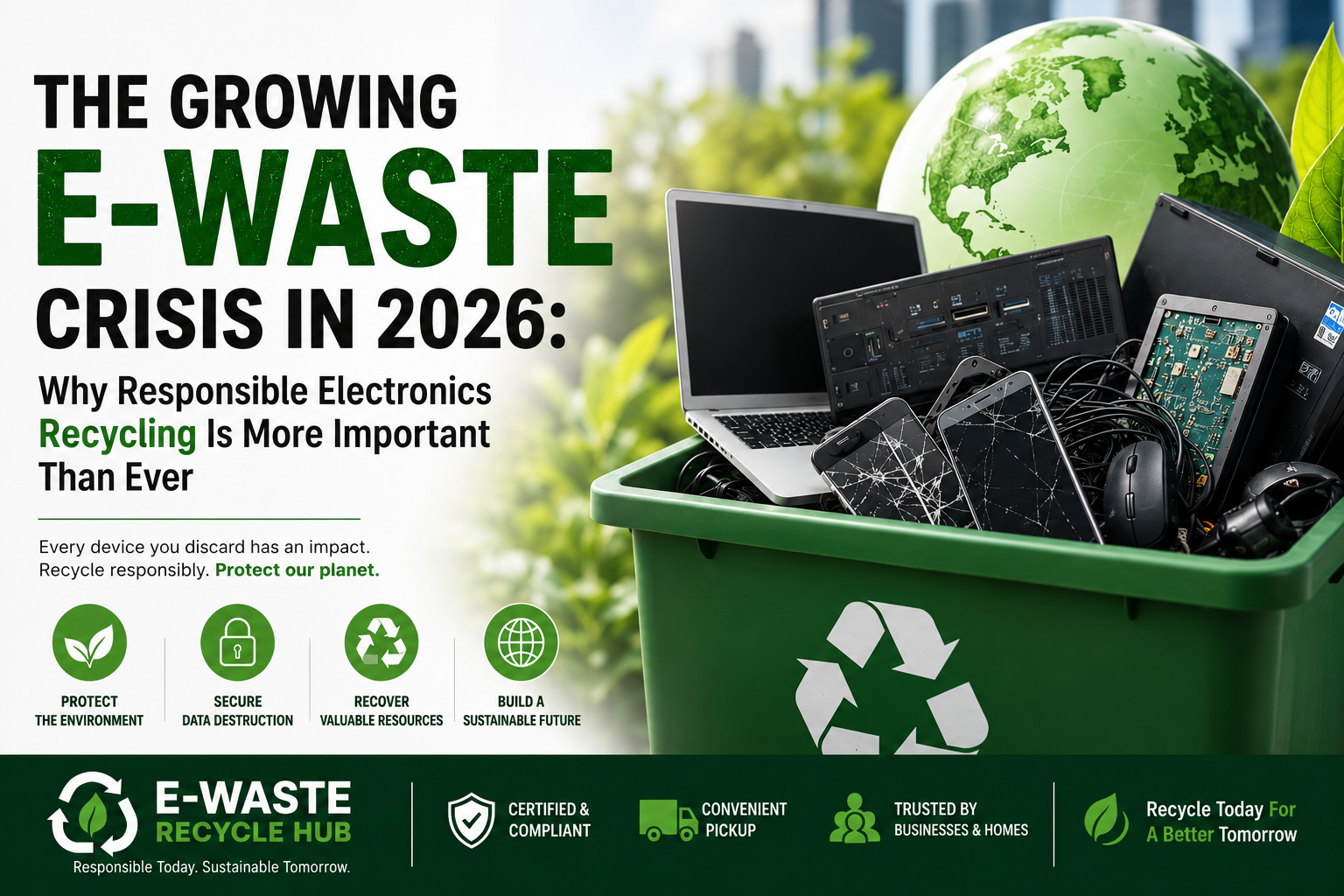
The Growing E-Waste Crisis in 2026: Why Responsible Electronics Recycling Is More Important Than Ever
August 3, 2026 -
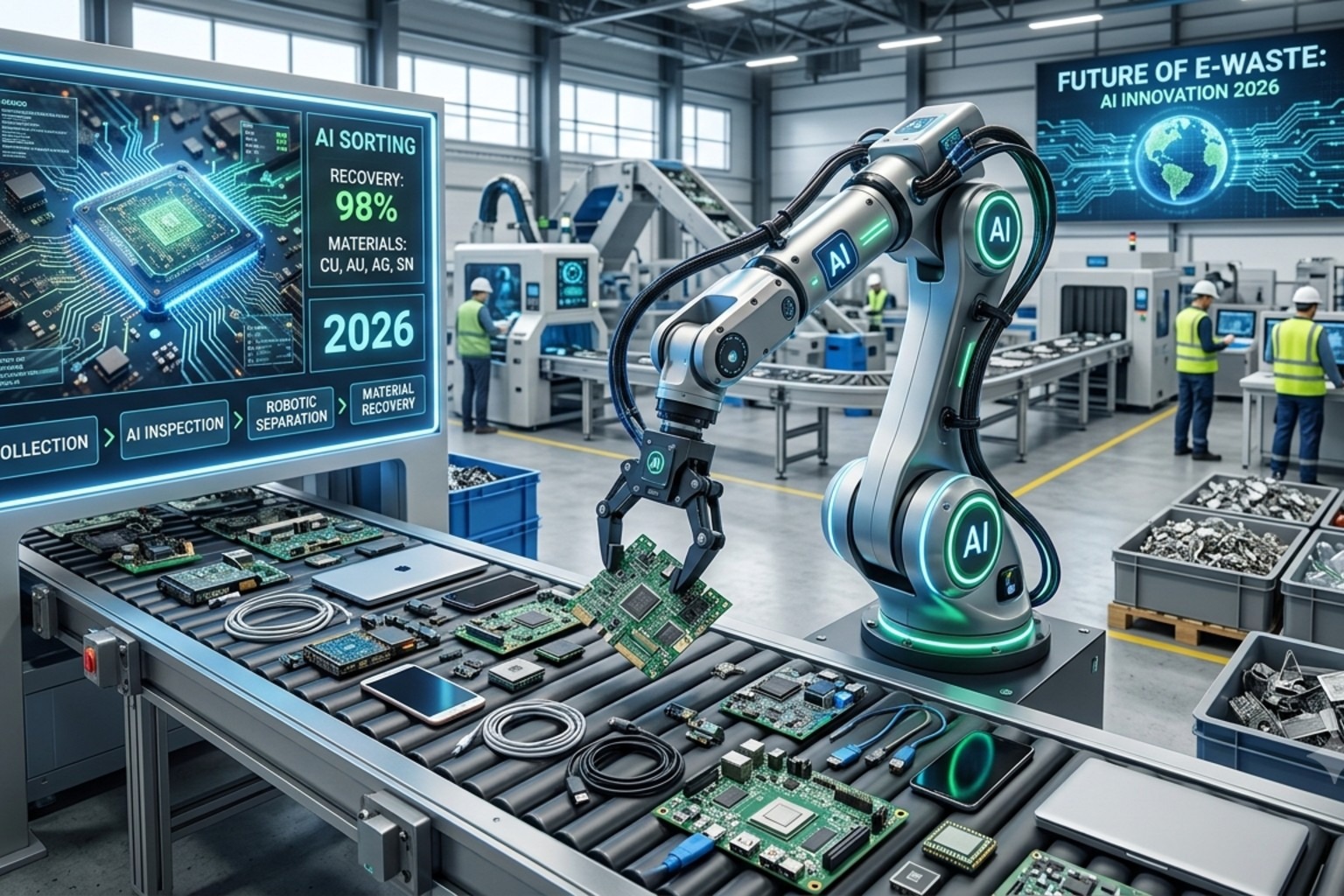
AI-Powered E-Waste Recycling in 2026: How Smart Technology is Revolutionizing Electronic Waste Management
July 7, 2026 -
EPR CPCB E-Waste Revolution: How Responsible Recycling is Transforming India’s Green Future
June 15, 2026 -
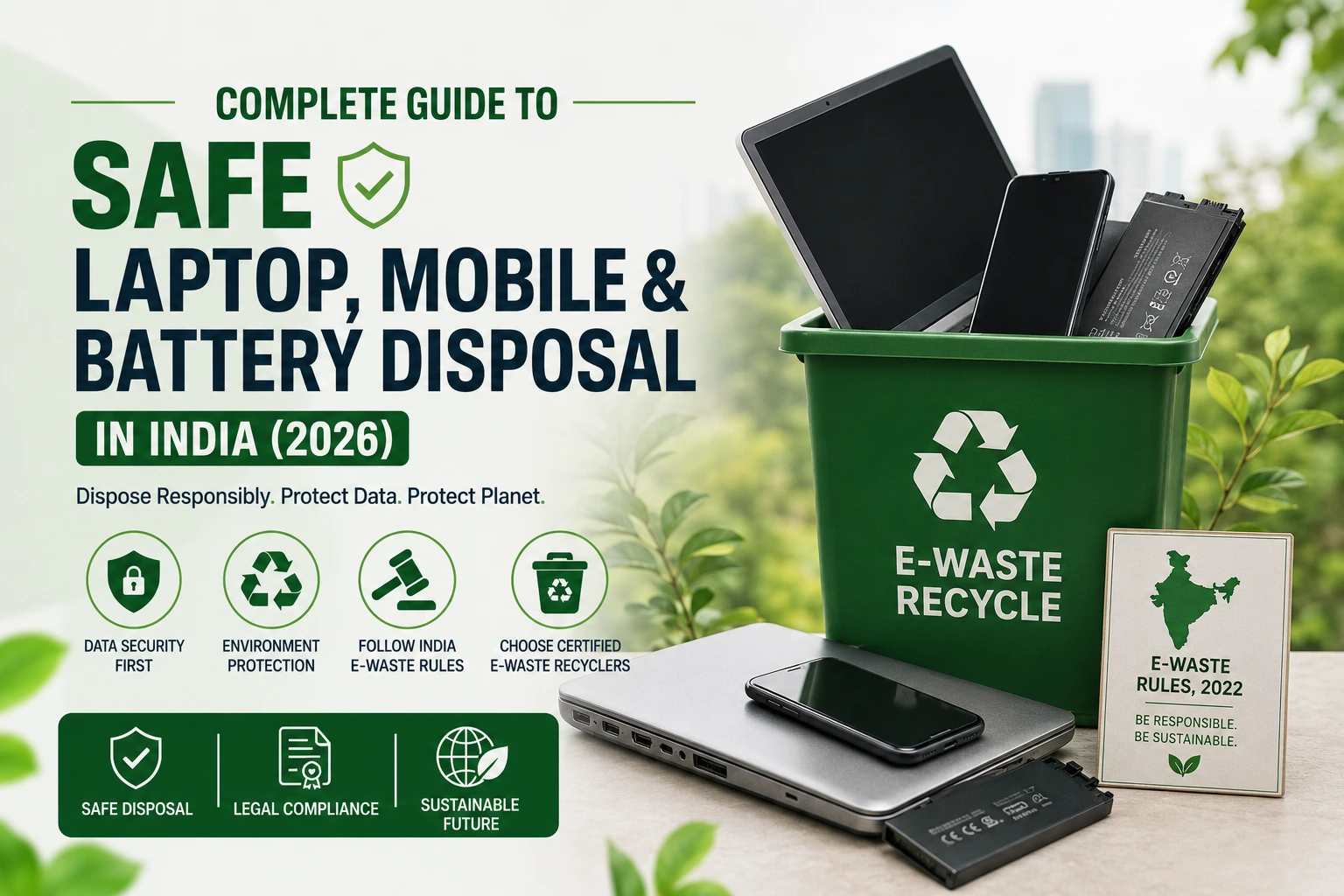
Complete Guide to Safe Laptop, Mobile & Battery Disposal in India (2026)
June 3, 2026 -
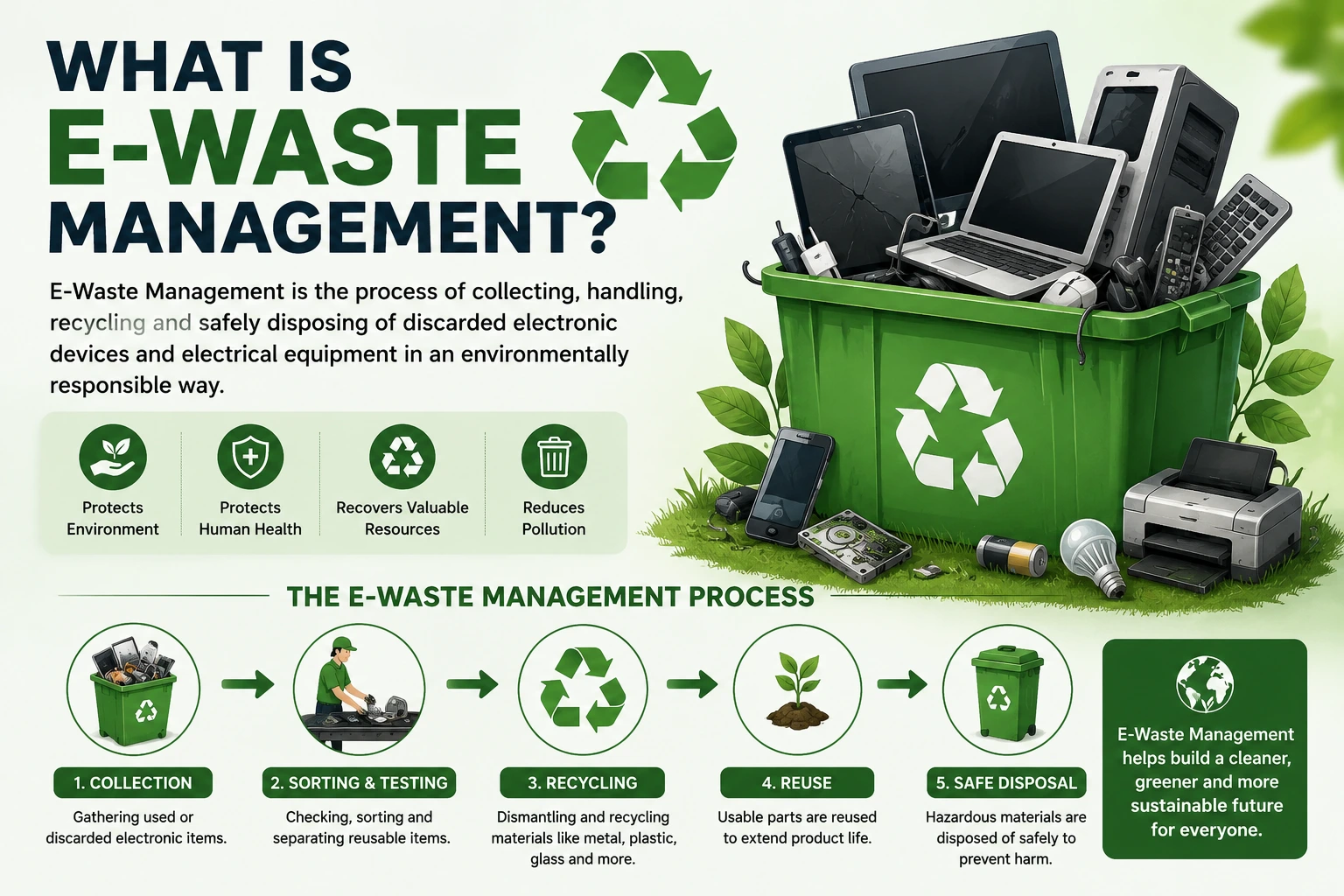
What is E-Waste Management and Why is It Important?
May 6, 2026 -
EPR for E-Waste: Rules, Registration Process & Compliance Guide for Producers
March 3, 2026 -
The Growing Problem of Electronic Waste and the Need for Responsible Recycling
January 12, 2026 -
How Proper E-Waste Recycling Helps Protect the Environment and Human Health
December 16, 2025 -
E-Waste Management in India: Challenges, Solutions, and Future Scope
December 11, 2025 -
Secure Data Destruction: Protecting Your Privacy While Recycling
November 24, 2025 -
How Recycling E-Waste Management Helps Protect the Environment
November 6, 2025 -
Secure Computer Data Destruction: Everything You Need to Know
September 3, 2025 -
Top 10 Electronics You Didn’t Know You Could Recycle
August 26, 2025 -
EPR CPCB E-Waste: A Complete Guide to Responsible Electronics Recycling
August 19, 2025 -
Best IT Recycling Solutions for Businesses
August 12, 2025 -
2025 EPR Rules for E-Waste: How to Stay Compliant and Avoid Penalties
August 5, 2025 -
E-Waste Management: Solutions for Electric Waste Disposal
July 30, 2025 -
What Are The Ways To Efficiently Manage Commercial Waste For Businesses?
July 24, 2025 -
How to Fulfill Your E-Waste EPR Compliance in 2025
July 15, 2025 -
Corporate Responsibility: Implementing Sustainable E-Waste Management
May 28, 2024 -
Making Greener Choices: Exploring the Benefits of Refurbished Electronics
May 28, 2024 -
The Environmental Impact of E-Waste: Understanding the Need for Responsible Recycling
May 28, 2024 -
How to Properly Dispose of Your Old Electronics: A Step-by-Step Guide
May 27, 2024 -
E-Waste Recycling: A Step-by-Step Guide for Responsible Disposal
May 27, 2024