In this modern high-tech world, gadgets play a very important role. Technology progresses at an ever-increasing pace, and modern life involves the use of technology in so many ways. As beneficial as this development is, it also poses a significant problem — the proliferation of electronic waste, or e-waste.
It is now one of the largest and most rapidly growing waste streams throughout the world as well as incorrect handling of electronic wastes can lead to serious environmental problems and risks to human health, and many valuable natural resources are lost. With the increasing use of electronic products among consumers, businesses and governments, responsible recycling of e-waste is more important than ever.
What Is Electronic Waste?
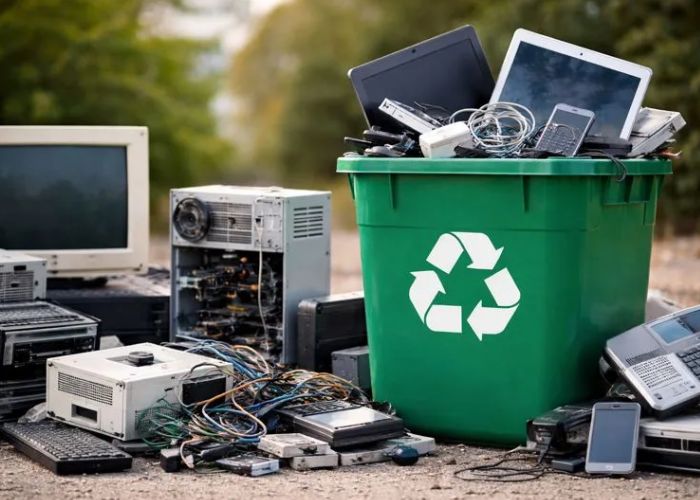
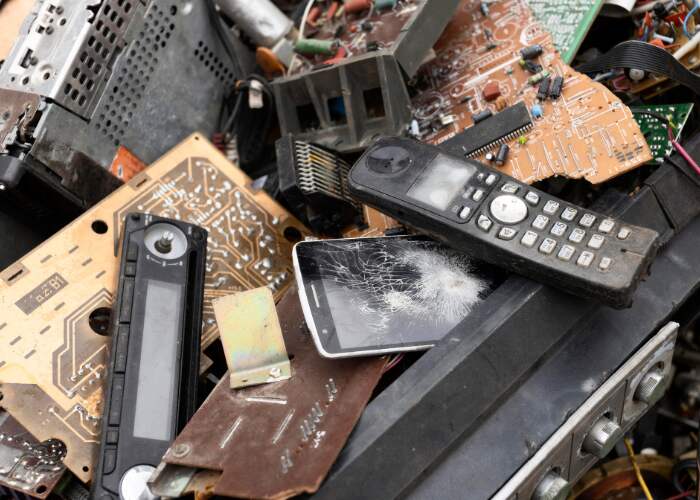
Electrical and electronic equipment that is waste. Electronic waste includes any obsolete or unwanted electronic devices, such as mobile phones, computers, and televisions. This includes items such as:
- Mobile phones and tablets
- Computers, laptops, and servers
- Televisions and monitors
- Printers and scanners
- House yet everyday items (fridges, washing machines, microwaves, etc.)
- Batteries, cables, and chargers
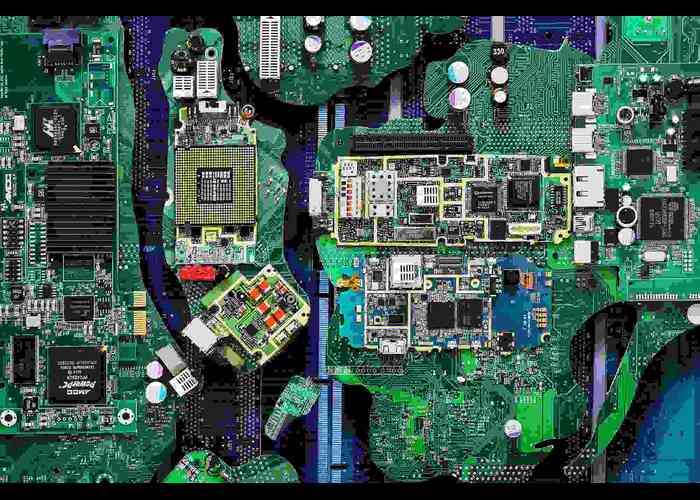
Many such products contain resources like copper, aluminium, gold and silver — as well as toxins like lead, mercury, cadmium and brominated flame retardants.
Why Is E-Waste a Growing Global Problem?
Rapid Technological Advancement
The pace of technological change is faster now than at any time in history. These days, new generations of smartphones, laptops and gizmos come out every year, leading to a continuous cycle of consumer upgrade. This leads to the fact that electronic devices are disposed of long before they have reached their actual end of life.
Short Product Lifecycles
Many electronic products are manufactured to break as well. Non-accessible, non-changeable batteries, obsolete software and software updates and limited repair options lead consumers to reject reuse or repair for replacement as a major factor causing the generation of e-waste.
Increasing Consumer Demand
With the growing digital penetration into global populations, many more people are buying devices. This expansion, which is good for communication and progress, also adds directly to the amount of e-waste annually generated.
Improper Disposal Practices
Most e-waste is disposed of in landfills, washed or handled by informal recycling sectors without appropriate safety measures. This results in environmental pollution and human health problems.
Environmental Impact of Improper E-Waste Disposal
E-waste can be extremely harmful if it is improperly disposed of.
Soil and Water Contamination
The metals and chemicals toxic to humans from e-waste can leach into the soil and contaminate water supplies when e-waste is dumped in landfill sites. It degrades farmland, water supplies and the environment.
Air Pollution
Burning e-waste to recapture its metals sends toxic fumes and particulates into the air. Such emissions can contribute to air pollution and respiratory and other health problems.
Loss of Valuable Resources
Recycling because electronics contain valuable metals likely to be recycled. Not recycling them is a missed opportunity to at least reduce mining for resources and further damage the planet.
Health Risks Associated with E-Waste
Hazardous materials in electronic waste can cause severe health problems for those exposed, particularly workers who handle e-waste with no protective equipment.
- Lead- and mercury-induced neurotoxic effects
- toxic fume inhalation causing inability to breathe on their own
- Increased risk of cancer
- Developmental issues in children
Communities near informal e-waste dumping or recycling sites are especially susceptible to such health hazards.
What Is Responsible E-Waste Recycling?
Responsible e-waste recycling is the process of safely collecting, dismantling, processing, and recovering materials from electronic waste while minimising environmental and health impacts. Certified recycling facilities follow strict guidelines to ensure:
- Safe handling of hazardous materials
- Environmentally sound disposal methods
- Recovery and reuse of valuable resources
- Data destruction and information security
By choosing responsible recycling solutions, individuals and businesses can help reduce pollution and conserve natural resources.
Benefits of Responsible E-Waste Recycling
Environmental Protection
Good recycling keeps pollutants out of the environment and limits pollution in the air, ground and water.
Resource Conservation
Just as you recycle your newspaper, bottles and cans, recycling makes it possible for valuable commodities that would otherwise become trash to be recovered and reused, which in turn reduces the environmental cost of extracting raw materials from the earth.
Energy Savings
Recycled products are far less energy-intensive to make than those from virgin resources.
Economic Growth
The e-waste recycling trade provides employment and a circular economy model for turning trash into reusable merchandise.
Data Security
Privacy – Professional recyclers guarantee that personal and business information is destroyed while still preserving the environment.
The Role of Businesses and Individuals
Both businesses and individuals play a crucial role in addressing the e-waste problem.
For Individuals
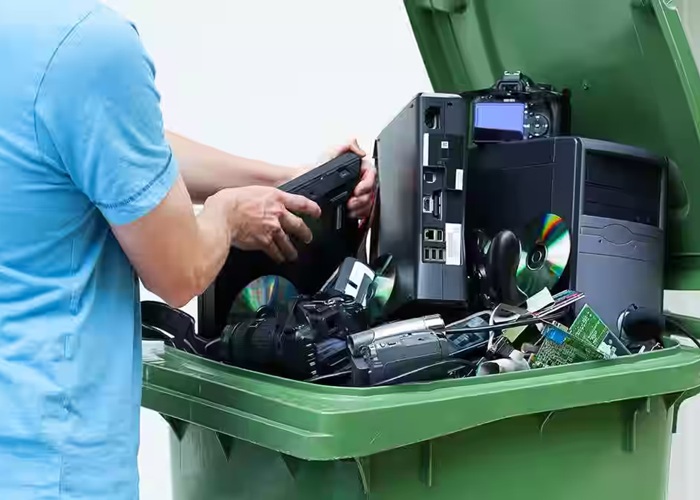
- Avoid throwing electronics in regular trash
- Repair or donate usable devices
- Choose certified e-waste recycling services
- Buy durable and repairable products
For Businesses
- Implement e-waste management policies
- Partner with responsible recycling providers
- Ensure secure data disposal
- Promote sustainability within the organisation.
By making conscious decisions, everyone can contribute to a cleaner and healthier environment.
Moving Towards a Sustainable Future
E-Waste campaigning is not just an ecological concern — it poses social and economic problems too. Ultimately, electronic waste presents itself as a growing menace to the environment. Responsible recycling is a common-sense process that preserves our environment, conserves resources and protects human health.
Responsible E-Waste Management is our sustainable style at E-Waste Recycle Hub. Through responsible recycling and raising awareness about it, we have the power to do even more as a combined force to minimise e-waste’s effect and make things more sustainable for future generations.
Frequently Asked Questions (FAQs)
Q1: What is the problem of not recycling e-waste?
Inappropriate handling of e-waste may cause environmental pollution, health hazards and loss of valuable materials. Agricultural chemicals can leach into soil, water and air.
Q2: Are all electronic items recyclable?
The small print about recycling. Most electrical items can be recycled, such as computers, mobile phones, televisions, printers and other household electronics. It’s probably best to consult with a certified recycler.
Q3: Is it safe to recycle e-waste for personal data?
Yes, reputable recyclers implement secure data destruction processes that prevent access to sensitive personal and business information.
Q4: Why is e-waste considered hazardous?
Toxic materials like lead, mercury, and cadmium are commonly found in electronic equipment and can be dangerous to human health and the environment when not disposed of properly.
Q5: What can I do to recycle e-waste ethically?
You can help by recycling electronics through a certified recycler, not throwing them away, promoting these repairable or donatable devices and general education around e-waste management.
-

EPR for E-Waste: Rules, Registration Process & Compliance Guide for Producers
March 3, 2026 -
The Growing Problem of Electronic Waste and the Need for Responsible Recycling
January 12, 2026 -
How Proper E-Waste Recycling Helps Protect the Environment and Human Health
December 16, 2025 -
E-Waste Management in India: Challenges, Solutions, and Future Scope
December 11, 2025 -
Secure Data Destruction: Protecting Your Privacy While Recycling
November 24, 2025 -
How Recycling E-Waste Management Helps Protect the Environment
November 6, 2025 -
Secure Computer Data Destruction: Everything You Need to Know
September 3, 2025 -
Top 10 Electronics You Didn’t Know You Could Recycle
August 26, 2025 -
EPR CPCB E-Waste: A Complete Guide to Responsible Electronics Recycling
August 19, 2025 -
Best IT Recycling Solutions for Businesses
August 12, 2025 -
2025 EPR Rules for E-Waste: How to Stay Compliant and Avoid Penalties
August 5, 2025 -
E-Waste Management: Solutions for Electric Waste Disposal
July 30, 2025 -
What Are The Ways To Efficiently Manage Commercial Waste For Businesses?
July 24, 2025 -
How to Fulfill Your E-Waste EPR Compliance in 2025
July 15, 2025 -
Corporate Responsibility: Implementing Sustainable E-Waste Management
May 28, 2024 -
Making Greener Choices: Exploring the Benefits of Refurbished Electronics
May 28, 2024 -
The Environmental Impact of E-Waste: Understanding the Need for Responsible Recycling
May 28, 2024 -
How to Properly Dispose of Your Old Electronics: A Step-by-Step Guide
May 27, 2024 -
E-Waste Recycling: A Step-by-Step Guide for Responsible Disposal
May 27, 2024