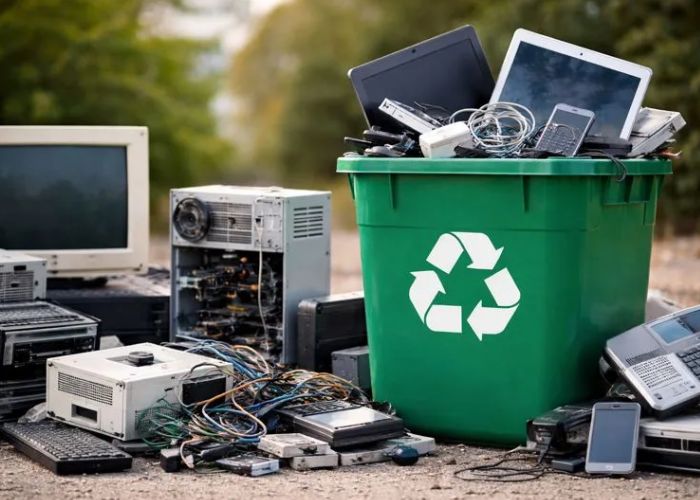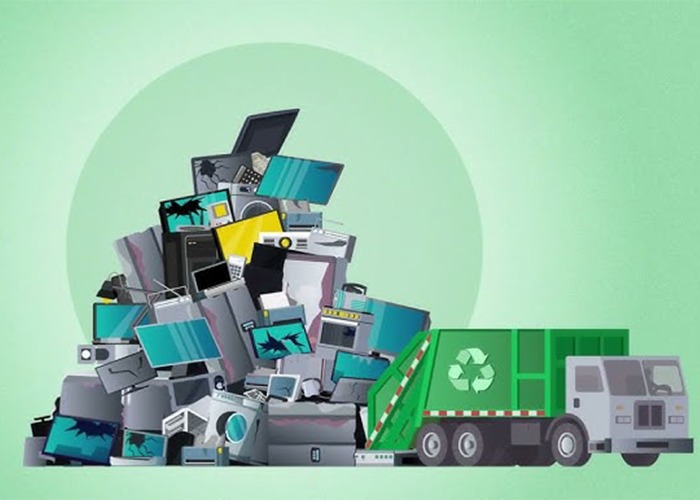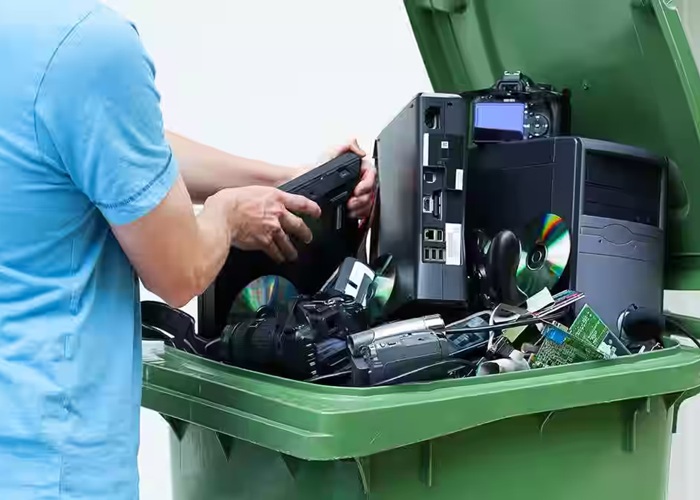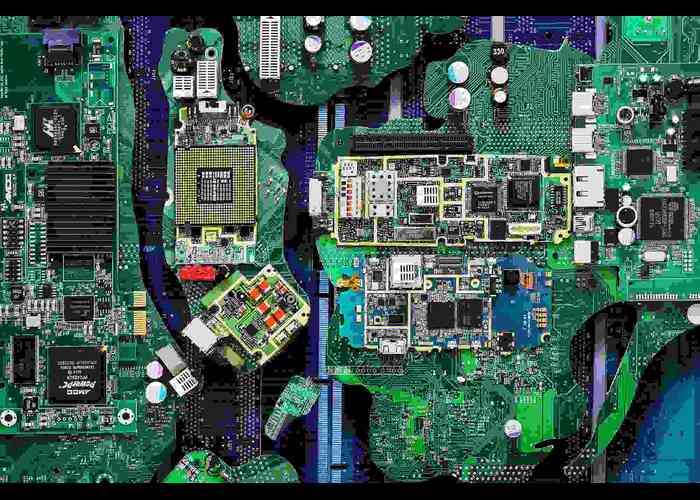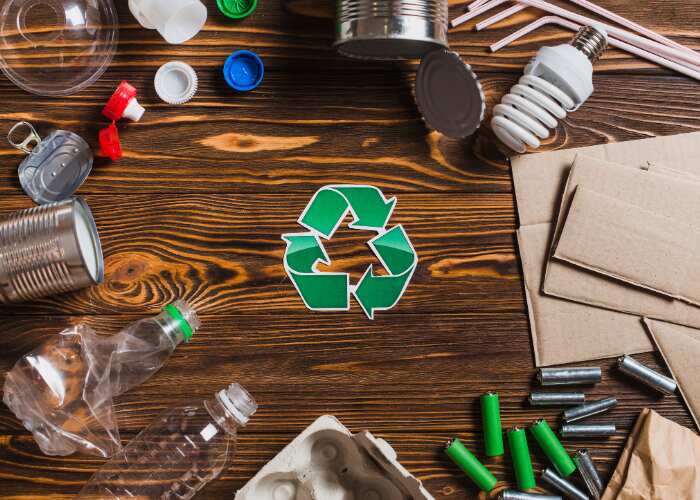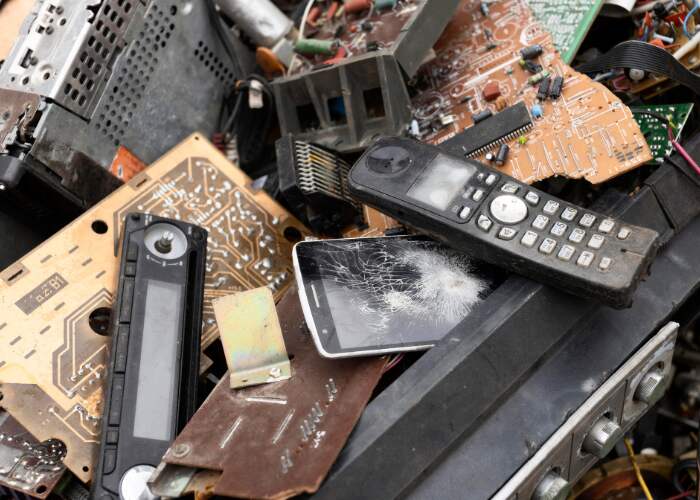

In today’s fast-paced digital world, technological upgrades come almost annually — and with them, a mountain of discarded electronics. Electronic waste (e-waste) encompasses a wide range of items, including old phones, computers, and broken appliances. Without proper dumping, these appliances can f* up the planet from toxic dumping. This is why e-waste recycling has become so crucial in preserving the environment and, with it, sustainable living.
In this post, we will look at how it is important to recycle e-waste management and how this protects our environment and can lead to saving resources for a greener future.
What E-Waste Is, and Why It’s a Problem
Electronic waste is discarded electrical or electronic equipment that is not suitable for use. They are rich in precious metals such as gold, copper, aluminum, and rare earth minerals, but also contain hazardous substances – such as lead, mercury, cadmium, and arsenic.
If e-waste is not landfilled properly, toxic chemicals seep into the soil and water, damaging ecosystems and human and animal health. E-waste mismanagement can lead to air, water, and soil pollution — and that’s why recycling it properly is so important to protect the environment.
How Recycling E-Waste Management Contributes to the Protection of the Environment
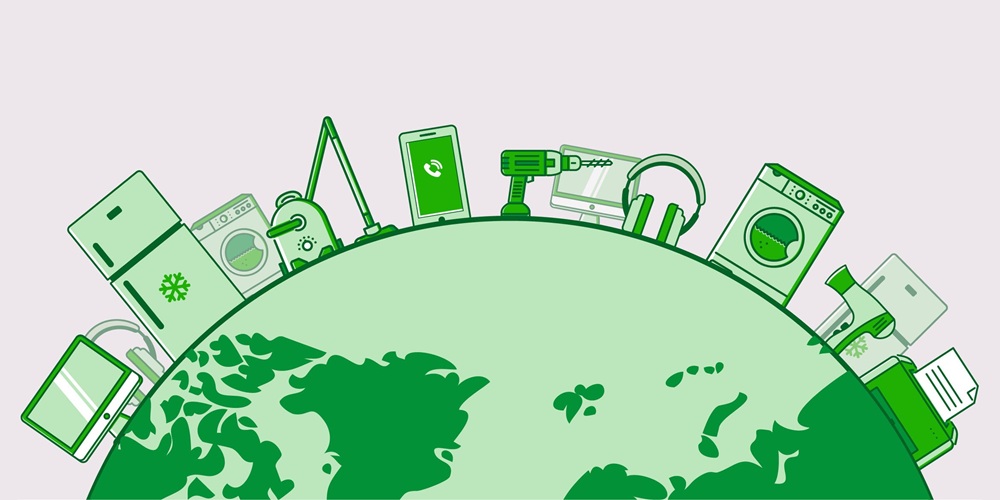
Reduces Pollution
Disposing of e-waste properly stops chemicals from polluting the earth. Responsible recycling e-waste management centers, instead of allowing electronics to be dumped in landfills or burned, safely extract and treat toxic materials. It reduces the amount of harmful gases and chemicals being released into the air, which helps to protect our air and water quality.
Conserves Natural Resources
E-waste recycling also enables recovery of precious materials, including gold, silver, coppe,r and palladium. These materials can then be recycled to produce new electronics, eliminating the necessity for mining. We can save energy and prevent the loss of natural ecosystems by upcycling resources that are already in use.
Saves Energy
It also takes much less energy to extract metals and minerals from recycled e-waste than to mine those from virgin materials. Recycling aluminum alone requires 95% less energy than mining raw ore and producing new material. This conservation of energy translates into reduced greenhouse gas emissions, which help to mitigate climate change.
Reduces Landfill Waste
In the right hands, proper e-waste is managed and recycled instead of contributing to millions of tons of electronic debris in a landfill. Electronics can take hundreds of years to decompose due to not being biodegradable. Recycling prevents them from ending up in landfills and allows reusable parts and materials to be recovered effectively.
Promotes a Circular Economy
The recycling of e-waste is in line with a circular economy, in which products are retired after their useful life and broken down into parts that can be reused to create new ones. This not only lessens waste but also incentivizes manufacturers to create products that are better suited for recycling — making the entire tech industry more sustainable in the future.
Best Practices for Recycling E-Waste
To ensure that the recycling of e-waste is both safe and productive, take these steps:
- Look up certified recyclers (try to find those that have R2 or e-Stewards certifications).
- Erase all personal data from devices before recycling.
- Donate or sell working electronic devices to give them a longer life.
- Participate in local e-waste collection drives organized by municipalities or NGOs.
- Support eco-friendly brands that provide take-back and recycling programs.
The Bigger Picture: Building a Sustainable Future
The benefits of recycling e-waste go beyond pollution control — it’s about building a sustainable future. When we opt for responsible e-waste disposal, we:
- Protect ecosystems from toxic contamination.
- Reduce carbon emissions.
- Encourage innovation in green technology.
- Generate green jobs and foster environmental responsibility.
Each small action —whether it’s recycling an old phone or investing in sustainable tech brands — can mean a cleaner and healthier home planet.
Conclusion
The recycling of e-waste has great importance for the protection of the environment. It reduces pollution, saves natural resources, and helps create a circular economy that benefits both people and the planet. If we responsibly manage our E-waste, we can make sure that today’s technology does not become tomorrow’s environmental threat.
Together, let’s transform e-waste into an opportunity for a cleaner, sustainable world.
-

EPR for E-Waste: Rules, Registration Process & Compliance Guide for Producers
March 3, 2026 -
The Growing Problem of Electronic Waste and the Need for Responsible Recycling
January 12, 2026 -
How Proper E-Waste Recycling Helps Protect the Environment and Human Health
December 16, 2025 -
E-Waste Management in India: Challenges, Solutions, and Future Scope
December 11, 2025 -
Secure Data Destruction: Protecting Your Privacy While Recycling
November 24, 2025 -
How Recycling E-Waste Management Helps Protect the Environment
November 6, 2025 -
Secure Computer Data Destruction: Everything You Need to Know
September 3, 2025 -
Top 10 Electronics You Didn’t Know You Could Recycle
August 26, 2025 -
EPR CPCB E-Waste: A Complete Guide to Responsible Electronics Recycling
August 19, 2025 -
Best IT Recycling Solutions for Businesses
August 12, 2025 -
2025 EPR Rules for E-Waste: How to Stay Compliant and Avoid Penalties
August 5, 2025 -
E-Waste Management: Solutions for Electric Waste Disposal
July 30, 2025 -
What Are The Ways To Efficiently Manage Commercial Waste For Businesses?
July 24, 2025 -
How to Fulfill Your E-Waste EPR Compliance in 2025
July 15, 2025 -
Corporate Responsibility: Implementing Sustainable E-Waste Management
May 28, 2024 -
Making Greener Choices: Exploring the Benefits of Refurbished Electronics
May 28, 2024 -
The Environmental Impact of E-Waste: Understanding the Need for Responsible Recycling
May 28, 2024 -
How to Properly Dispose of Your Old Electronics: A Step-by-Step Guide
May 27, 2024 -
E-Waste Recycling: A Step-by-Step Guide for Responsible Disposal
May 27, 2024