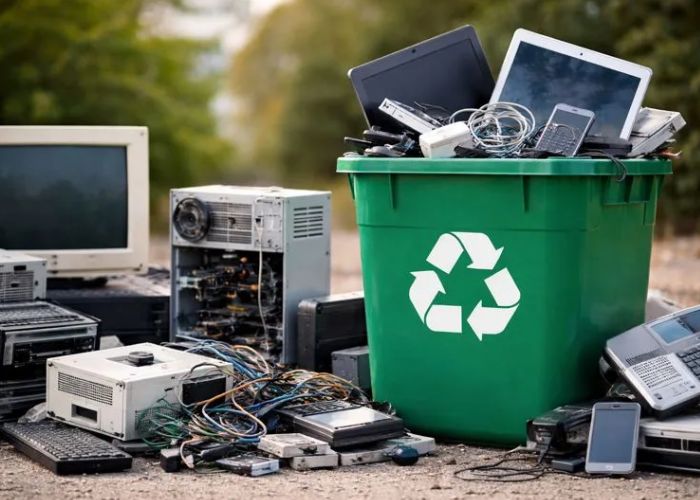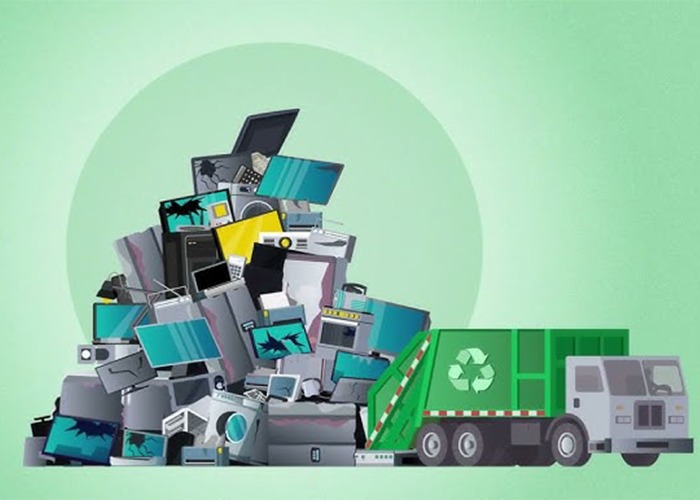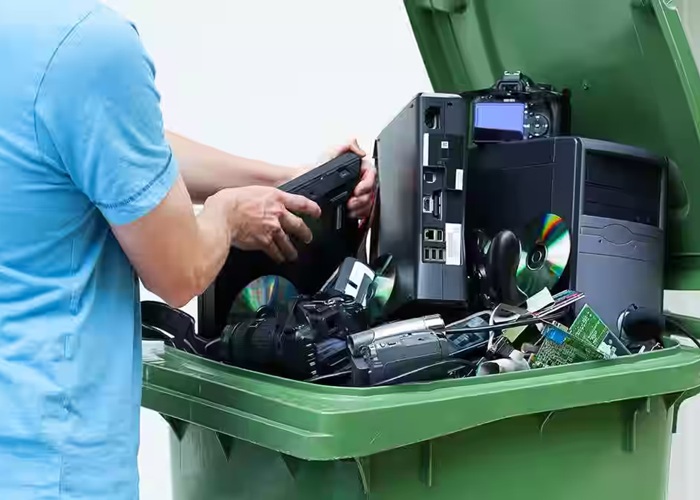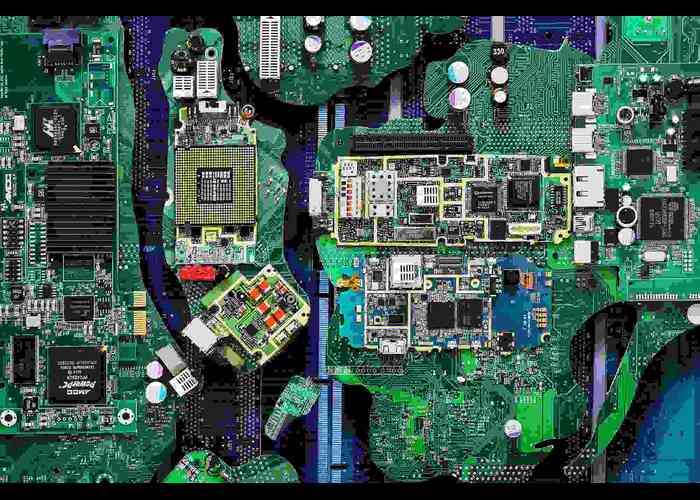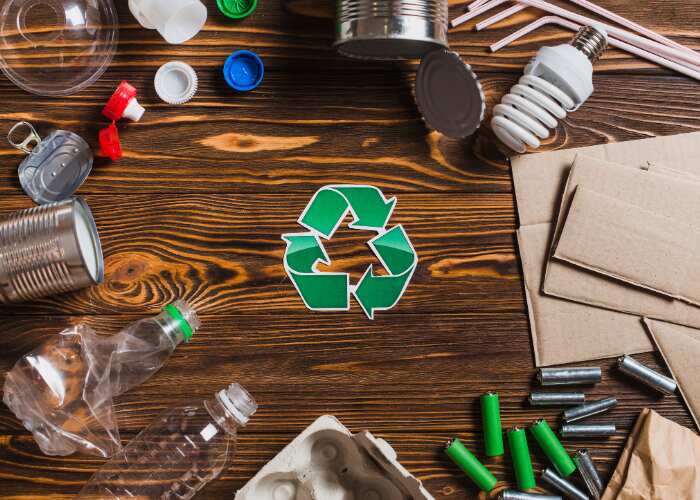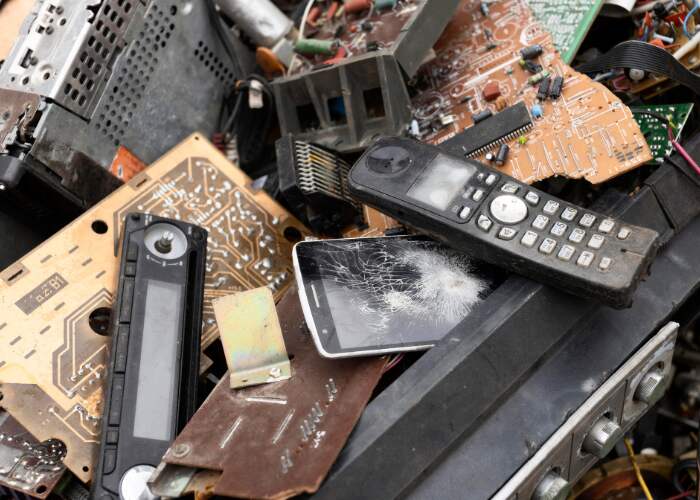

As the world of technology progresses at the speed of light, our use of electronic devices has resulted in a devastating tidal wave of electronic waste, e-waste. From smartphones and laptops to televisions and kitchen appliances, the devices we throw away every year carry major environmental and public health risks. There is no longer the choice to manage e-waste – it is a must.
This blog takes a look at the difficulties of ending e-waste and the best practices for its responsible recycling.
What Is E-Waste?
E-waste is an abbreviation of electronic waste and is the term for electronic products that have been discarded. These include:
- Computers, laptops, and tablets
- Mobile phones and accessories
- Televisions and monitors
- Refrigerators, washing machines, and microwaves
- Batteries / Power Plugs / Chargers / Add-ons and Accessories, etc.
Technology like this is often made with hazardous substances, including lead, mercury, cadmium, and flame retardants. When e-waste is dumped into the environment — in landfills or incinerators — it can leach toxins into the soil, air, and water, creating hazards for the health of people, animals, and the planet.
The Growing E-Waste Problem
World e-waste production exceeded 50 million metric tons last year, and less than 20 percent was formally recycled, the Global E-Waste Monitor found. This number increases annually and is caused by:
- Frequent device upgrades
- Shorter product life cycles
- Consumer demand for newer technologies
- Reasons such as ignorant to where to recycle or no recycling source
This development has led to making e waste management one of the most urgent environmental issues of the 21st century.
Why E-Waste Disposal Matters
There are several reasons why it is essential to dispose of e-waste properly:
- Environmental Protection: Further away from soil, water, and air pollution from poisonous and toxic substances.
- Health safety: Avoid exposure to harmful chemicals, which can cause irreversible health issues.
- Resource Recycling: E-waste has rich sources of valuable materials, including gold, silver, copper, and some rare elements, which can be used to produce new products.
- Compliance: In most countries, businesses and consumers are required by law to responsibly dispose of e-waste in authorised sources.
Solutions for Electrical Waste Disposal
Somehow, e-waste has to be managed. And it begins with each of us being responsible, with corporations willing to act and government willing to regulate. Here are some of the viable solutions to dispose of electrical and electronic waste:
1. Reduce and Reuse
Before throwing a device away, consider:
- Can it be fixed or improved on?
- Could someone else use it?
By prolonging the lives of electronics through repairs or by pass along, there is less demand for new products and less flow of e-waste.
2. Sell or Donate Old Electronics
If your device is still in working condition, see if it is possible to resell it used or donate it to a local charity, school or nonprofit. Many organizations refurbish electronics and provide them for free to people in need.
3. Use Certified E-Waste Recyclers
The best way to dispose of end-of-life electronics is to ship them to a qualified e-waste recycler. It has the technology and know-how to disassemble, separate and recycle components responsibly, with hazardous materials disposed of appropriately.
4. Partner with an E-Waste Specialist: E-Waste Recycle Hub
E-waste Recycle Hub is one of the best and most reliable e-waste recyclers in Delhi & Haryana. They provide complete electrical waste disposal solutions such as:
- Safe e-waste reclamation and transport
- Environmentally responsible dismantling and recycling
- Solutions needs to be certified in the destruction of data from IT equipment
- Recycling reports and compliance documentation
Why choose Recycle Hub?
- Government-authorized and fully compliant
- Clear transparent tracking of be placed from pick-up to processing
- Bulk buy bundles for schools, offices, and industry
- Zero to Landfill pledge
E-waste Recycle Hub helps end users and businesses recycle responsibly, preventing e-waste that could damage the environment and reusing valuable materials.
5. Organize or Participate in E-Waste Drives
Collection events or drives organised by communities are a fantastic way to collect e-waste and ensure it is disposed of in the right manner. A number of recycling companies and trash collectors hold e-waste drives during the year. In addition to being a helpful recycling practice, participating in the program has a two-fold benefit: it helps raise awareness, and it keeps hazardous waste out of landfills.
6. Educate and Advocate
Spreading awareness on the dangers of improper e-waste disposal and the positives of recycling can create a long-term effect. Initiatives such as community awareness campaigns and sustainable practices in the day-to-day operations of organizations of stakeholders, such as schools and businesses, local and private sector leaders can drive this effort.
What Happens During E-Waste Recycling?
When ewaste Is Sent to Recycle Hub A Certified Recycler: The process generally involves the following:
- Collection and Sorting – Receiving and storing of the devices by type and condition.
- Manual Sorting – Parts for reuse, hazardous parts segregated.
- Recovery or recycling of material – Metals, plastics and glass are recovered and recycled.
- Environmentally Responsible Disposal of Toxic Particles – Hazardous particles are rendered harmless or removed in full compliance with environmental law.
This organized scheme guarantees not only maximum output but also minimal environmental impacts.
Conclusion –
E-waste could be one of the most tricky waste streams, but it is also one we can control — if we take the right actions. Through consumption reduction, electronic reuse, as well as partnering with licensed recyclers like Recycle Hub, we can significantly minimize the effect of electronic waste on our planet.
So the next time you upgrade a device, don’t just stick the old one in a drawer or trash bin. Take the responsible route. Choose to recycle. Choose to protect the future.
-

EPR for E-Waste: Rules, Registration Process & Compliance Guide for Producers
March 3, 2026 -
The Growing Problem of Electronic Waste and the Need for Responsible Recycling
January 12, 2026 -
How Proper E-Waste Recycling Helps Protect the Environment and Human Health
December 16, 2025 -
E-Waste Management in India: Challenges, Solutions, and Future Scope
December 11, 2025 -
Secure Data Destruction: Protecting Your Privacy While Recycling
November 24, 2025 -
How Recycling E-Waste Management Helps Protect the Environment
November 6, 2025 -
Secure Computer Data Destruction: Everything You Need to Know
September 3, 2025 -
Top 10 Electronics You Didn’t Know You Could Recycle
August 26, 2025 -
EPR CPCB E-Waste: A Complete Guide to Responsible Electronics Recycling
August 19, 2025 -
Best IT Recycling Solutions for Businesses
August 12, 2025 -
2025 EPR Rules for E-Waste: How to Stay Compliant and Avoid Penalties
August 5, 2025 -
E-Waste Management: Solutions for Electric Waste Disposal
July 30, 2025 -
What Are The Ways To Efficiently Manage Commercial Waste For Businesses?
July 24, 2025 -
How to Fulfill Your E-Waste EPR Compliance in 2025
July 15, 2025 -
Corporate Responsibility: Implementing Sustainable E-Waste Management
May 28, 2024 -
Making Greener Choices: Exploring the Benefits of Refurbished Electronics
May 28, 2024 -
The Environmental Impact of E-Waste: Understanding the Need for Responsible Recycling
May 28, 2024 -
How to Properly Dispose of Your Old Electronics: A Step-by-Step Guide
May 27, 2024 -
E-Waste Recycling: A Step-by-Step Guide for Responsible Disposal
May 27, 2024