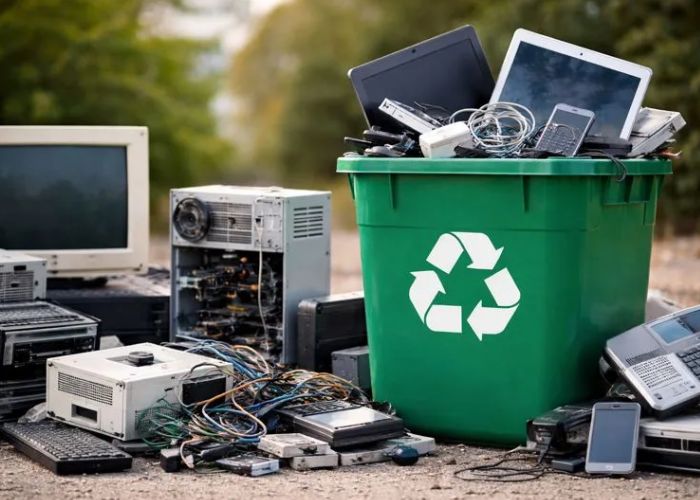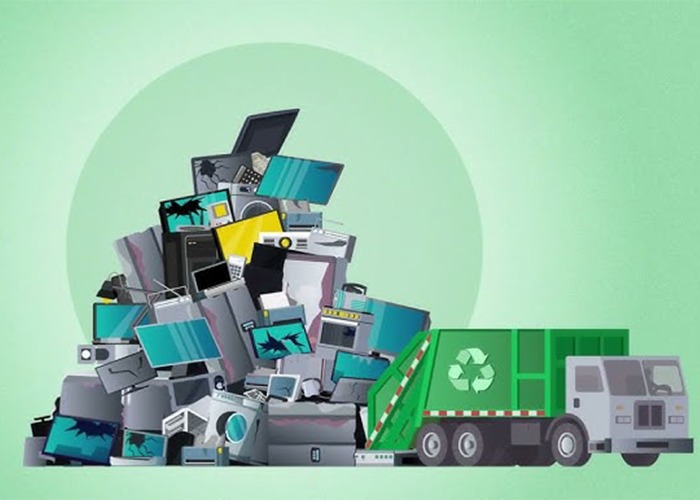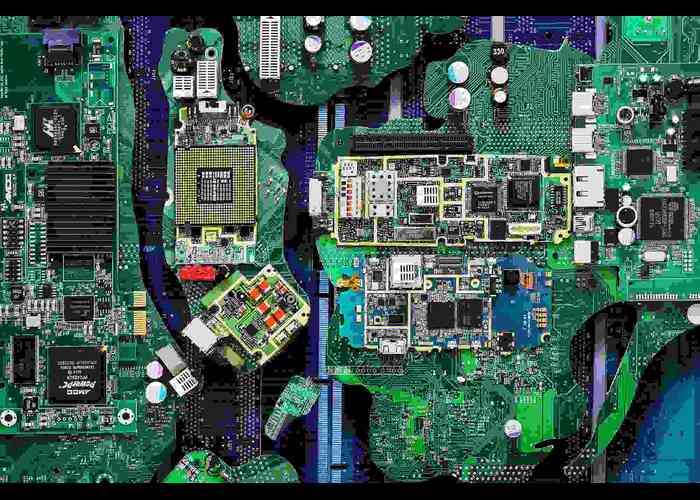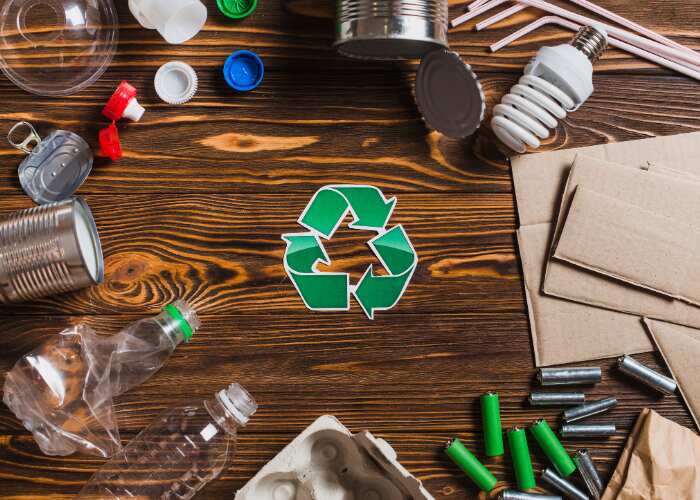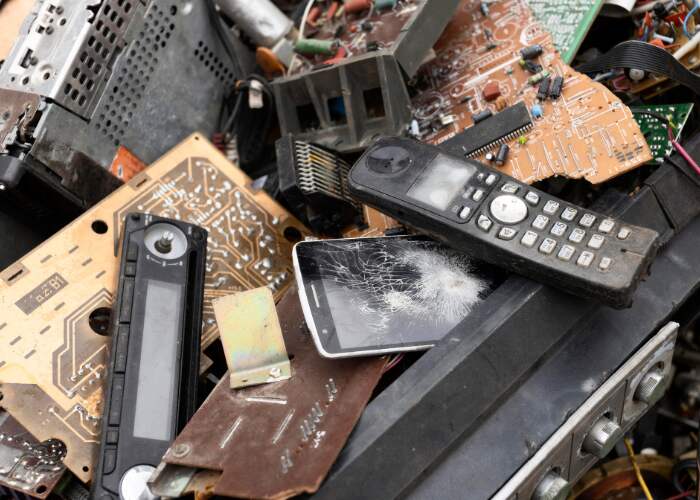

India is one of the fastest-growing consumers of electronic products in the world. With rapid technological advancement, frequent upgrades, and increasing affordability of electronic devices, the country is also witnessing a massive rise in electronic waste, commonly known as e-waste. E-waste includes discarded electronic items such as computers, laptops, mobile phones, televisions, printers, batteries, and other electrical equipment.
Proper e-waste management in India has become a critical environmental and public health concern. Without safe recycling and disposal practices, electronic waste can cause severe damage to the environment and human health. This blog explores the current challenges, effective solutions, and future scope of e-waste management in India.
What Is E-Waste?
E-waste is defined as electrical and electronic products that are at the end of their life. They include precious metals such as copper, gold, silver and aluminum but also potentially hazardous substances like lead, mercury, cadmium and brominated flame retardants.
If not managed appropriately, these harmful ingredients can contaminate air, water and soil systems with potentially severe consequences for the environment and human health.
Current Status of E-Waste Management in India
India is one of the largest e-waste producers in the world. This growth owes mainly to the growing uptake of smartphones, IT equipment and household appliances. While the Indian government has formulated laws and rules related to e-waste management, a significant part of the electronic waste finds its place in the informal recycling sector.
While the level of awareness is getting better, there still exists a rift between e-waste production and effective recycling.
Key Challenges of E-Waste Management in India
1. Lack of Awareness
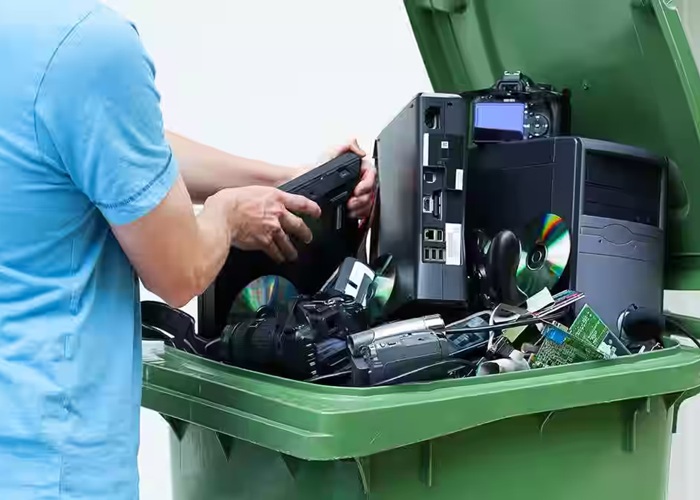
There are many people and companies out there who don’t realize the negative effects of poor waste disposal. Electronics regularly end up in the trash, rather than being taken to facilities where they can be properly recycled.
2. Dominance of the Informal Sector
A large share of e-waste in India is managed by the informal sector, practising environmentally degrading activities such as open burning and acid leaching. These practices put workers and communities at risk from toxic substances.
3. Poor Collection and Segregation Systems
Electronic waste is still gathered very inefficiently. There are no special collection points for most cities, which makes it inconvenient for the consumer to properly discard e-waste.
4. Limited Authorised Recycling Infrastructure
Although the demand increases, the approved e-waste treatment plants are few in number compared with waste produced.
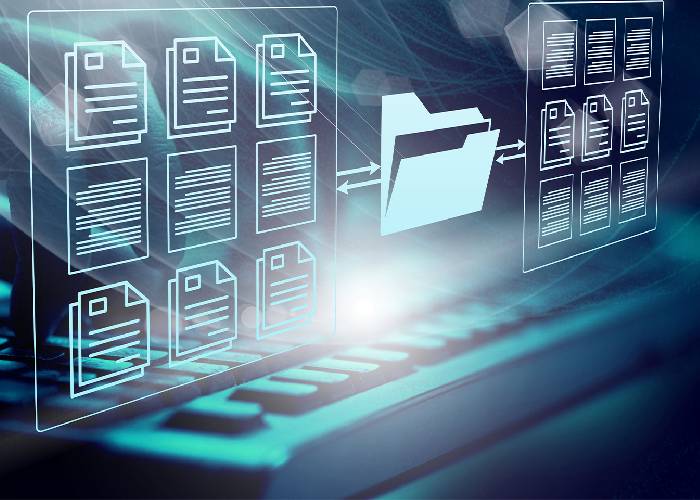
5. Data Security Concerns
For companies, failing to dispose of e-waste properly can result in data breaches. When sensitive data isn’t securely destroyed, organisations are less likely to recycle old IT equipment.
Solutions for Effective E-Waste Management in India
1. Strengthening Awareness Programs
Public education programmes that sensitise people and the industry to the benefits of e-waste recycling, as well as the hazardous impact of unsafe disposal, can be very effective.
2. Role of Authorised E-Waste Recyclers
Certified e-waste recycling companies such as E-Waste Recycle Hub are instrumental in safely and legally disposing of electronic waste in a manner that is eco-friendly and adheres to government regulations.
3. Extended Producer Responsibility (EPR)
EPR legislations impose the duty on producers to manage their products from a collection and recycling point of view. This inspires sustainable design of products and responsible recycling.
4. Improved Collection Mechanisms
Accessible drop-off locations, door-to-door collection options and company e-waste pickup programs would go a long way in terms of increasing the recycling rate.
5. Secure Data Destruction
Secure data wiping and destruction. Professional recyclers offer guaranteed, secure wiping or destruction of data, providing confidentiality for businesses and individuals.
E-Waste Management Rules in India
The Government of India has enacted E-Waste Management Rules to control the disposal and recycling of e-waste. These rules focus on:
- Environmentally sound recycling
- Authorization of recycling facilities
- Producer responsibility
- Reduction of hazardous substances
The producers, bulk consumer and recycler have to comply with these regulations.
Role of Businesses in E-Waste Management
Businesses also end up with a great deal of e-waste from outdated computers, servers, networking equipment, and office machines. Businesses can contribute by:
- Partnering with authorized recyclers
- Maintaining proper e-waste records
- Ensuring legal compliance
- Promoting sustainable IT asset management
Safe e-waste disposal is not only for the environment, but it also boosts corporate social responsibility (CSR).
Future Scope of E-Waste Management in India
The promising future of e-waste management in India:
- Increasing environmental awareness
- Stronger government regulations
- Growth of formal recycling infrastructure
- Growing need for environmentally-friendly business performs
Advancements in recycling technologies, urban mining, and circular economy concepts will also bolster the industry. India has the potential to end this cycle and make e-waste an opportunity instead of a curse by extracting precious metals and creating jobs.
Why Choose a Professional E-Waste Recycling Partner?
Working with a reputable, compliant recycler means:
- Environmentally safe recycling
- Compliance with legal regulations
- Secure data destruction
- Ethical disposal practices
- Contribution to a greener future
We recycle eWaste and do it in an eco-friendly manner by making sure that all materials go through environmentally friendly recycling. We offer environmentally friendly home, office, and corporate e-waste disposal as well as refurbished IT items.
Conclusion
E-waste management in India is an emerging environmental issue that must be addressed through consumer awareness and relevant policies. India can reduce the environmental impact of e-waste and adopt sustainable practices through the right recycling practices and cooperating with authorised recyclers.
Sustainable e-waste recycling is not a choice – it’s an obligation to ensure our planet and future generations are safe.
-

EPR for E-Waste: Rules, Registration Process & Compliance Guide for Producers
March 3, 2026 -
The Growing Problem of Electronic Waste and the Need for Responsible Recycling
January 12, 2026 -
How Proper E-Waste Recycling Helps Protect the Environment and Human Health
December 16, 2025 -
E-Waste Management in India: Challenges, Solutions, and Future Scope
December 11, 2025 -
Secure Data Destruction: Protecting Your Privacy While Recycling
November 24, 2025 -
How Recycling E-Waste Management Helps Protect the Environment
November 6, 2025 -
Secure Computer Data Destruction: Everything You Need to Know
September 3, 2025 -
Top 10 Electronics You Didn’t Know You Could Recycle
August 26, 2025 -
EPR CPCB E-Waste: A Complete Guide to Responsible Electronics Recycling
August 19, 2025 -
Best IT Recycling Solutions for Businesses
August 12, 2025 -
2025 EPR Rules for E-Waste: How to Stay Compliant and Avoid Penalties
August 5, 2025 -
E-Waste Management: Solutions for Electric Waste Disposal
July 30, 2025 -
What Are The Ways To Efficiently Manage Commercial Waste For Businesses?
July 24, 2025 -
How to Fulfill Your E-Waste EPR Compliance in 2025
July 15, 2025 -
Corporate Responsibility: Implementing Sustainable E-Waste Management
May 28, 2024 -
Making Greener Choices: Exploring the Benefits of Refurbished Electronics
May 28, 2024 -
The Environmental Impact of E-Waste: Understanding the Need for Responsible Recycling
May 28, 2024 -
How to Properly Dispose of Your Old Electronics: A Step-by-Step Guide
May 27, 2024 -
E-Waste Recycling: A Step-by-Step Guide for Responsible Disposal
May 27, 2024