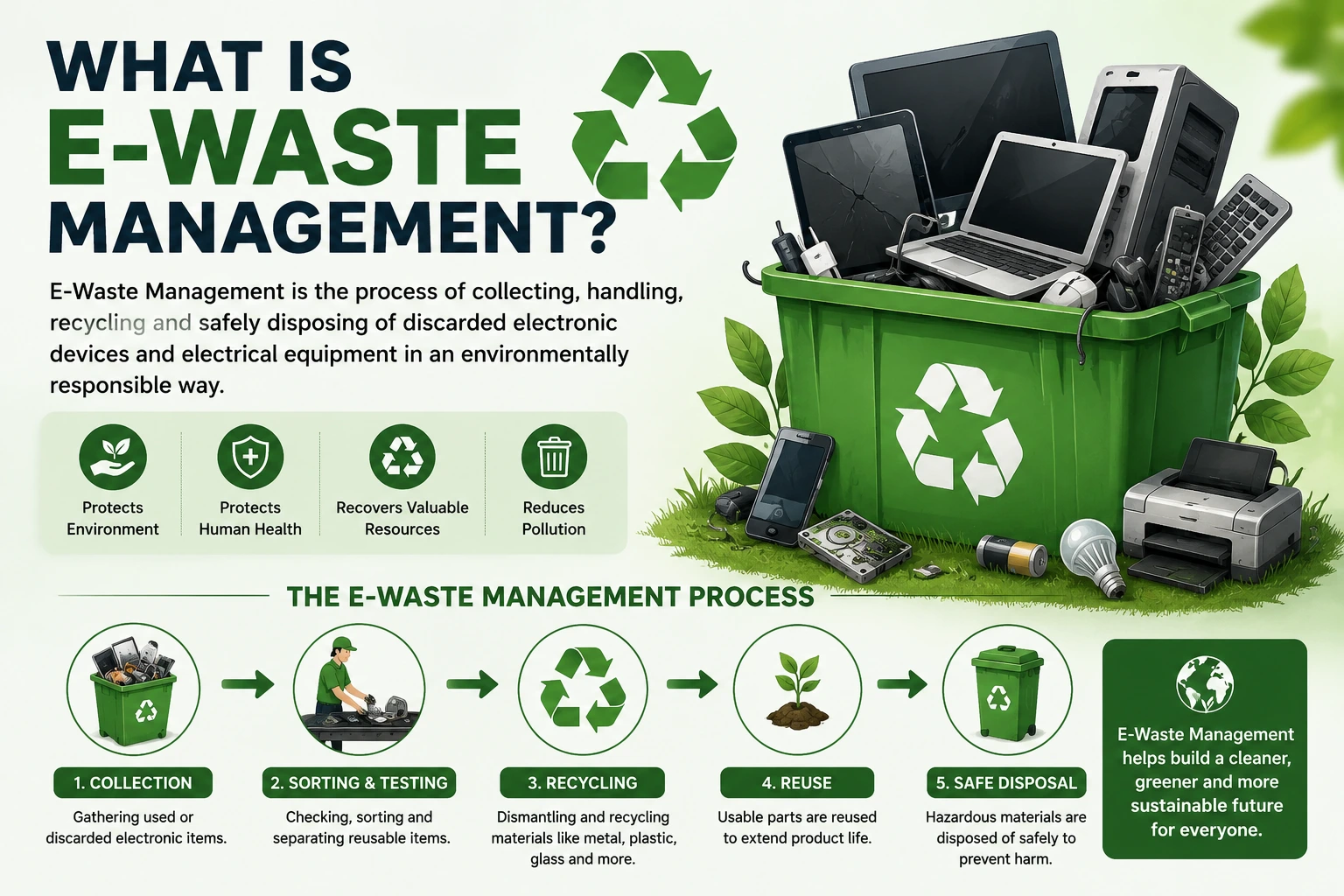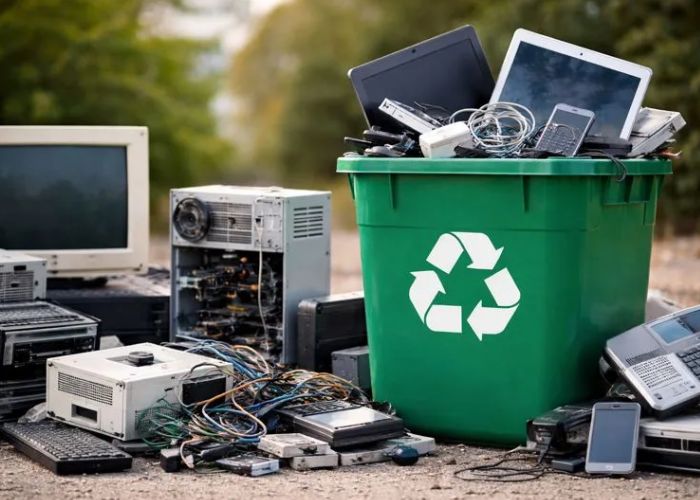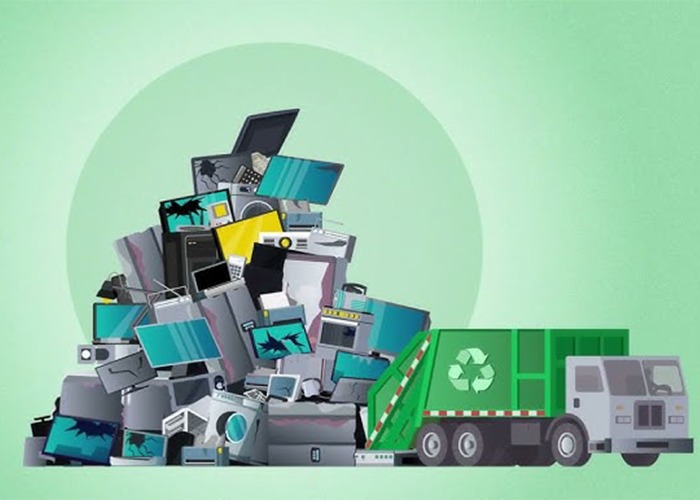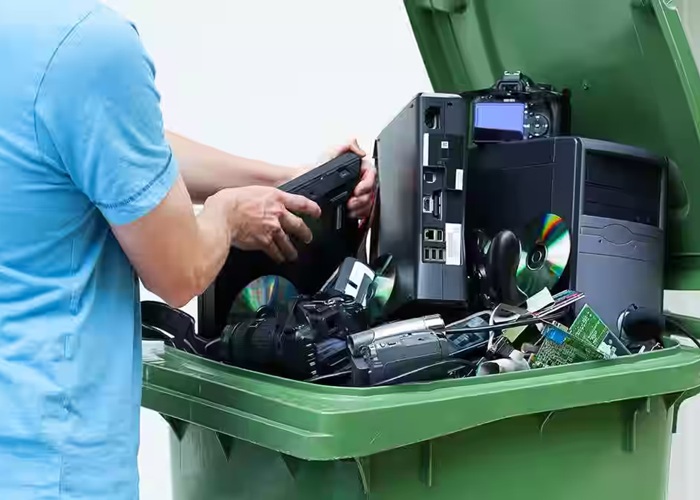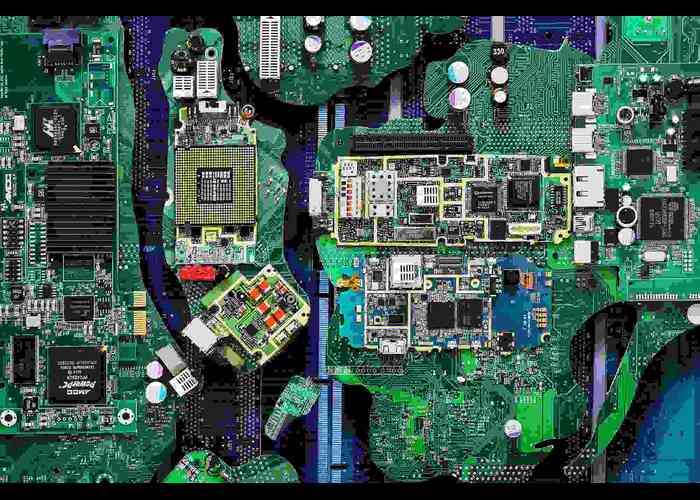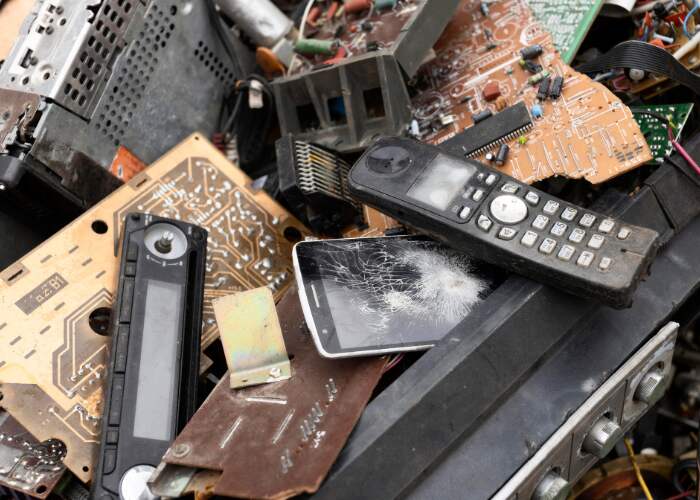

In today’s digital age, technology evolves faster than ever. Every year, millions of smartphones, laptops, and electronic gadgets become outdated, leading to one of the fastest-growing waste streams in the world—electronic waste (e-waste). Improper disposal of e-waste not only harms the environment but also poses serious health risks due to toxic materials like lead, mercury, and cadmium.
To tackle this problem, India has implemented strict e-waste management rules under the Central Pollution Control Board (CPCB) with a strong focus on Extended Producer Responsibility (EPR). These regulations are designed to make producers, manufacturers, and consumers accountable for the entire lifecycle of electronic products.
This blog is designed to provide valuable insights into EPR CPCB E Waste Compliance, and in the process, discuss why it matters and how you can actually make a difference through responsible recycling.
What Does EPR Stand for in E-Waste Management?
Extended Producer Responsibility (EPR) is a regulatory model that requires producers to take back and recycle products that are sold when they become waste.
As per the EPR rules laid down by the CPCB, a manufacturer is required to:
- Back collects consumers’ used and unwanted electronic items.
- Guarantee correct recycling through an authorised recycling facility.
- Maintain compliance reports with CPCB.
This is to ensure that e-waste is responsibly handled and does not end up in landfills or informal scrap markets.
Functions of CPCB in E-Waste Control
The CPCB is instrumental in the implementation of e-waste management in India. Its responsibilities include:
- EPR Authorisations—CPCB needs to approve companies to handle e-waste collection and recycling operations in a legally compliant manner.
- Enforcement—It is the speedy and effective enforcement of these rules that we are particularly looking for, as we need to see producers and recyclers complying with the correct requirements.
- Safe Recycling—Promoting eco-friendly methods to recover precious metals, such as gold, silver and copper.
- Education—Informing consumers and companies about the significance of responsible e-waste recycling.
Why EPR, CPCB E-Waste Rules Matter
Compliance is just one reason these rules matter—they’re also about what’s sustainable for generations to come.
- Environmental Protection: The Haze characteristic prevents the soil and water from being polluted by paint and coatings hazardous material.
- Resource Recouperation: You can actually recoup whatever precious metals (such as gold, palladium and copper) are embedded in these devices.
-
Circular Economy: Encourages reuse, repair, and recycling instead of a throwaway culture.
- Corporate Responsibility: Companies that are seen as being environmentally friendly become companies that can be trusted.
E-Waste Compliance with EPR CPCB
If you’re the producer, owner of a brand, or importer of electrical and electronic equipment, this is how it typically works:
- Make an Application for EPR Authorisation at CPCB.
- Organise a Collection Plan—through approved collection points or otherwise.
- Collaborate with Authorised Recyclers for safe treatment of collected e-waste.
- Records and Reports—Updated records and a compliance report would be submitted to CPCB on an annual basis.
- Public Awareness Programmes—educate the public about how they can recycle old electronics.
How Organisations & Individuals Can Help
For Businesses:
- Partner with certified e-waste recyclers.
- Conduct take-back campaigns.
- Teach staff about responsible e-waste disposal.
For Individuals:
- Don’t throw electronics in the regular trash.
- Use e-waste drop-off points or send old devices back to brands.
- Opt for refurbished or recycled when you can.
The Future of E-Waste Recycling in India
As technology becomes more integrated with life, e-waste is only expected to increase. But India is moving with strong steps with EPR CPCB guidelines, making both companies and individuals responsible for a cleaner, greener tomorrow.
All of us take steps in responsible recycling and establishing EPR compliance, and we are saving our planet and growing a sustainable economy for all of us.
FAQs
Q1. What are the EPR permissions for e-waste?
EPR authorisation is a consent granted by CPCB; it gives a few guidelines, which are to be strictly followed by producers to lawfully collect, recycle their e-wastes, and manage it.
Q2. Who needs EPR authorisation?
Producers, importers, & Brand owners of Electrical and Electronic equipment in India shall take EPR authorisation.
Q3. What happens when a company doesn’t adhere to CPCB e-waste rules?
Those who do not comply may face substantial fines, the revocation of permits and legal harassment under the Environment Protection Act.
Q4. Is there a possibility of people participating in the EPR CPCB e-waste recycling programme?
Yes! Consumers can drop off old gadgets at brand collection centres, authorized recyclers, or in e-waste bins instead of trashing them.
Q5. What are the advantages of recycling e-waste the right way?
Recycling helps lessen pollution, save valuable resources, reduce health hazards, and sustain the planet into the future.
Conclusion
EPR CPCB e-waste guidelines are more than just rules—they are the way to the path of consuming responsibly and living sustainably. And whether you are a business or individual, contributing to the right e-waste recycling can protect our environment as well as make sure that valuable resources are recycled rather than poured into our landfills.
Our mission: At E-Waste Recycle Hub, we strive to provide a convenient and effective means for everyone to recycle electronic waste. With your help, today’s e-waste can be tomorrow’s resource for sustainability.
-

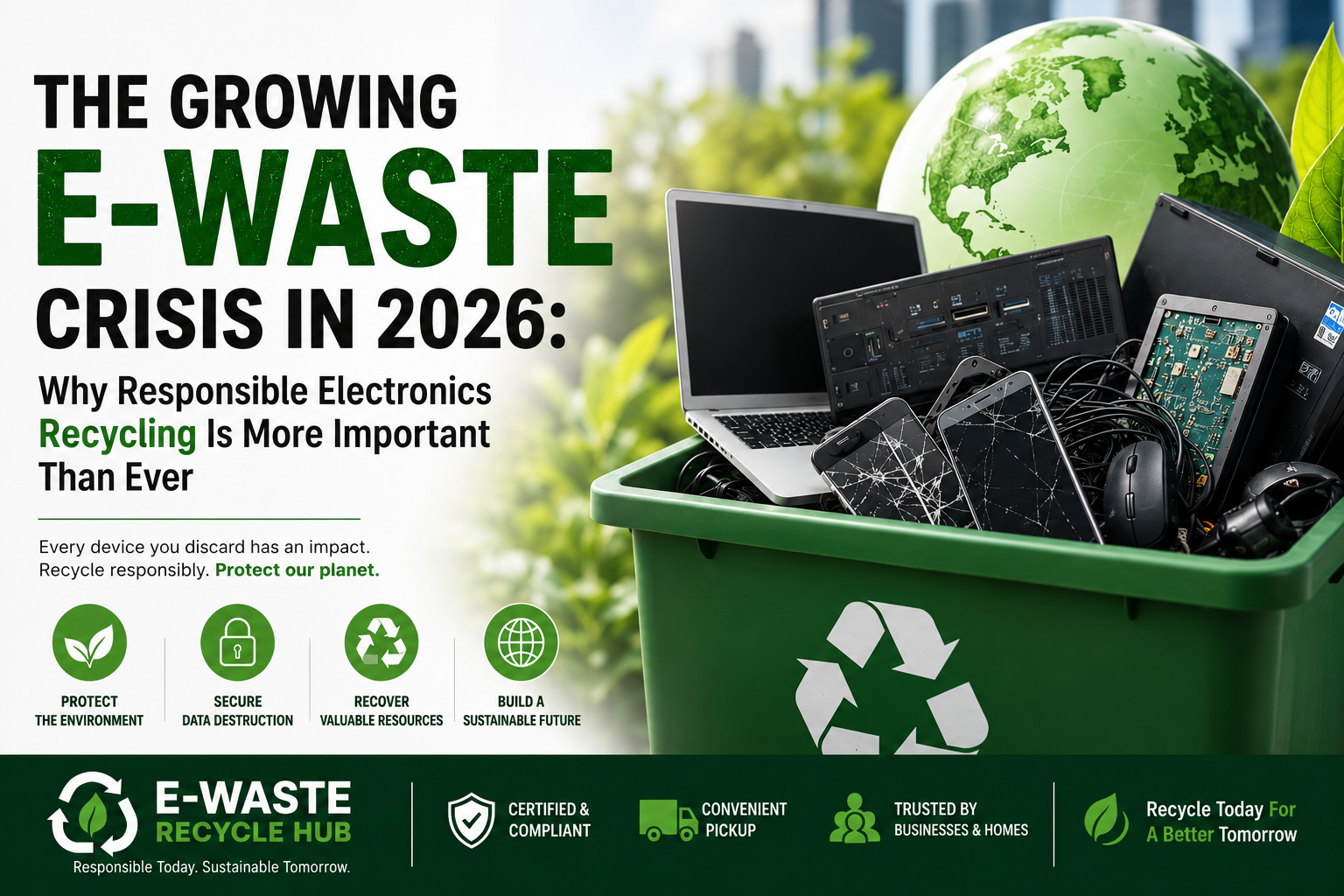
The Growing E-Waste Crisis in 2026: Why Responsible Electronics Recycling Is More Important Than Ever
August 3, 2026 -
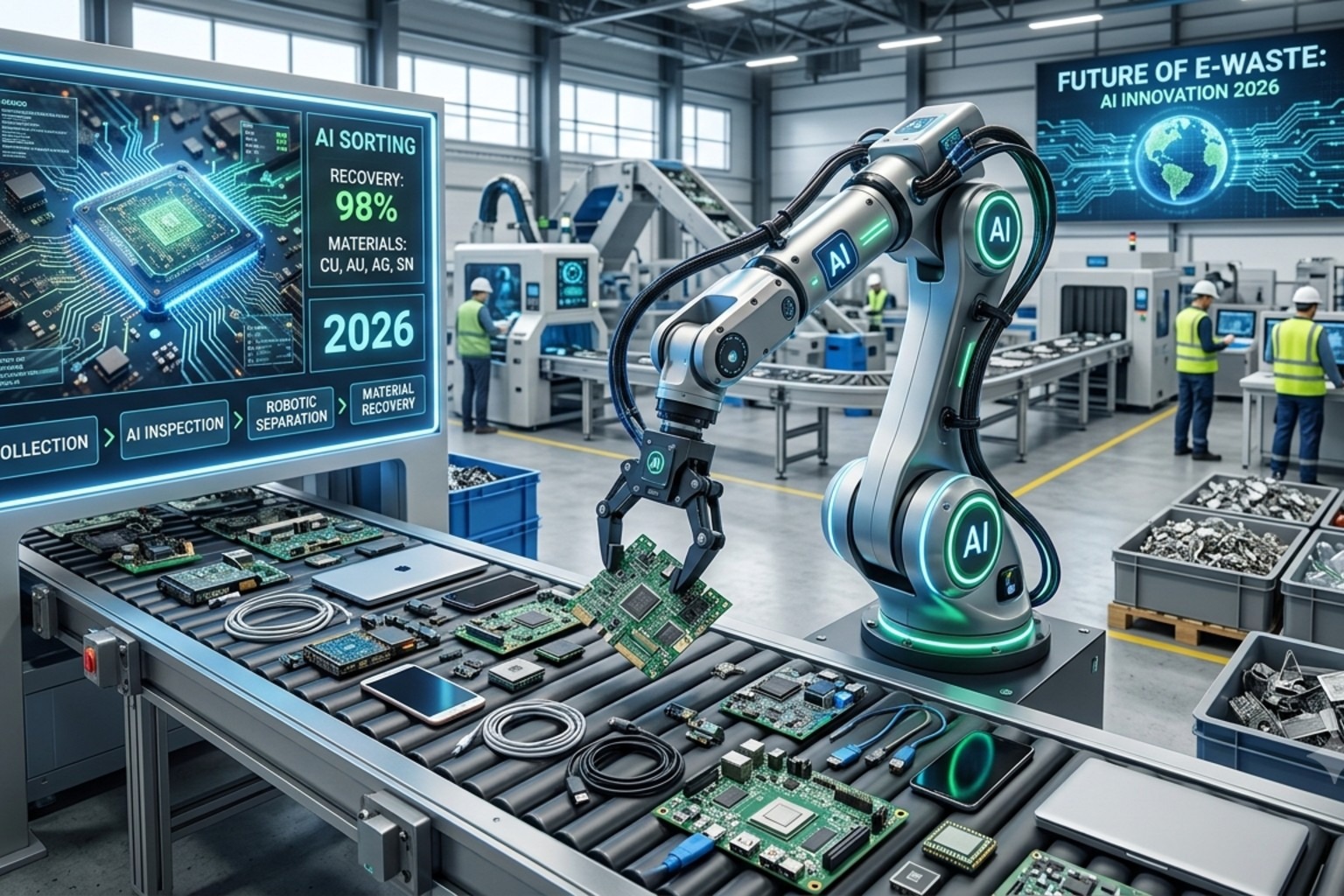
AI-Powered E-Waste Recycling in 2026: How Smart Technology is Revolutionizing Electronic Waste Management
July 7, 2026 -
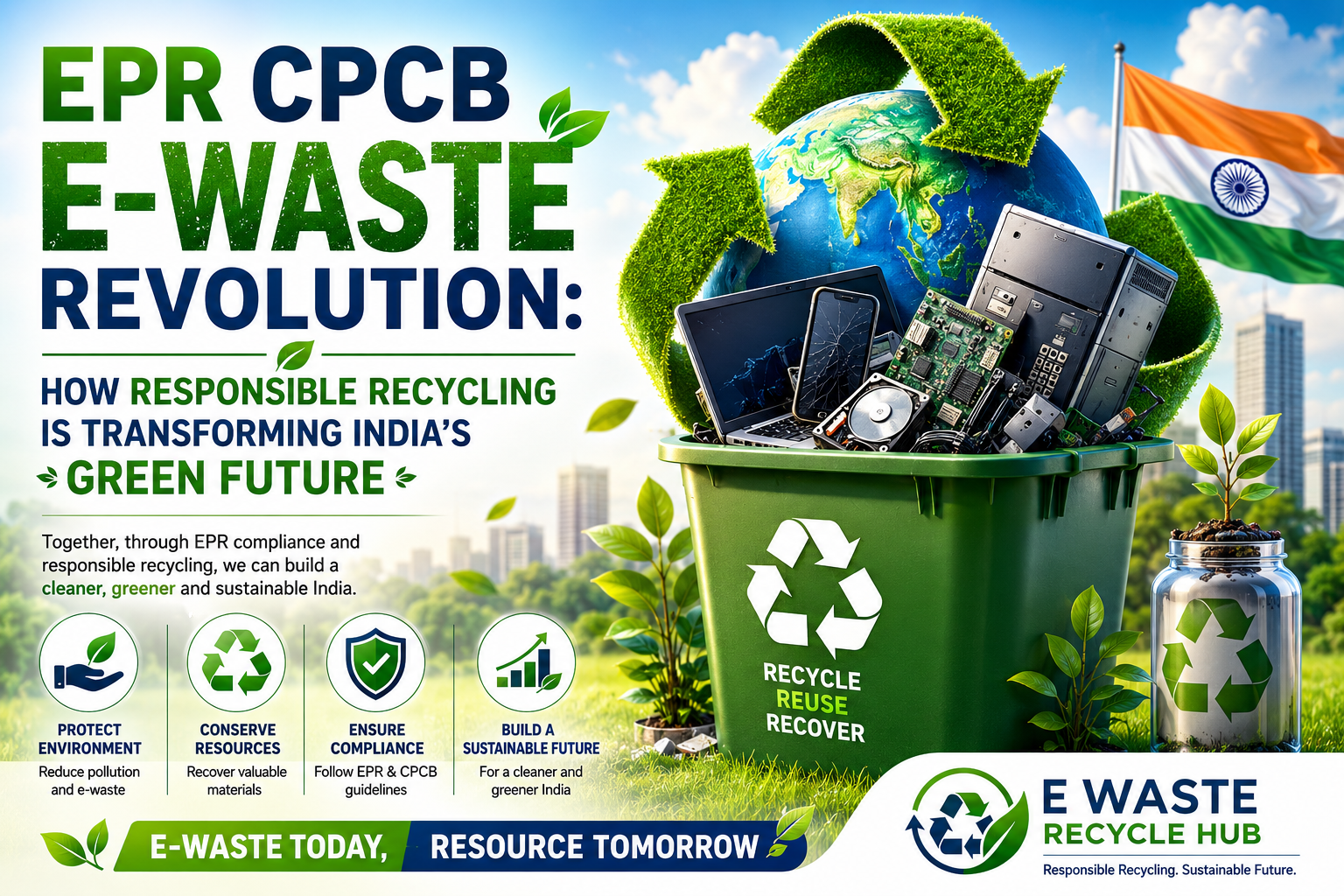
EPR CPCB E-Waste Revolution: How Responsible Recycling is Transforming India’s Green Future
June 15, 2026 -
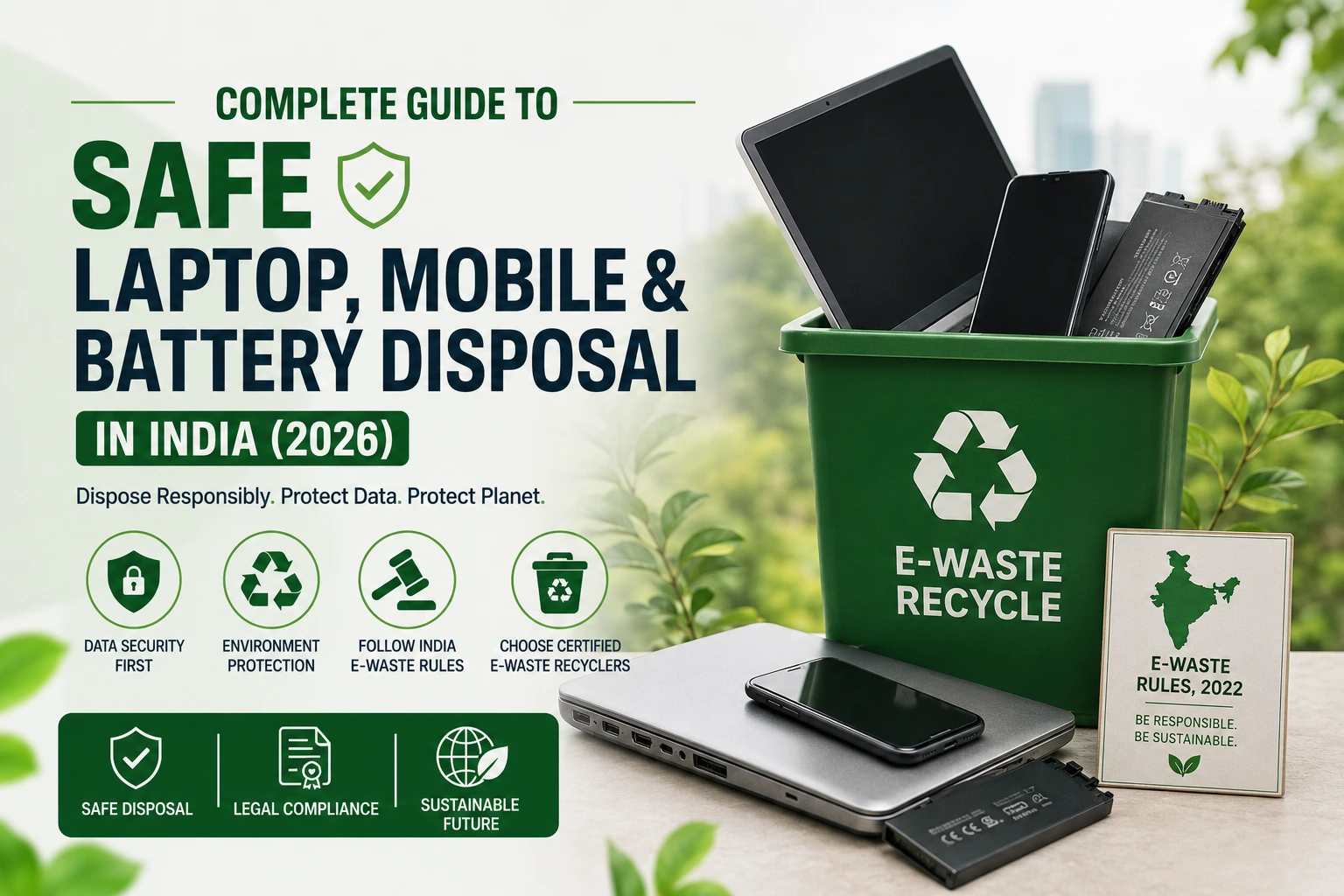
Complete Guide to Safe Laptop, Mobile & Battery Disposal in India (2026)
June 3, 2026 -
What is E-Waste Management and Why is It Important?
May 6, 2026 -
EPR for E-Waste: Rules, Registration Process & Compliance Guide for Producers
March 3, 2026 -
The Growing Problem of Electronic Waste and the Need for Responsible Recycling
January 12, 2026 -
How Proper E-Waste Recycling Helps Protect the Environment and Human Health
December 16, 2025 -
E-Waste Management in India: Challenges, Solutions, and Future Scope
December 11, 2025 -
Secure Data Destruction: Protecting Your Privacy While Recycling
November 24, 2025 -
How Recycling E-Waste Management Helps Protect the Environment
November 6, 2025 -
Secure Computer Data Destruction: Everything You Need to Know
September 3, 2025 -
Top 10 Electronics You Didn’t Know You Could Recycle
August 26, 2025 -
EPR CPCB E-Waste: A Complete Guide to Responsible Electronics Recycling
August 19, 2025 -
Best IT Recycling Solutions for Businesses
August 12, 2025 -
2025 EPR Rules for E-Waste: How to Stay Compliant and Avoid Penalties
August 5, 2025 -
E-Waste Management: Solutions for Electric Waste Disposal
July 30, 2025 -
What Are The Ways To Efficiently Manage Commercial Waste For Businesses?
July 24, 2025 -
How to Fulfill Your E-Waste EPR Compliance in 2025
July 15, 2025 -
Corporate Responsibility: Implementing Sustainable E-Waste Management
May 28, 2024 -
Making Greener Choices: Exploring the Benefits of Refurbished Electronics
May 28, 2024 -
The Environmental Impact of E-Waste: Understanding the Need for Responsible Recycling
May 28, 2024 -
How to Properly Dispose of Your Old Electronics: A Step-by-Step Guide
May 27, 2024 -
E-Waste Recycling: A Step-by-Step Guide for Responsible Disposal
May 27, 2024